


Solutions
For Exporters & Importers

For Freight Forwarders and Logistics Service Providers
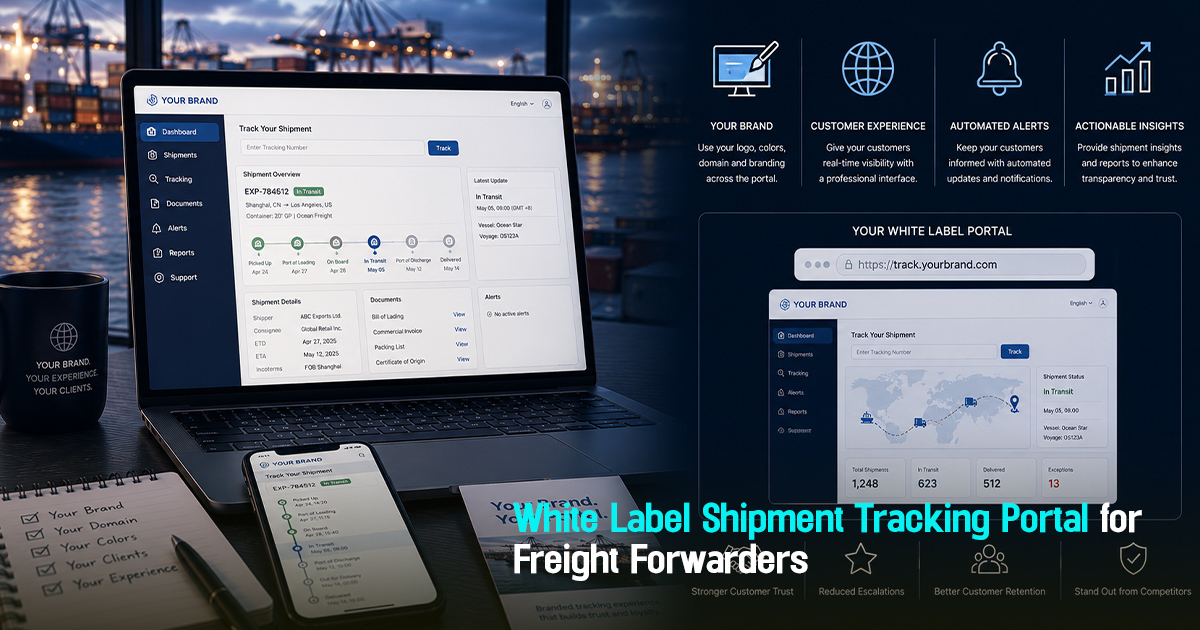
White Label Shipment Tracking Portal: Enhancing Freight Forwarder Visibility and Control


7 Minutes
A white label shipment tracking portal is a **customizable digital platform** that freight forwarders use to provide branded, real-time visibility of shipments to their customers. Operationally, it addresses a critical problem: how to centralize shipment status tracking while maintaining control over customer communication and brand experience. Many freight forwarding teams struggle with manual updates, multiple carrier portals, or generic third-party tracking links, leading to poor visibility and customer frustration. This article offers practical workflows, checklists, and role-based guidance on leveraging a white label shipment tracking portal to improve shipment visibility, operational control, and customer trust.
What Is a White Label Shipment Tracking Portal?
Definition: A white label shipment tracking portal is a freight tracking software that freight forwarders can brand as their own and customize to offer clients accurate, real-time shipment updates in one centralized location, avoiding dependence on multiple carrier systems or generic third-party tools.
This platform integrates carrier data, shipment milestones, and ETA/ETD monitoring, giving operations teams structured shipment visibility and enabling proactive exception handling. It replaces fragmented tracking workflows with one centralized portal, improving clarity for both internal teams and customers.
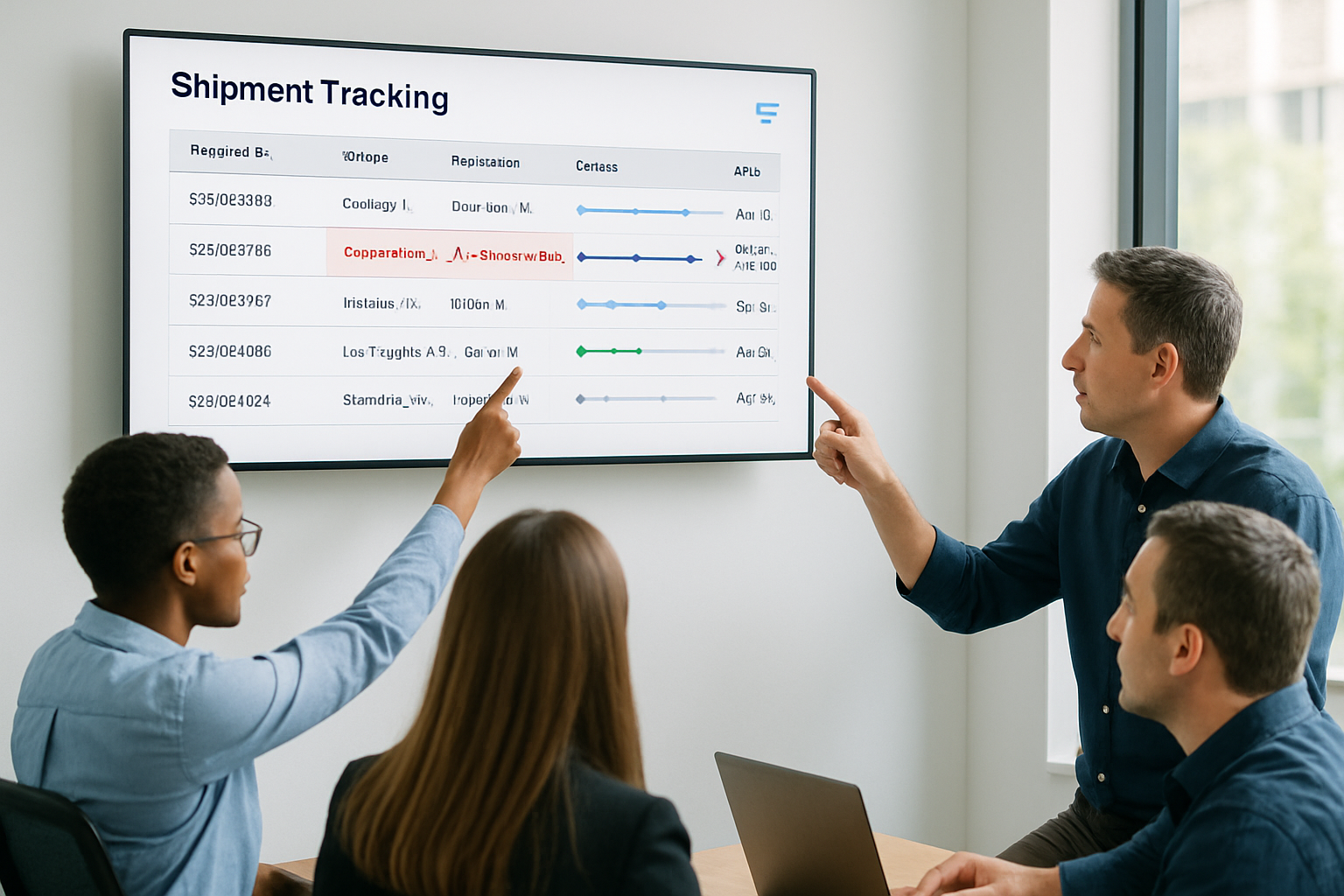
A Practical Workflow for Implementing a White Label Tracking Portal
Successful use of a white label shipment tracking portal involves several key steps that integrate shipment visibility with operational control:
- 1. Data Integration: Connect carrier APIs and internal shipment data to feed accurate status and milestones into the portal.
- 2. Milestone Standardization: Define consistent shipment event milestones to track (e.g., pickup, loading, customs clearance, delivery).
- 3. Brand Customization: Configure portal branding, messaging, and user interface to reflect the freight forwarder’s identity.
- 4. Exception-First Setup: Implement alerts for exceptions like delays or document hold-ups with clear ownership and follow-up workflow.
- 5. Customer Communication: Automate notification workflows for key shipment events and exceptions to keep customers informed proactively.
- 6. Internal Control: Set access permissions and control handoffs for documentation, ETD/ETA changes, and carrier coordination.
- 7. Continuous Improvement: Use portal analytics and feedback to refine visibility accuracy and communication effectiveness.
This workflow ensures the portal is not just a tracking tool but a centralized operational control point, reducing manual follow-ups and enhancing transparency across stakeholders.
Role-Wise Guidance on Using a White Label Tracking Portal
Freight Forwarders: Coordinate carrier API connections and maintain milestone accuracy. Control shipment exceptions and prioritize risk mitigation through the portal.
Importers and Exporters: Monitor shipment statuses via the branded portal. Use real-time ETA/ETD updates to plan inbound and outbound logistics and manage customer expectations.
Operations Teams: Track shipment milestones daily, assign exception ownership, and communicate delays proactively using the portal’s automated alerts and dashboards.
Procurement and Documentation Teams: Validate carrier performance and documentation handoffs using portal audit trails, ensuring compliance and reducing avoidable delays.
This distributed responsibility model relies on the portal to provide visibility and accountability aligned to each team’s operational needs.
Before, During, and After Shipment: Stage-Wise Portal Implementation
Before Shipment: Upload booking details and expected milestones. Confirm carrier data feeds and ETA/ETD baseline. Configure customer access and notification preferences.
During Shipment: Monitor milestone progress in real time. Detect exceptions early and assign ownership. Communicate updates and alerts automatically to customers and teams.
After Shipment: Archive shipment data and performance metrics. Conduct post-shipment reviews on carrier reliability and communication effectiveness. Use insights to continuously improve portal settings.
This stage-wise approach embeds the tracking portal within the operational cadence, reinforcing control points at critical shipment phases.
Examples from Freight Operations Using White Label Tracking Portals
Example 1: A freight forwarder integrated multiple carrier APIs into a white label portal, enabling a single dashboard view for customers. This eliminated the need for customers to check separate carrier websites, reducing inbound queries by 30%.
Example 2: An importer tracked ETA changes through a branded portal, enabling warehouse team adjustments that prevented costly detention fees by reorganizing delivery timelines promptly.
Example 3: The documentation team used the portal’s exception workflow to flag and resolve missing transport documents before customs, avoiding clearance delays that previously caused shipment bottlenecks.
Centralized shipment visibility turns data into timely decisions and builds trust with customers and teams.
Practical checklist
Use this checklist when adopting or optimizing your white label shipment tracking portal:
- Is the portal connected to all active carriers via APIs for real-time updates?
- Are shipment milestones standardized and consistently tracked across shipments?
- Are exceptions flagged automatically with clear ownership assigned?
- Is branding customized to match your corporate identity and communication style?
- Do customers receive automated, proactive notifications on key events and exceptions?
- Is there a dashboard for operations teams to monitor ETA/ETD changes and delays daily?
- Are documentation handoffs and customs clearance statuses visible and monitored through the portal?
- Does the portal provide audit trails for shipment status history and exception resolution?
- Can procurement teams access performance reports related to carrier reliability and milestone adherence?
- Is the portal accessible via mobile and desktop to support field and office teams equally?
Common mistakes
Mistake 1: Relying solely on generic third-party tracking links. This leads to scattered information and poor customer experience. Fix: Implement a white label portal to unify tracking under your brand with real-time data.
Mistake 2: Ignoring exception alert configuration. Without proactive exception handling, delays cause escalations. Fix: Set up automated alerts with assigned owners to enable timely resolution.
Mistake 3: Poor milestone standardization across carriers. Inconsistent events confuse teams and customers. Fix: Define clear milestone templates ensuring uniformity despite carrier differences.
Mistake 4: Lack of integration with documentation workflows. Shipment and document status are disconnected, causing customs delays. Fix: Integrate document status tracking within the portal for full shipment visibility.
Mistake 5: Limited customer access or hard-to-use interfaces. This increases inquiry volume and dissatisfaction. Fix: Provide intuitive, mobile-friendly portals with clear branding to empower clients.
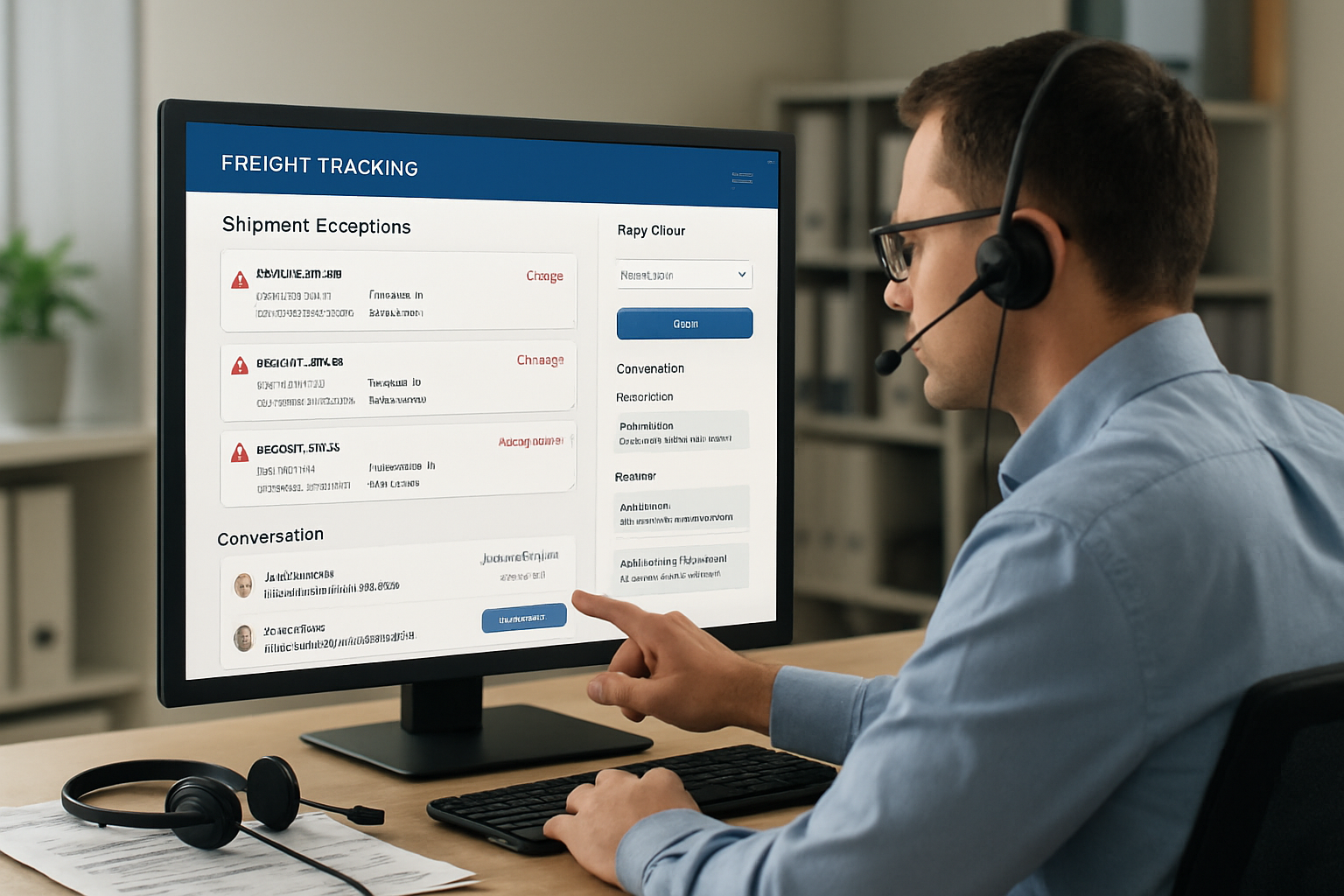
Frayto-Aligned Workflow for White Label Shipment Tracking
Freight teams adopting Frayto-aligned structured shipment visibility often follow this workflow:
Booking → Carrier Integration → Milestone Tracking → Exception Management → Customer Communication → Documentation Control → Audit and Reporting.
Each stage is supported by centralized interfaces that feed data into the portal, making shipment status tracking reliable and audit-ready. Importantly, exception management triggers early alerts, ensuring operations teams own delays and communicate timely updates, reducing reactive firefighting significantly.
Why Freight Teams Struggle with Shipment Visibility and How a White Label Portal Helps
Freight teams often face visibility gaps due to multiple carrier portals, inconsistent milestone definitions, and manual updates. These issues lead to missed ETA changes, increased detention risk, and customer dissatisfaction. A white label shipment tracking portal centralizes data streams and enforces uniform tracking standards, which improves operational clarity and reduces manual interventions.
Moreover, by controlling branding and notifications, freight forwarders can convert visibility into stronger customer relationships while ensuring internal teams receive alerts for immediate exception handling.
How to Manage Customer Communication Using a White Label Portal
Customer communication in freight is most effective when proactive and exception-first. A white label portal enables automated alerts on milestones such as arrival at port, customs clearance, or delay notices. Customers access a familiar branded interface, reducing inbound queries and improving trust.
Operations teams should configure notification rules based on shipment risk profiles, ensuring high-impact shipments trigger real-time messages. This structured communication reduces confusion and supports smoother logistics handoffs.
Freight Forwarders vs Importers: What Each Should Expect from a White Label Tracking Portal
Freight Forwarders: Should expect improved shipment milestone tracking, fewer manual follow-ups, and better exception management capabilities to reduce operational noise.
Importers and Exporters: Should expect real-time updates, visibility into documentation status, and branded notifications tailored to their shipment timelines, enabling proactive planning and risk mitigation.
Understanding these expectations helps both parties effectively leverage the portal for operational clarity and customer satisfaction.
Conclusion
A white label shipment tracking portal is a powerful tool for freight forwarders aiming to move beyond fragmented shipment visibility and manual status updates. By implementing structured milestone tracking, real-time ETA/ETD monitoring, exception-first workflows, and branded customer communication, logistics teams gain greater operational clarity and control. This transforms shipment status tracking into a centralized, audit-ready process that reduces follow-ups, mitigates demurrage risk, and improves customer trust. Structured freight visibility through a white label portal is no longer optional but essential for managing complexities of modern global freight operations efficiently. To realize true benefits, teams must align their workflows to make the portal a single source of truth across carriers, internal teams, and customers, thereby elevating freight management to a new standard of professional execution and transparency.
Get in Touch!
We'll reach out shortly with the info you need. No spam, just a helpful conversation.


For Exporters & Importers
For Freight Forwarders
© 2026 Frayto. All Rights Reserved.