


Solutions
For Exporters & Importers

For Freight Forwarders and Logistics Service Providers
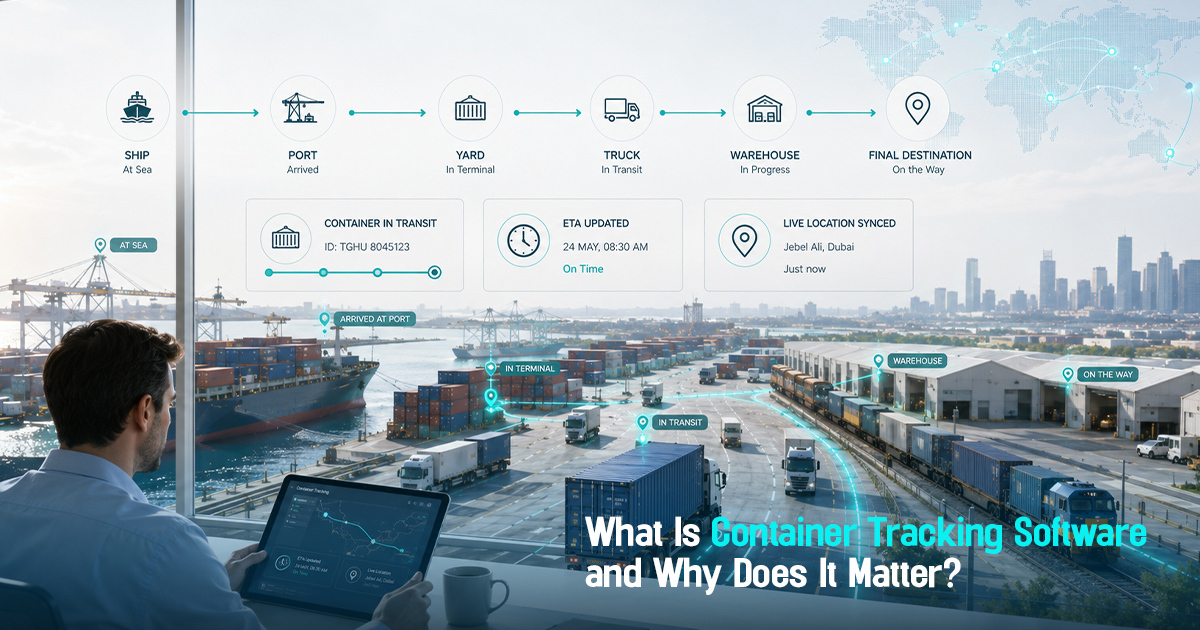
What Is Container Tracking Software and Why Does It Matter?


4 Minutes
Container tracking software is a specialized logistics tracking solution designed to monitor the location, status, and movement of shipping containers throughout supply chains. It matters operationally because freight forwarders, importers, exporters, and logistics managers rely on accurate, real-time shipment visibility to reduce delays, coordinate vendors, control costs, and manage exceptions. Despite its critical role, many teams struggle with fragmented data sources and manual tracking, making it harder to maintain consistent updates and respond promptly to issues.
What Is Container Tracking Software?
Container tracking software refers to digital systems that combine technologies such as GPS, RFID, EDI integration, and cloud platforms to provide end-to-end cargo tracking. These platforms collect data on container locations, transport modes, and shipment milestones to offer comprehensive freight visibility.
Using container tracking software enables operational teams to monitor sea freight tracking and intermodal container tracking in real time, identify shipment exceptions earlier, and improve decision-making workflows around procurement and coordination.

How Container Tracking Software Supports Shipment Visibility
A primary benefit of container tracking software is enhanced freight visibility tools that deliver accurate, consistent updates on shipment progress across carriers and transport modes. This reduces operational uncertainty and avoids costly follow-ups with vendors or carriers.
By integrating real-time shipment tracking with existing logistics processes, teams can better manage ETD and ETA milestones, optimize booking workflows, and lower risks such as detention and demurrage caused by delayed container movements or document discrepancies.
Key Features of Effective Container Tracking Software
Robust container GPS tracking, event milestone updates, and automated exception alerts are core components. Additionally, secure documentation handling and customs checkpoint monitoring help maintain compliance without manual overhead.
These features contribute to structured operational visibility, allowing freight forwarders and supply chain managers to centralize oversight, coordinate vendors efficiently, and communicate shipment statuses accurately to customers.
Challenges in Container Tracking Without Software
Without container tracking software, teams often face fragmented data spread across carrier emails, manual logs, and disconnected IT systems. This leads to delays in identifying shipment exceptions and difficulties in managing exceptions effectively.
Such gaps increase the risk of detention and demurrage charges, reduce operational clarity, and elevate the burden of customer communication, often resulting in reactive workflows rather than proactive handling.
Accurate container tracking shifts logistics teams from reactive firefighting to proactive exception management.
Practical checklist
Implementing container tracking software requires attention to key operational steps:
- Integrate GPS and carrier data streams for real-time location updates.
- Automate milestone tracking to capture ETD, ETA, customs clearance, and delivery events.
- Set up exception alerts for delays, documentation issues, and route deviations.
- Ensure compliance validation through document and checkpoint monitoring.
- Centralize visibility dashboards for vendor and customer communication.
Following this checklist helps improve operational workflows and reduce reactive firefighting related to container management.
Comparison: Manual Tracking vs Container Tracking Software
Manual tracking relies on spreadsheets, emails, and phone calls, which are typically slower and prone to errors. It lacks standardized timestamps and often misses exception triggers.
Container tracking software uses automated data feeds and centralized platforms to provide timely, audit-ready tracking information. This enables faster exception handling, better vendor coordination, and less exposure to costs like detention or demurrage.
Integrating Container Tracking into Broader Freight Management
Container tracking software acts as a critical component within a logistics tracking solution ecosystem. When combined with freight procurement workflows and operational visibility tools, it supports seamless coordination from booking through delivery.
Platforms like the Frayto Instatrac shipment tracking platform exemplify how centralized tracking enhances control over multi-modal shipments, providing a single source of truth for operations teams.

Common mistakes
Ignoring the integration of carrier data or relying solely on manual updates are common errors that undermine container tracking effectiveness. Additionally, insufficient attention to exception workflows leads to delayed responses and amplified costs.
Poor communication protocols around shipment status updates also reduce customer trust and operational transparency, increasing internal rework and management overhead.
Conclusion
Container tracking software is an essential operational tool for freight forwarders, importers, exporters, and logistics managers aiming to achieve consistent real-time shipment visibility and streamline control over complex freight movements. It addresses common challenges such as fragmented tracking data, delayed exception handling, and compliance risks by enabling structured and automated workflows. Implementing effective container tracking solutions not only reduces costly detention and demurrage exposures but also supports better vendor coordination and customer communication. As global trade complexity grows, integrating container tracking software into a centralized freight management system becomes critical to maintaining operational clarity, controlling costs, and ensuring compliance across ocean and intermodal freight lanes. For teams focused on improving logistics operations, adopting these tools is a practical step toward reducing disruptions and improving supply chain responsiveness. Reliable information and standardized monitoring help transform reactive shipment management into predictable and manageable workflows.
Get in Touch!
We'll reach out shortly with the info you need. No spam, just a helpful conversation.
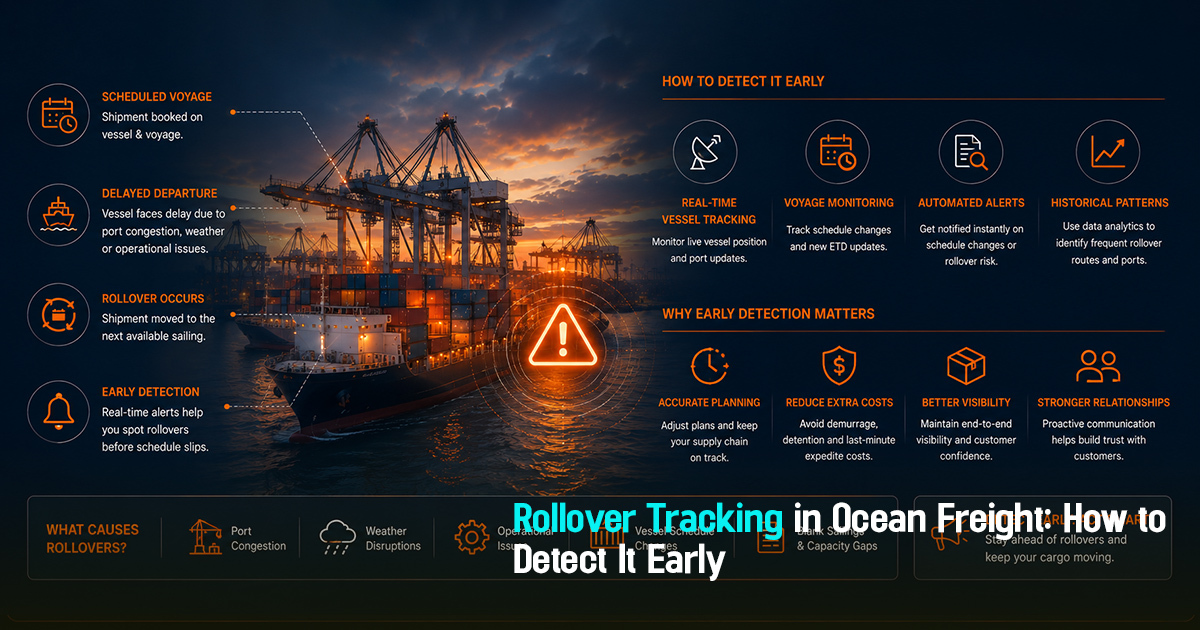
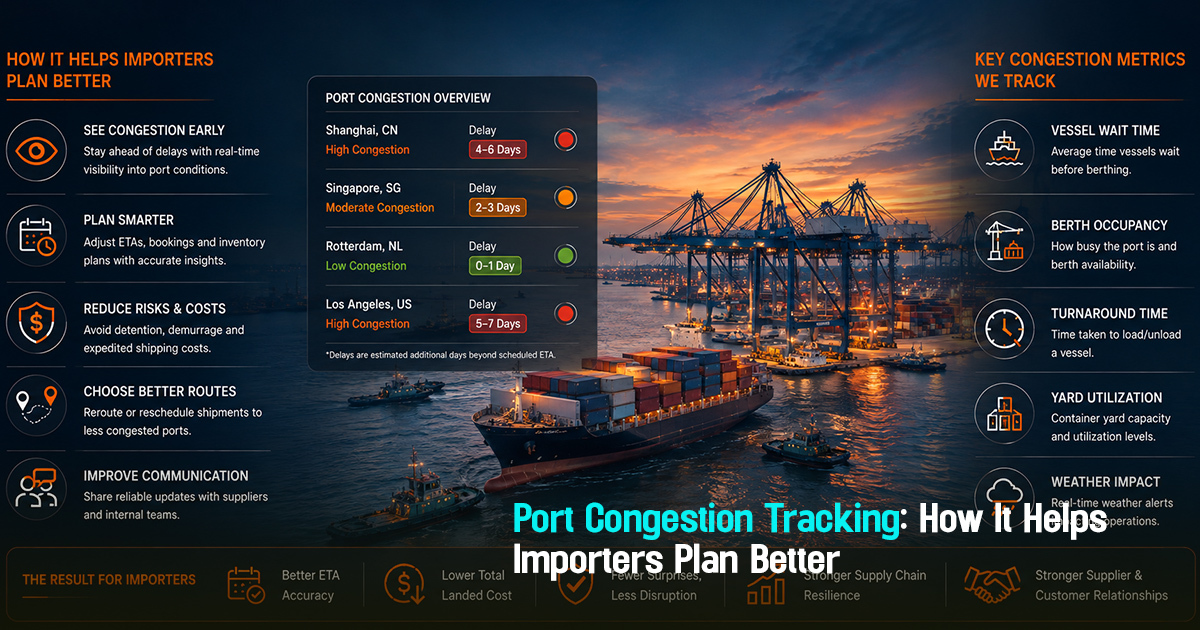
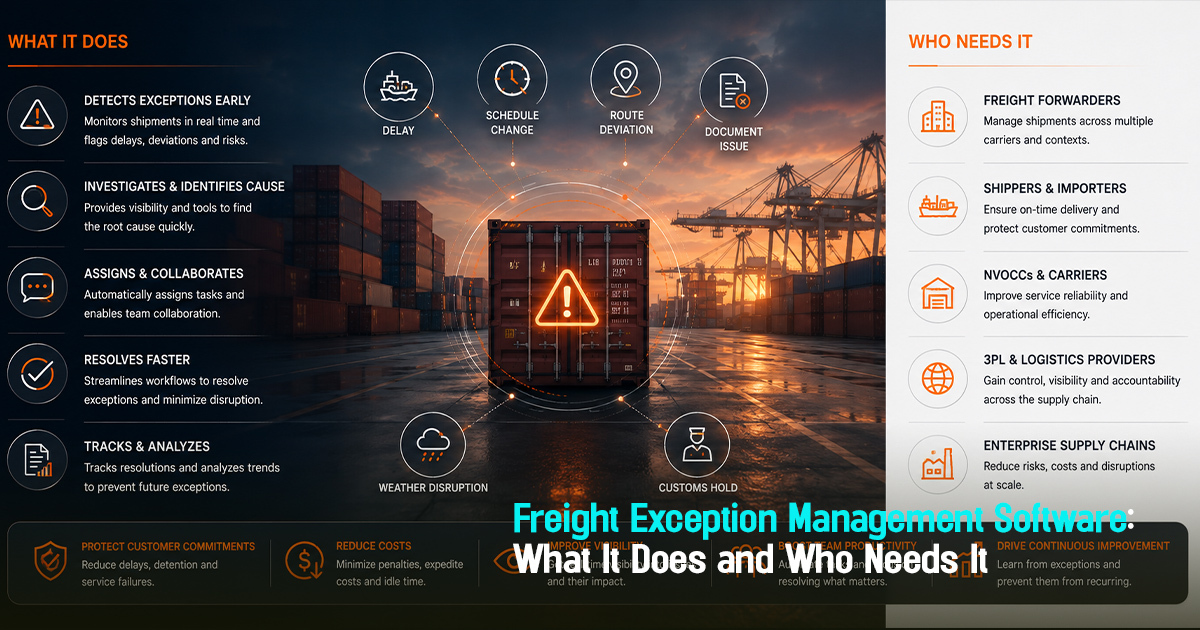


For Exporters & Importers
For Freight Forwarders
© 2026 Frayto. All Rights Reserved.