


Solutions
For Exporters & Importers

For Freight Forwarders and Logistics Service Providers
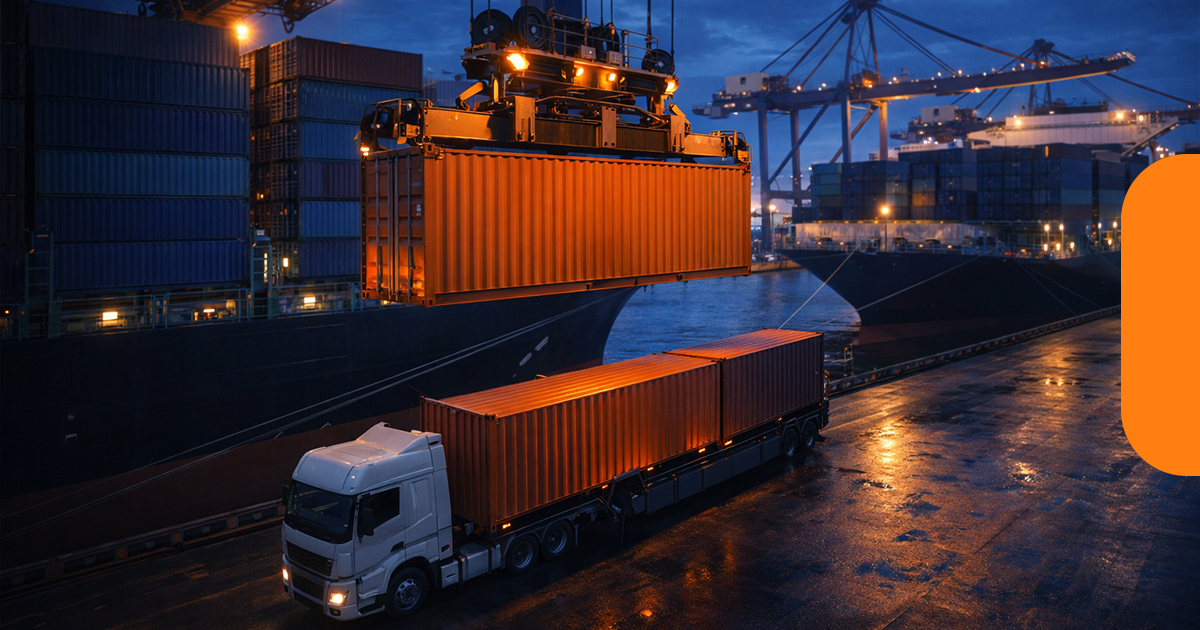
Multimodal Freight Execution: One Timeline, One Owner, One Customer Update


4 Minutes
Multimodal freight execution refers to the coordinated management of shipments that move across multiple transport modes—such as sea, air, road, and rail—under one unified workflow. Operational clarity in this area matters because fragmentation often leads to missed milestones, overlapping communication, and costly delays. The challenge lies in consolidating multiple carriers, documentation, and timelines into a single, actionable plan without creating confusion for logistics teams or customers.
What is multimodal freight execution?
Multimodal freight execution is the process of managing freight shipments seamlessly across different transport modes with one owner overseeing the full journey to optimize timing and communications. It integrates planning, tracking, and operational coordination to avoid information silos and inefficiencies.
By adopting a single timeline and ensuring one party holds responsibility for freight coordination, operations teams reduce duplication of effort and maintain consistent visibility across carriers and modes. This streamlines customer communication and improves exception handling.

Challenges in multimodal shipment tracking
Multimodal shipment tracking often suffers from fragmented data and conflicting timelines because each carrier or transport mode uses different tracking standards and systems. This fragmentation creates delays when reconciling updates and identifying exceptions, impacting freight timeline management and customer trust.
The absence of a centralized visibility platform can lead to slow responses to delays or compliance issues, increasing risks of detention, demurrage charges, and missed delivery windows. For freight forwarders and supply chain managers, this means more reactive workflows and less time for proactive decision-making.
Single owner freight coordination
Assigning one owner for multimodal freight execution centralizes accountability and reduces communication gaps. This owner acts as the primary contact for carriers, vendors, and customers, consolidating shipment updates and coordinating handoffs between modes.
With a single owner, exception handling is more streamlined, enabling quicker decision-making when issues arise. This structure also ensures that customer freight updates are consistent, timely, and actionable, improving operational transparency.
Integrating timelines for better freight control
Creating a unified shipment timeline across all freight legs is vital to align operations and reduce costly missteps. This timeline includes key milestones such as booking confirmation, ETD (Estimated Time of Departure), mode transfers, ETA (Estimated Time of Arrival), customs clearance, and final delivery.
Proper timeline integration requires operational discipline and reliable data flows from all carriers and vendors. It enables better forecasting, exception anticipation, and precise customer communication at each stage, reducing avoidable delays and demurrage costs.
Centralizing ownership and timelines cuts confusion and speeds up shipment exception resolution.
Practical checklist
Below is a practical checklist for managing multimodal freight execution effectively:
- Designate a single owner for end-to-end shipment coordination.
- Establish a consolidated timeline covering all transport modes and milestones.
- Use integrated visibility tools to track status and flag exceptions early.
- Standardize customer update protocols with clear, scheduled communications.
- Develop exception workflows that allow rapid response and vendor collaboration.
- Validate all documentation before mode handoffs to avoid customs and compliance delays.
Common mistakes
A frequent error in multimodal freight execution is failing to unify ownership, leading to conflicting updates from multiple parties. This causes operational confusion and inconsistent customer communication.
Another common mistake is relying on isolated tracking systems instead of integrated logistics solutions. This results in fragmented freight visibility across modes and delays in identifying shipment exceptions, increasing detention and demurrage risks.
Streamlining freight workflows for better results
Successful multimodal freight execution depends on streamlined workflows that integrate procurement, documentation, tracking, and exception management. This ensures a single source of truth and actionable insights throughout shipment life cycles.
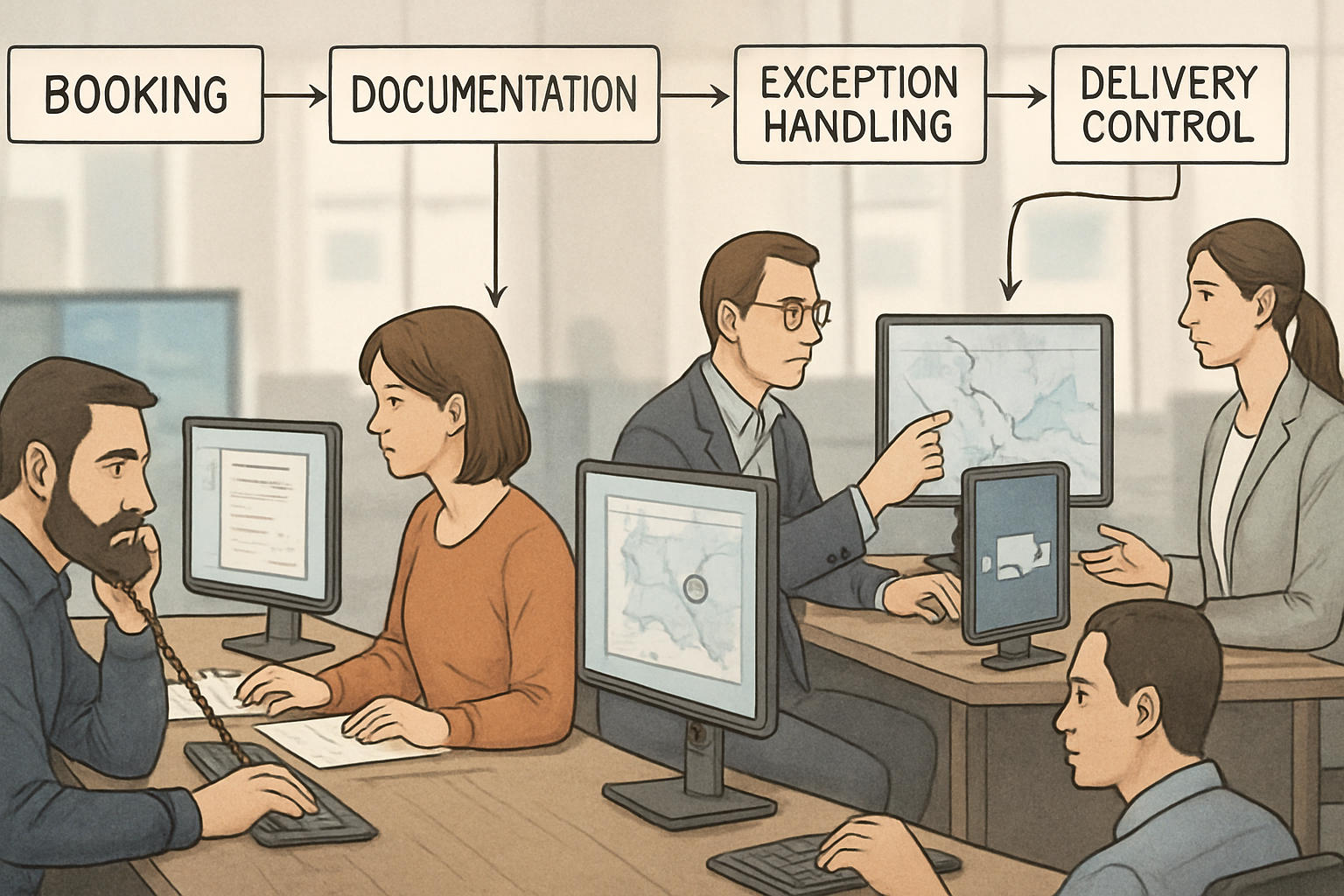
A typical workflow framework includes: Booking → Documentation → Visibility → Exception Handling → Delivery Control. Each step requires clear handoffs and up-to-date freight timeline management to prevent delays and cost overruns.
Leveraging integrated logistics solutions
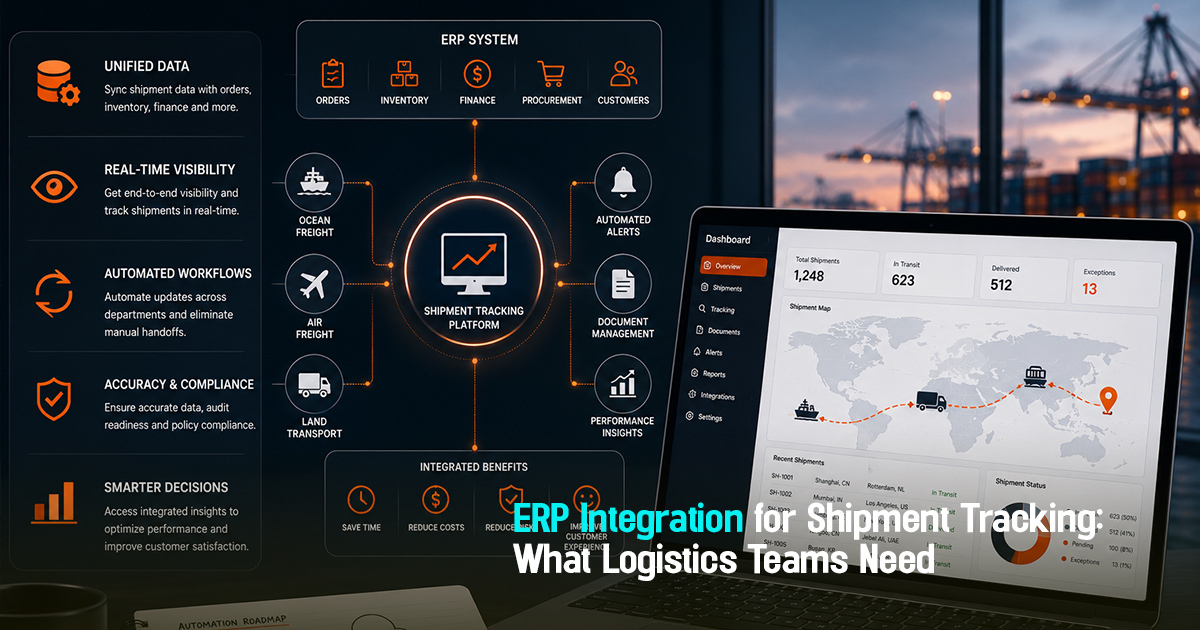
Integrated logistics solutions provide centralized control over multimodal freight execution by consolidating data flows and communications into a unified system. These platforms enhance freight visibility across modes and enable teams to maintain one timeline and owner while keeping customers well-informed.
This approach reduces manual follow-ups, improves compliance discipline, and supports auditability—helping freight forwarders and supply chain managers maintain operational control and cost efficiency in complex multimodal operations.
Conclusion
Multimodal freight execution requires establishing a single, consolidated timeline managed by one dedicated owner who coordinates shipments and unifies communications across modes and stakeholders. This structure enhances operational clarity and risk reduction by enabling proactive exception handling and synchronized customer updates. A disciplined approach to freight timeline management and integrated visibility tools reduces costly delays, demurrage exposure, and confusion among vendors and customers alike. Teams that embed these principles into their workflows benefit from smoother operations, timely deliveries, and measurable cost control. Implementing unified multimodal execution routines is essential for freight forwarders and logistics teams committed to precise, efficient, and transparent supply chain management.
Get in Touch!
We'll reach out shortly with the info you need. No spam, just a helpful conversation.


For Exporters & Importers
For Freight Forwarders
© 2026 Frayto. All Rights Reserved.