


Solutions
For Exporters & Importers

For Freight Forwarders and Logistics Service Providers
Import Shipment Tracking India: A Complete Guide for Importers


5 Minutes
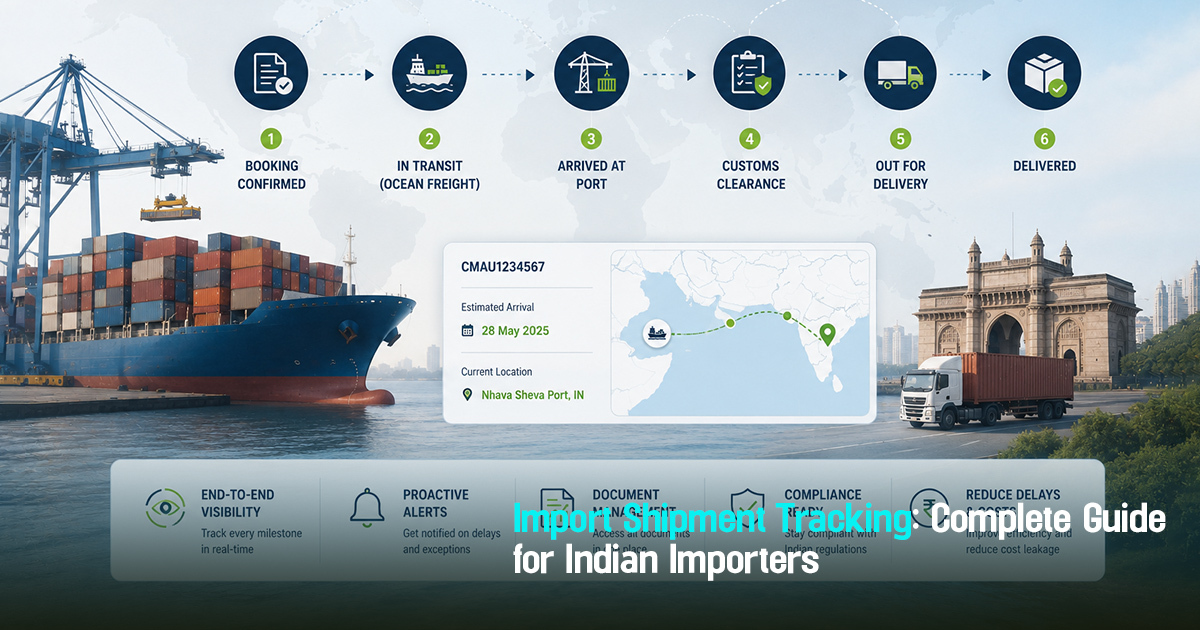
Import shipment tracking in India refers to the systematic process of monitoring cargo movement from origin to delivery, ensuring accurate and timely visibility of import cargo status. This matters operationally because limited visibility can cause delays, missed ETA changes, and costly demurrage or detention charges at Indian ports. Indian importers face real challenges coordinating multiple carriers, customs documentation, and freight status updates across modes. This article offers a practical, step-by-step guide to import shipment tracking for importers in India aimed at improving real-time shipment visibility and operational control with a focus on practical workflows and exception handling.
What is Import Shipment Tracking and Why It Matters for Indian Importers?
Import shipment tracking India means monitoring import cargo movements and milestones in real time across ocean carriers, inland transport, and customs checkpoints to maintain control and transparency throughout the supply chain.
It matters because Indian importers often handle complex import procedures with multiple carriers, customs regulations, and documentation handoffs. Without structured tracking, visibility gaps occur, leading to operational delays, unplanned detention or demurrage charges, and poor customer communication. Effective tracking supports ETA/ETD monitoring, exception identification, and timely stakeholder updates, reducing risks and cost overruns.
A Practical Import Shipment Tracking Workflow for Indian Importers
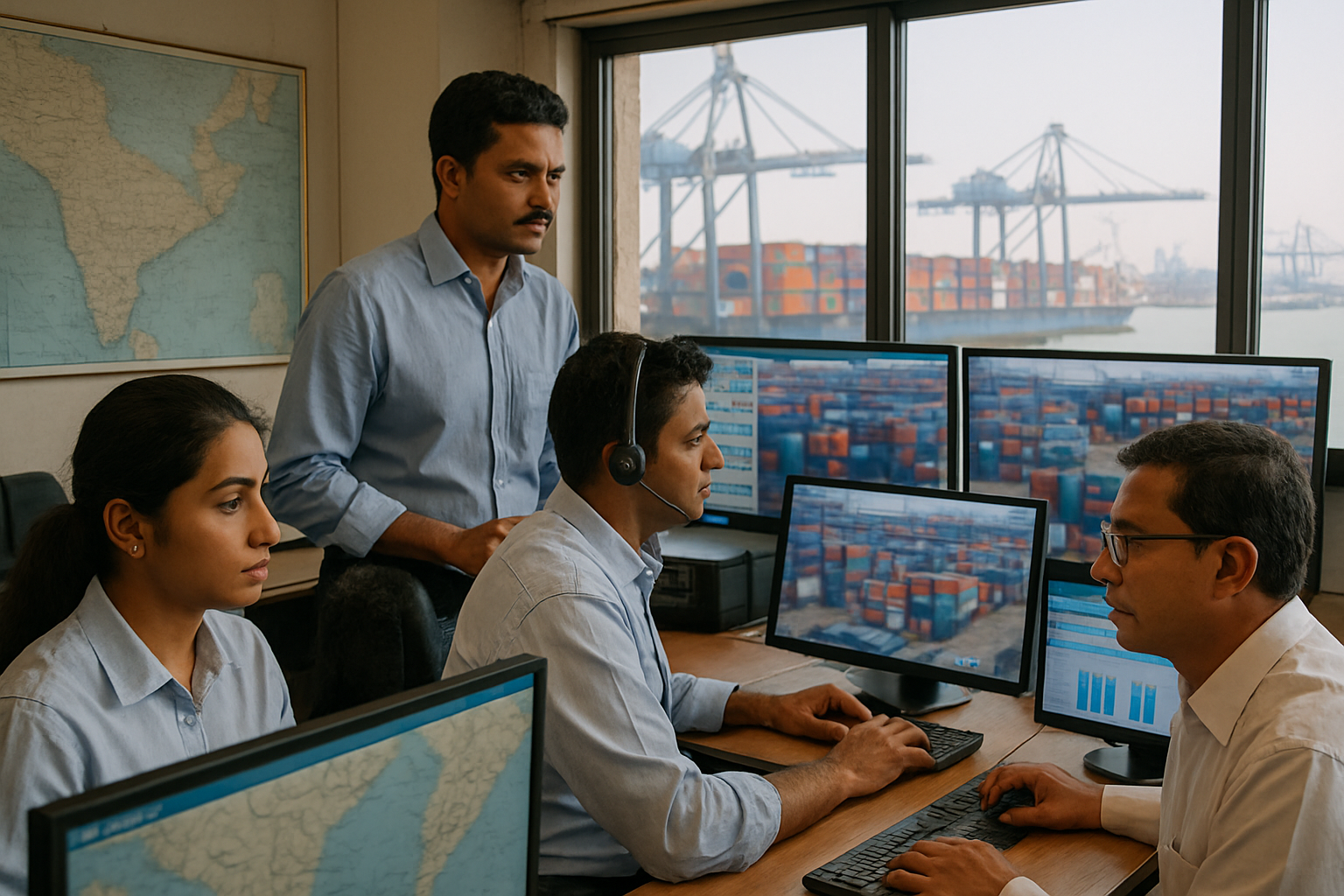
Centralizing shipment updates and coordinating vendor data are key in this workflow designed for import shipment monitoring from origin to delivery.
Each step addresses frequent challenges, ensuring exceptions and milestone updates are captured and communicated to avoid operational disruptions.
- Booking Confirmation & Pre-Carriage Status: Validate booking details, routing, and ETD. Confirm carrier and inland transport assignments to establish baseline visibility.
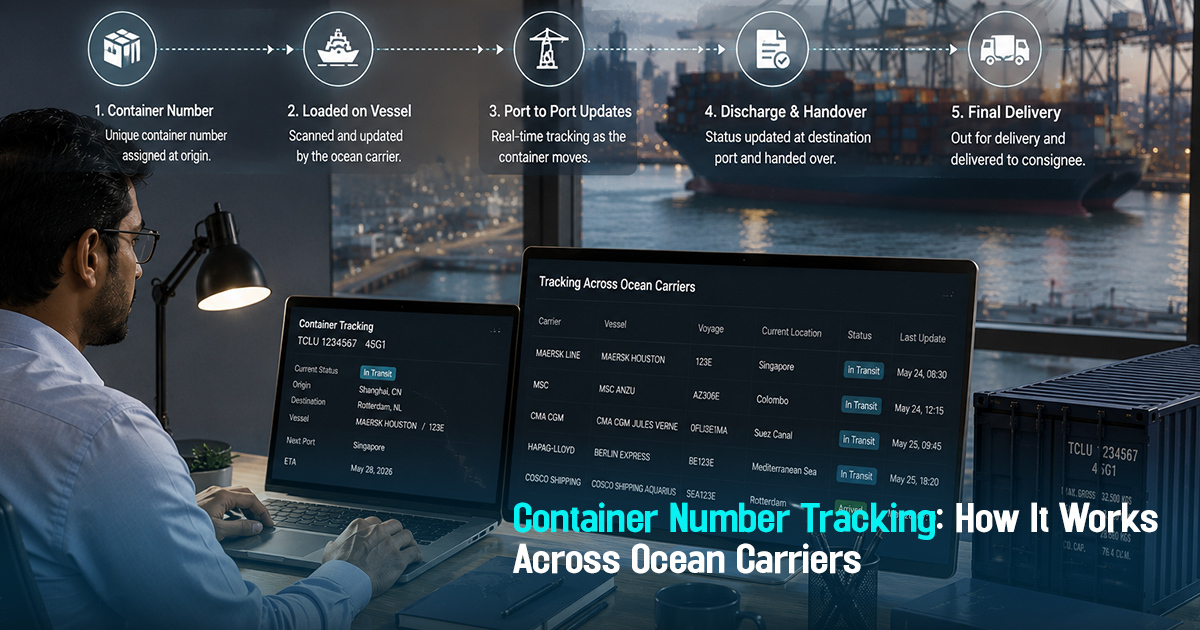
- Milestone Event Tracking: Monitor key carrier milestones such as container loading, vessel departure, port arrival, and discharge. Record ETA and ETD changes promptly.
- Customs Documentation Preparation & Validation: Collect and verify import documents before arrival to avoid clearance delays. Track handoffs between importer, customs broker, and freight forwarder.
- Exception Detection & Ownership: Assign responsibility immediately when delays or ETA misses happen. Escalate to operations or procurement teams for resolution and carrier follow-up.
- Real-Time Shipment Visibility Platform: Use centralized dashboards to consolidate carrier updates, documentation status, and exception alerts in one view for all stakeholders.
- Customer & Internal Stakeholder Communication: Automate proactive updates on shipment status, ETA changes, and exceptions to reduce manual follow-ups and build trust.
- Final Delivery & Post-Arrival Audit: Confirm shipment delivery milestones, track final container return or detention charges, and conduct audits to improve future shipment tracking accuracy.
Role-Wise Importance in Import Shipment Tracking India
Freight forwarders need to maintain continuous carrier communication, manage milestone updates, and proactively flag exceptions. Timely coordination with customs brokers and inland carriers ensures smooth handoffs.
Importers should closely monitor ETA/ETD, verify customs document status, and track risks related to demurrage or detention charges, requesting updates early to mitigate costs.
Operations teams must track shipment milestones daily in centralized systems, review exceptions for root causes, and facilitate quick resolution through ownership assignment and escalation paths.
Procurement and documentation teams validate freight rates against service levels, ensure all import documents are available pre-arrival, and keep audit trails to prevent shipment clearance stoppages or billing disputes.
Before, During, and After Shipment: Stage-Wise Import Tracking Execution
Before Shipment: Confirm booking accuracy, service commitments, and collect verified import documents. Confirm vessel schedule and inland transport assignments to set expectations.
During Shipment: Track container location, ETA/ETD updates, and carrier milestones in real time. Assign exception owners for delays or deviations. Ensure frequent carrier and customs communication.
After Shipment Arrival: Validate delivery status and customs clearance completion. Monitor demurrage or detention triggers and close exceptions. Conduct review meetings to identify process improvement opportunities.
Import Shipment Tracking India: 3 Operational Examples
Example 1: A Mumbai-based importer missed a vessel ETA update because milestone tracking was manual, leading to demurrage charges. Introducing centralized visibility with automated ETA monitoring prevented reoccurrence via early alerts.
Example 2: An inland delivery delay was not flagged due to fragmented tracking systems. Assigning exception ownership to operations team and integrating inland updates resolved issues sooner and improved customer communication.
Example 3: Import documentation delays for Bangalore imports delayed customs clearance. A documentation handoff workflow featuring status checks and audit trails reduced document-related risks and shipment hold-ups at the destination port.
Timely visibility and clear exception ownership are the pillars of effective import shipment tracking in India.
Practical checklist
Use this checklist to ensure robust import shipment tracking and visibility practices across your Indian import operations.
- Are ETD and ETA updates captured centrally and monitored daily?
- Is there a designated owner for all shipment exceptions and delays?
- Are milestone events from carriers consolidated in one platform?
- Do procurement teams verify freight rates against service commitments before booking?
- Is documentation status tracked and validated before vessel arrival?
- Are real-time shipment visibility dashboards used for all stakeholders?
- Are alerts and escalations automated for carrier delays or documentation issues?
- Does the customer service team provide proactive shipment updates?
- Are detention/demurrage risks reviewed weekly before shipment arrival?
- Is there an audit process for shipment milestones and documentation post-delivery?
Common mistakes in Indian import shipment tracking
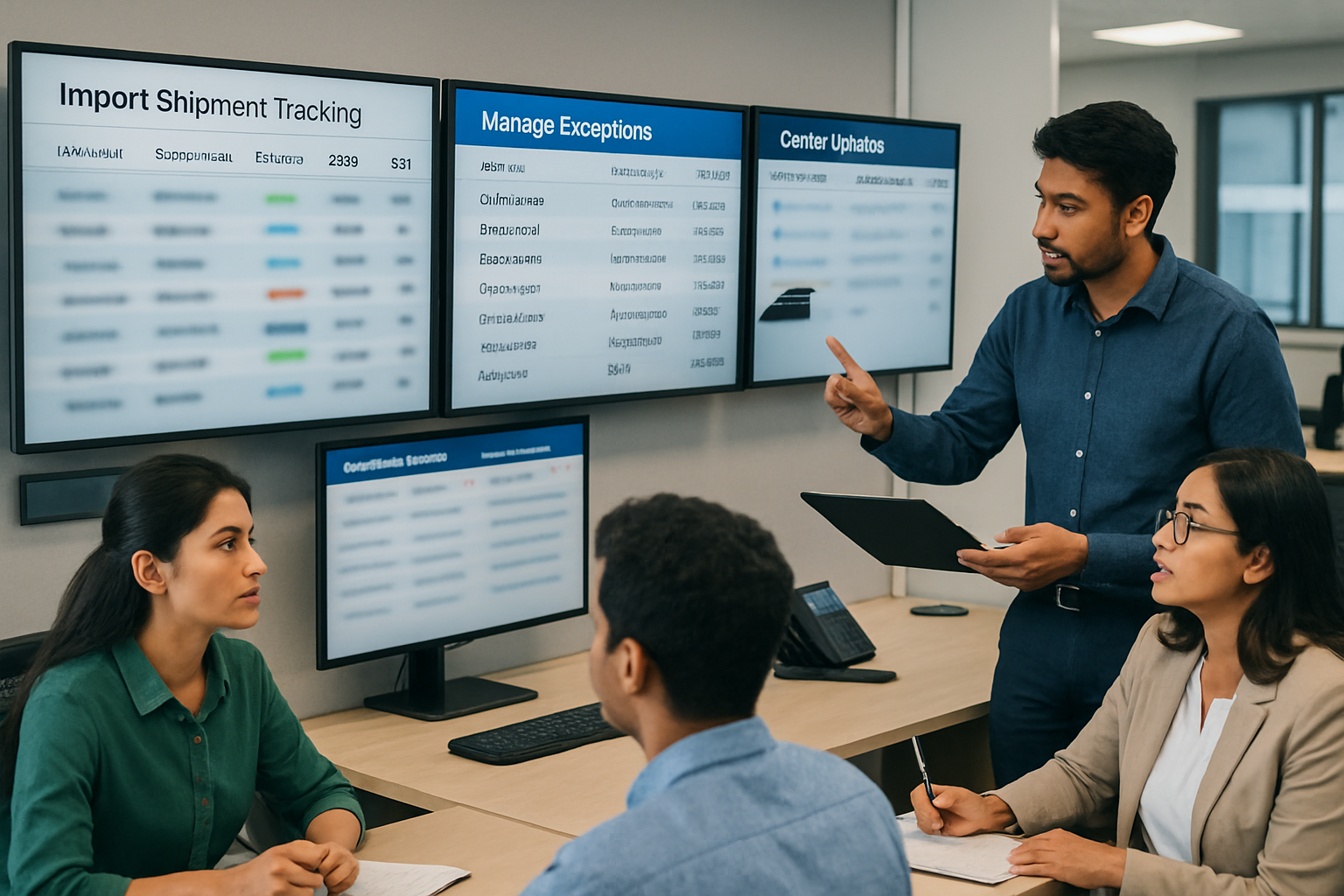
Mistake 1: Fragmented Tracking Systems. Relying on manual carrier portals and emails creates visibility gaps. Fix: Centralize shipment updates in a single platform to unify data and reduce manual follow-ups.
Mistake 2: Ignoring Early ETA Changes. Teams often overlook minor ETA shifts that compound into major delays. Fix: Monitor ETA changes rigorously with automated alerts to avoid last-minute surprises.
Mistake 3: Lack of Exception Ownership. No clear responsibility leads to missed follow-ups. Fix: Assign exception owners immediately and track resolution progress in structured workflows.
Mistake 4: Documentation Delays Impacting Customs. Late or incomplete documents cause clearance hold-ups. Fix: Validate documents early and maintain a clear handoff workflow with customs brokers.
Mistake 5: Poor Customer Communication. Infrequent or late updates cause customer dissatisfaction. Fix: Automate proactive shipment updates and exceptions to improve transparency and trust.
Frayto-aligned Import Shipment Tracking Workflow
Frayto-aligned workflows emphasize centralized tracking, ETA/ETD monitoring, exception management, and documentation discipline at all shipment stages.
Through a unified platform, import shipment tracking India using this workflow provides operational clarity by ensuring carriage milestones, document validation, and carrier coordination happen in one place, supporting accountability and faster issue resolution.
- Booking Confirmation & Rate Approval
- Shipment Milestone Tracking & ETA/ETD Monitoring
- Exception Identification & Owner Assignment
- Documentation Collection & Validation
- Customer & Stakeholder Updates
- Delivery Confirmation & Exception Closure
- Post-Shipment Audit & Performance Review
FAQ
Get in Touch!
We'll reach out shortly with the info you need. No spam, just a helpful conversation.
Freightstory Technologies Private Limited
A-209, Dynasty Business Park, JB Nagar,
Andheri East, Mumbai- 400059, India


For Exporters & Importers
For Freight Forwarders
© 2026 Frayto. All Rights Reserved.