


Solutions
For Exporters & Importers

For Freight Forwarders and Logistics Service Providers
Container Number Tracking: How It Works Across Ocean Carriers


6 Minutes
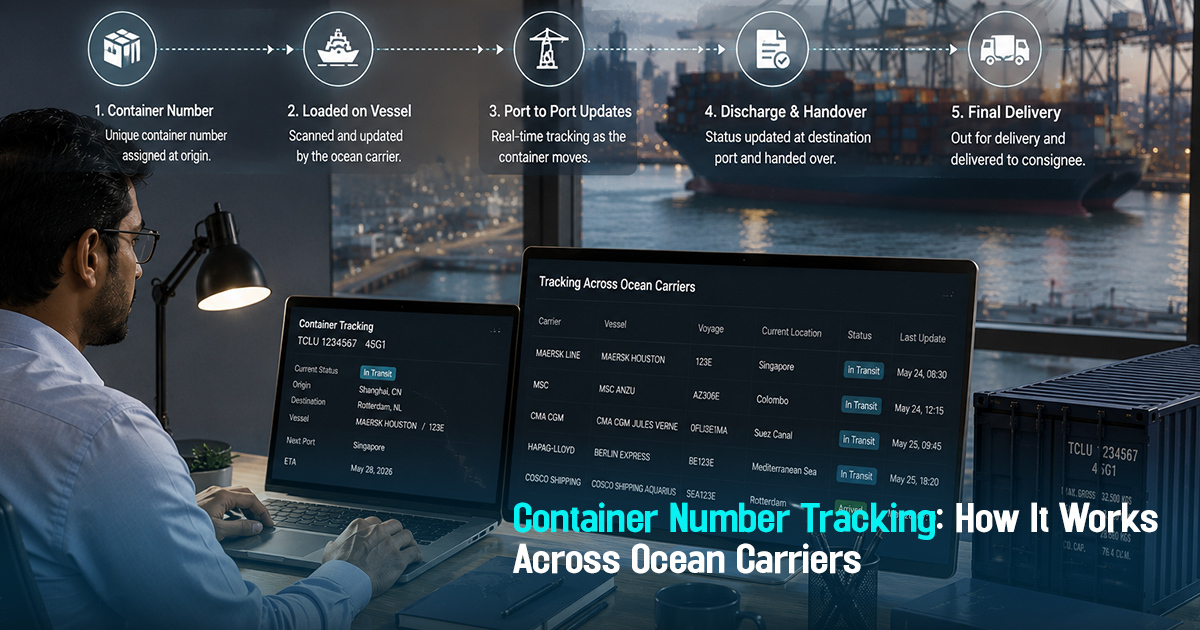
Container number tracking is a critical process in modern ocean freight operations, enabling logistics teams to monitor individual containers throughout their journey. This tracking method matters because it directly impacts freight shipment visibility and operational control, helping teams reduce delays, manage exceptions, and provide accurate customer updates. In complex ocean freight workflows involving multiple carriers and ports, tracking container numbers offers a clear window into shipment status, ETA/ETD, and milestone events. This article provides a practical overview of container number tracking across ocean carriers, focusing on real operational workflows and actionable steps for freight forwarders, importers, exporters, and logistics managers to improve visibility and control.
What is Container Number Tracking and Why It Matters
Container number tracking refers to the process of using a unique identifier assigned to each shipping container to monitor its location, status, and movement across the supply chain. This unique container number is the key to unlocking detailed shipment information and updates from ocean carriers and terminal operators.
Operationally, container tracking allows logistics teams to maintain up-to-date shipment visibility on a granular level, enabling proactive management of transshipment events, documentation readiness, and exception responses. It helps reduce risks such as detention and demurrage by providing timely alerts on delays or port congestion.
How Ocean Carriers Use Container Numbers for Tracking
Ocean carriers allocate a unique container number typically following the ISO 6346 standard that includes letters and digits identifying the owner and serial details. This number connects the container to the vessel voyage, port calls, and handling events recorded in the carrier’s tracking system.
Each carrier maintains a container tracking system accessible online or via APIs, where milestone events such as stuffing, gate-in/out, loading, unloading, and delivery are updated. However, variations exist between carriers in how frequently and consistently these updates occur, impacting shipment visibility reliability.
Practical Workflow Framework for Container Number Tracking
A structured workflow ensures maximum utility of container number tracking in ocean freight:
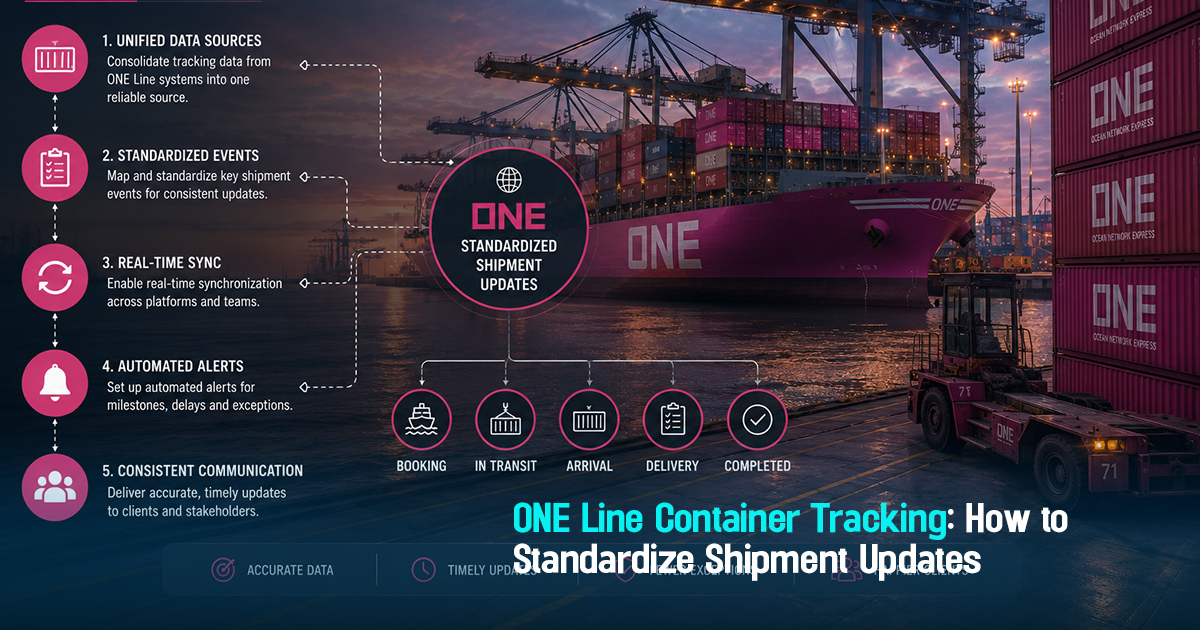
- Container Number Capture: Record the container numbers accurately from booking confirmations or shipping instructions to avoid tracking errors.
- Carrier System Query: Use the container number to query the ocean carrier’s tracking system or aggregated shipment visibility platforms.
- Milestone Update Monitoring: Track key container events such as gate-in, loading, vessel departure, transshipment, discharge, and gate-out.
- Exception Flagging: Identify and flag deviations like delays in port, missed transshipment connections, or container status discrepancies.
- Customer and Team Communication: Share timely, exception-first updates with internal teams and customers based on container status changes.
- Documentation Cross-Check: Verify documentation readiness at each major event to prevent customs or regulatory delays linked to the container.
- Post-Delivery Audit: Confirm container delivery and condition to close visibility and initiate billing or claims workflow.
This workflow adds structure to what can otherwise be a fragmented and manual tracking approach, increasing operational clarity and reducing follow-ups.
Role-Wise Guidance for Container Number Tracking
Freight Forwarders: Ensure all container numbers are captured from carriers and clients, consolidate tracking data from multiple carriers, and monitor milestone updates daily in a centralized system to catch exceptions early.
Importers and Exporters: Monitor container status proactively, clarify ETA/ETD changes, and coordinate with forwarders or carriers if delays or exceptions occur, especially near customs checkpoints.
Operations Teams: Track critical container milestones, assign ownership of exceptions such as missing gate-in or delayed unloading, and coordinate documentation handoffs timed with container movements.
Procurement and Documentation Teams: Validate that container numbers match booking contracts, track vendor compliance on updates, and ensure documents are ready aligned with container arrival timelines to avoid port delays.
Process-Wise Breakdown: Before, During, and After Container Tracking
Before Shipment: Confirm container numbers during booking, validate carrier assignment, and set up tracking feeds. Ensure documentation submission aligns with container pickup and stuffing times.
During Transit: Monitor container status daily, track ETA/ETD against planned milestones, and flag exceptions such as port congestion or gate delays. Communicate promptly with carriers and customers on changes.
After Delivery: Confirm container gate-out and return status, finalize documentation receipt, and audit container condition. Close tracking records and evaluate vendor and carrier performance based on container milestones and exceptions.
Container number tracking enables proactive exception management and timely communication across complex ocean freight operations.
Practical checklist
Use this checklist to strengthen container number tracking operations and avoid common pitfalls:
- Is the container number captured correctly and uniformly across all shipment documents?
- Are container tracking updates from all carriers visible in one centralized platform?
- Are milestones like stuffing, gate-in/out, vessel departure, and discharge updated daily?
- Is there an assigned owner responsible for investigating tracking exceptions?
- Are ETA and ETD changes monitored in real time and communicated promptly?
- Are customer updates based on container tracking exceptions sent proactively?
- Are document readiness and customs checks synchronized with container status milestones?
- Are detention and demurrage exposure risks reviewed when container delays occur?
- Is container delivery confirmed with carrier sign-off and condition inspection?
- Is historical container tracking data used for audit and carrier performance reviews?
Common mistakes
1. Incorrect or missing container numbers: This causes lost visibility and increases follow-ups. Fix by establishing strict booking and documentation protocols to verify container IDs before tracking starts.
2. Relying on multiple carrier portals separately: Fragmented tracking leads to missed updates and delayed exceptions. Fix by consolidating data into a single visibility platform for centralized monitoring.
3. Ignoring milestone gaps or update delays: Missing gate-in/out or load/discharge events can hide risks. Fix by implementing automated alerts for missed milestones to trigger prompt follow-up.
4. Late communication of ETA/ETD changes: Customers and teams escalated improperly due to surprises. Fix by enforcing exception-first communication workflows aligned with container tracking data.
5. Poor linkage between container tracking and documentation: Documentation delays cause customs holds even when container status is good. Fix by syncing documentation workflows with container milestones and alerting at defined checkpoints.
6. Neglecting detention and demurrage risk assessment: Delays often lead to unplanned costs. Fix by reviewing container tracking exceptions in daily operations and escalating potential charges early.

Frayto-Aligned Container Tracking Workflow Example
Using a centralized shipment visibility platform aligned with container number tracking brings together key freight operations:
- Rate Request & Booking: Container numbers are captured upfront during structured procurement and booking processes.
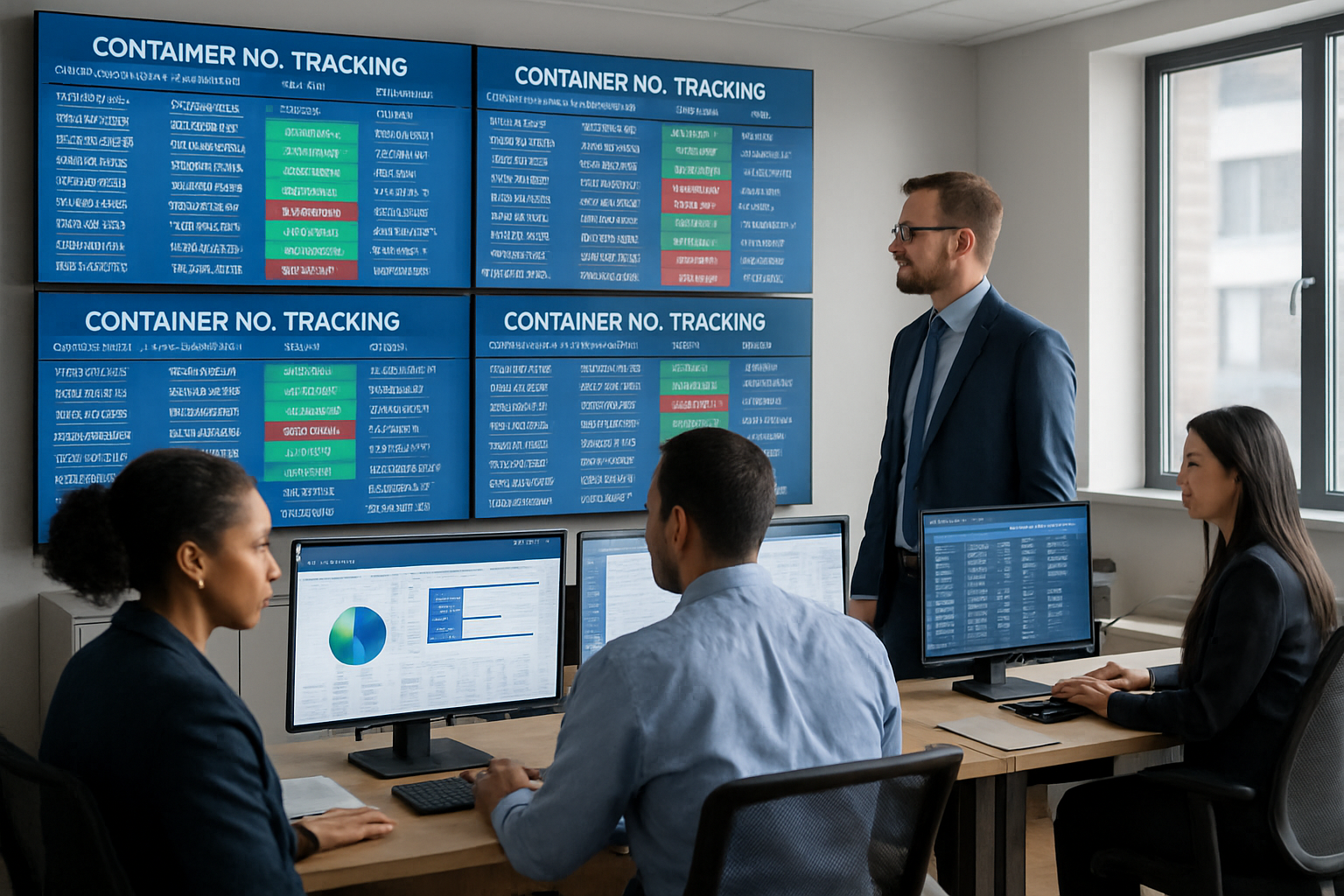
- Centralized Tracking: Container status milestones from multiple ocean carriers are consolidated on one dashboard.
- Exception Handling: Missed milestones or delays flag exceptions automatically, assigned to owners for investigation.
- Documentation & Compliance: Documentation workflows are synchronized with container status to reduce clearance delays.
- Customer Communication: Timely shipment and container status updates are automated to reduce inquiries and escalations.
- Delivery Confirmation & Audit: Final container delivery status is recorded, supporting invoice reconciliation and performance reviews.
This integrated approach reduces manual follow-ups, improves decision timing, and strengthens operational clarity across ocean freight shipments.
Get in Touch!
We'll reach out shortly with the info you need. No spam, just a helpful conversation.
Recommended Blogs
Freightstory Technologies Private Limited
A-209, Dynasty Business Park, JB Nagar,
Andheri East, Mumbai- 400059, India


For Exporters & Importers
For Freight Forwarders
© 2026 Frayto. All Rights Reserved.