


Solutions
For Exporters & Importers

For Freight Forwarders and Logistics Service Providers
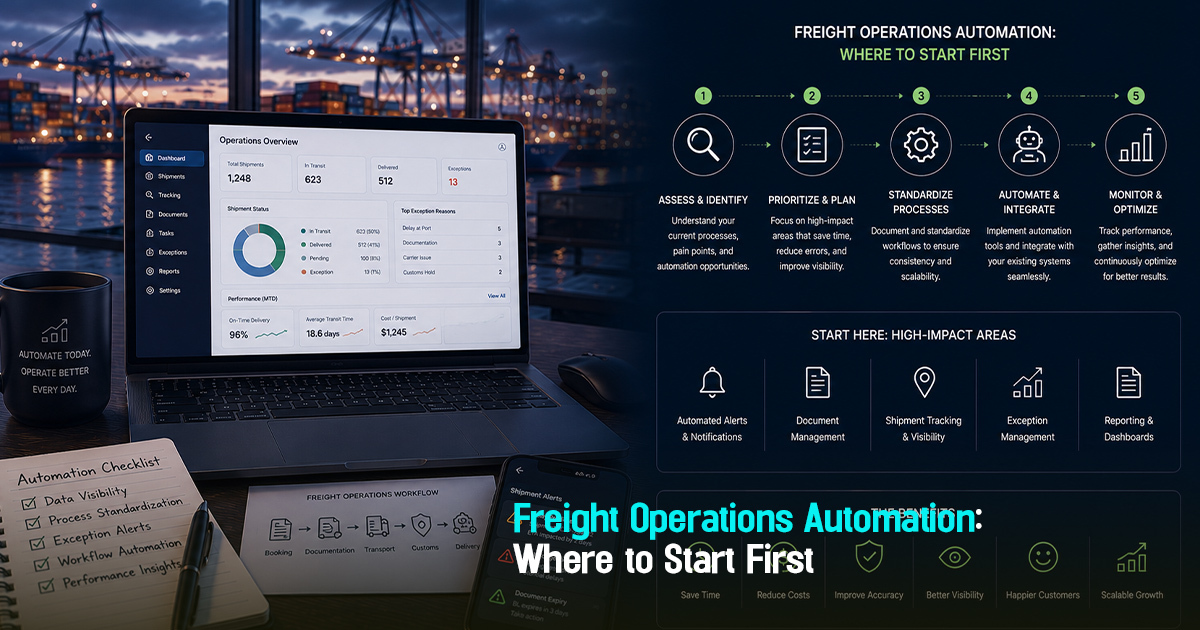
Freight Operations Automation: Where to Start First for Logistics Teams


5 Minutes
Freight operations automation refers to the strategic use of logistics technology solutions and automated freight workflows to streamline freight processes, improve shipment visibility, and enhance operational control across procurement, tracking, documentation, and exception handling. Starting automation effectively matters because logistics teams often face fragmented systems, manual follow-ups, and visibility gaps that cause delays and cost overruns. This article offers a practical roadmap to help freight forwarders, operations managers, importers, exporters, and procurement teams identify which freight operations areas to automate first — focusing on those that reduce risks, improve communication, and build structured processes.
What is Freight Operations Automation and Why Start with It?
Freight operations automation consists of implementing digital tools that automate routine and exception management tasks in freight workflows, from rate procurement to shipment milestone tracking. It addresses operational challenges where manual efforts cause delays and tracking is scattered across multiple portals and communication channels.
By automating key freight processes, logistics teams gain centralized visibility and control, reduce repetitive communication, and improve exception handling, allowing faster responses to shipment disruptions and better cost management.
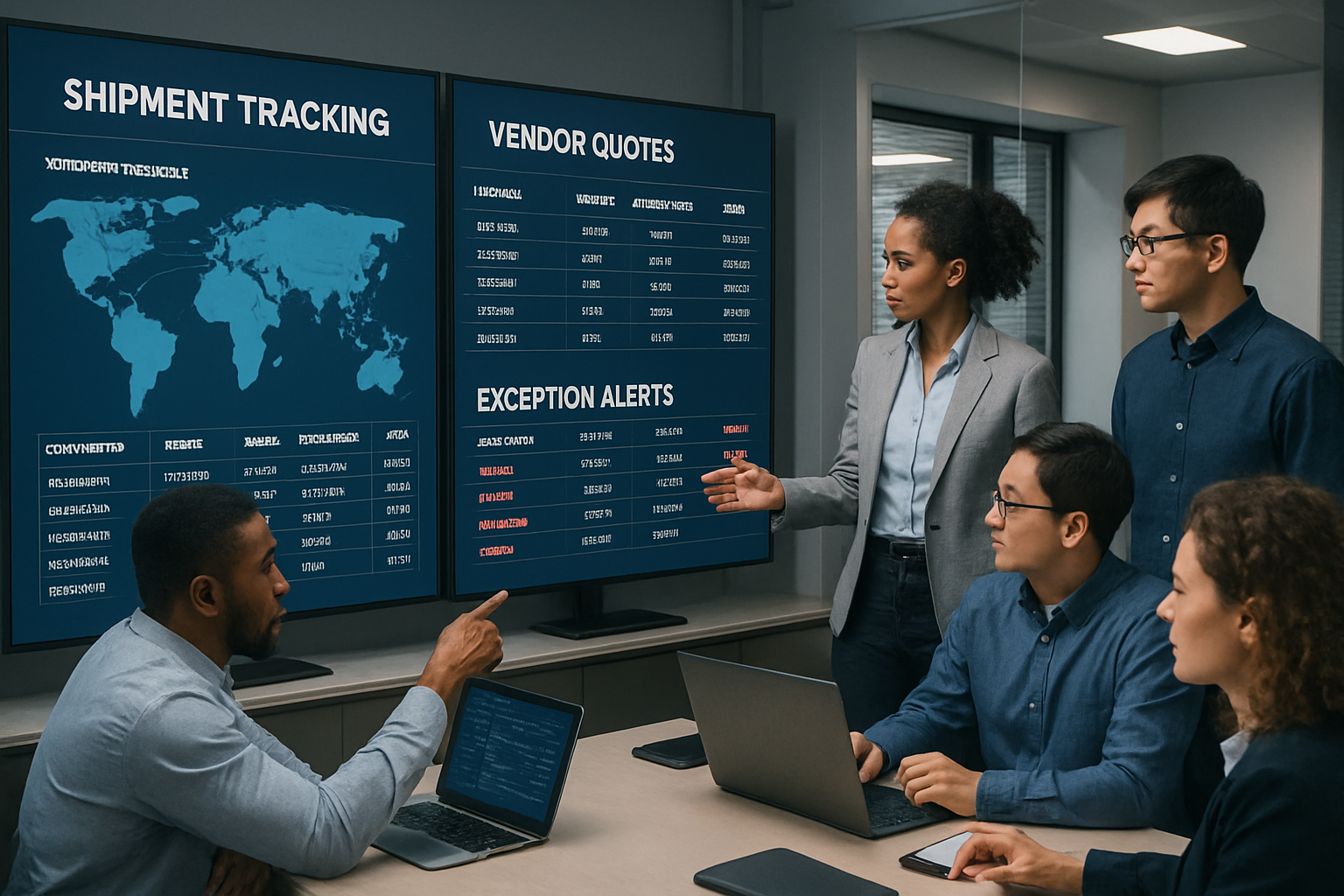
A Practical Freight Operations Automation Framework
Starting freight operations automation is most effective when following a structured workflow that targets key operational pain points. This framework covers 6 critical automation focus areas:
1. Rate Request and Vendor Comparison: Automate the request for quotes (RFQs) from multiple carriers with standardized criteria, enabling consistent vendor comparison that considers accessorials, transit times, and routings.
2. Approval and Booking Control: Enforce approval workflows to prevent bookings without oversight, ensuring freight costs and routing align with procurement policies.
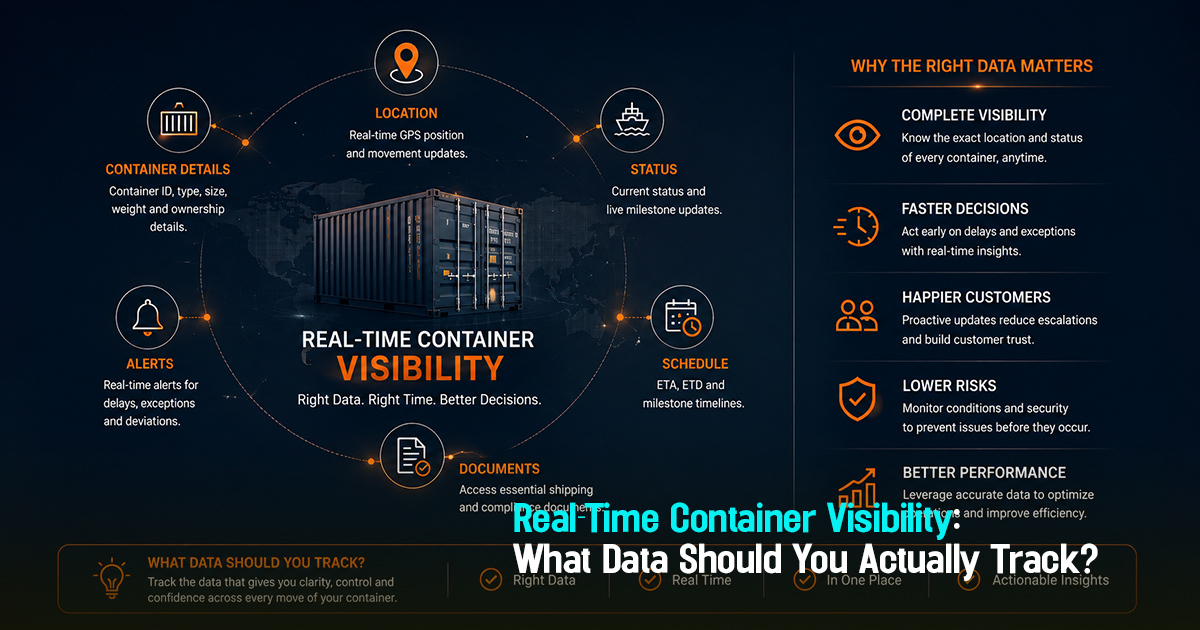
3. Centralized Shipment Tracking and ETA/ETD Monitoring: Automate milestone updates and carrier system integration to provide real-time shipment visibility and alert teams to ETA/ETD changes.
4. Exception Management and Ownership: Automatically flag shipment exceptions like delays or missing documentation, assign ownership, and trigger customer updates to reduce follow-ups.
5. Documentation Workflow Automation: Digitize document collection, validation, and customs checkpoint handoffs to maintain compliance and speed clearance.
6. Customer Communication Automation: Provide proactive, consistent shipment status reports and escalation alerts based on visibility data to improve trust and reduce queries.
This framework prioritizes automation where it improves operational clarity the most—enabling teams to act faster, control costs, and reduce manual errors.
Why Freight Operations Teams Struggle to Automate
Many logistics teams face issues such as siloed data, lack of process discipline, and unclear ownership, making automation complex. Example: An importer’s procurement team approved a freight booking without comparing accessorial charges, leading to unexpected demurrage costs in transit.
Without centralized freight management and digital workflows, teams resort to manual milestone tracking across multiple carrier portals and emails, increasing risk of missing crucial shipment updates.
Practical checklist
To begin freight operations automation, logistics teams should verify they have addressed these critical items:
• Have you centralized rate requests to capture all vendor quotes under uniform terms?
• Is your approval process automated to prevent bookings without compliance checks?
• Are shipments tracked in one dashboard with ETD/ETA updates?
• Do exceptions automatically generate alerts with assigned owners?
• Are documentation workflows digitized to avoid customs or clearance delays?
• Are customer communication templates and automatic updates based on shipment status established?
• Is accessorial and detention risk monitored to reduce unexpected cost leaks?
• Are freight vendors’ past performances tracked to inform procurement decisions?
This checklist ensures automation is built on solid operational processes rather than technology for technology’s sake.
Automation brings clarity by centralizing freight data and enabling faster, exception-first decision-making.
Role-Wise Guidance on Freight Operations Automation
Freight Forwarders: Focus on automating multi-carrier shipment tracking, exception ownership, and customer updates to reduce manual follow-ups and improve service quality.
Importers and Exporters: Prioritize procurement automation with structured RFQ, vendor comparison, and approval workflows to control freight spend and routing.
Operations Teams: Implement centralized dashboards to monitor shipment milestones, ETA/ETD changes, and documentation statuses in real time.
Procurement and Documentation Teams: Automate document validation, customs handoffs, and accessorial charge reviews to prevent costly delays and disputes.
Each role benefits from automation elements aligned with their workflow ownership, so cross-team collaboration improves.
Stage-Wise Breakdown: Where to Start Automating First
Before Booking: Begin with automating the freight procurement cycle including rate request, vendor comparison, and approval controls. This reduces errors and enforces cost discipline.
During Transit: Focus on automating shipment milestone tracking, ETA/ETD monitoring, and exception alerts in a centralized system. This cuts manual carrier portal checks and quickens response to delays.
Before Delivery: Automate document validation and customs checkpoint notifications to reduce clearance delays.
After Delivery: Use automation for performance evaluation and exception closure workflows to inform future procurement and operational improvements.
Prioritizing automation at these stages aligns with typical freight workflows and operational pain points.
Concrete Freight Operations Examples
1. Shipment Delay Due to Missed ETA Update: A freight operations team manually tracked ocean carrier portals and missed a schedule change, delaying customer alerts and increasing escalation.
2. Procurement Without Rate Comparison: A procurement team approved a shipment with a low base rate but missed accessory charges, resulting in higher final costs.
3. Documentation Handoff Delay: A documentation team failed to validate customs documents in time due to manual processes, causing clearance delays and detention charges.
Each example highlights a point in operations where automation can reduce errors and improve workflow transparency.

Common mistakes
1. Automating Without Process Discipline: Deploying technology without clear freight workflows leads to confusion. Fix: Map and standardize workflows before automation.
2. Overlooking Exception Management: Automation focused only on tracking but not exceptions misses critical disruptions. Fix: Implement exception-first alerting and ownership.
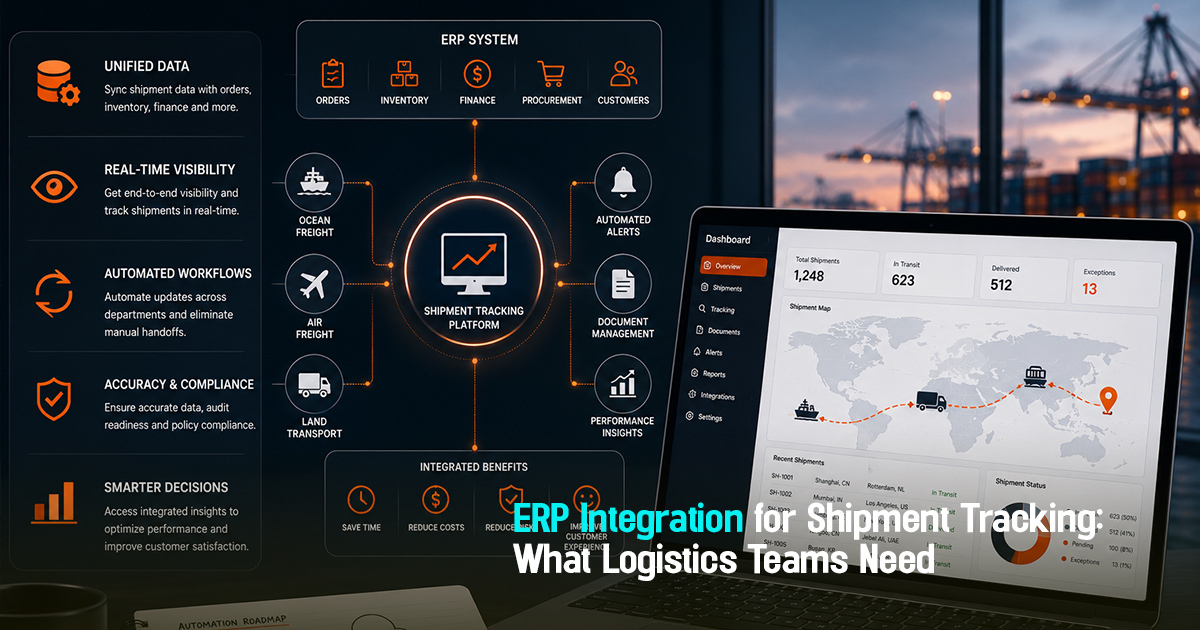
3. Fragmented Systems and Data Silos: Using multiple unintegrated portals forces manual data consolidation. Fix: Centralize tracking and vendor data in one platform.
4. Ignoring Documentation Automation: Manual document validation causes customs delays. Fix: Automate document collection and clearance checkpoint handoffs.
5. Lack of Customer Communication Automation: Manual updates lead to inconsistent customer experience. Fix: Use automated status reports and escalation triggers.
Addressing these mistakes ensures automation delivers real operational clarity, not just technical change.
A Frayto-Aligned Workflow for Freight Operations Automation
An effective automation workflow in line with practical freight management would be: Rate Request → Vendor Comparison → Approval → Booking → Centralized Tracking → Exception Handling → Customer Updates → Documentation Handoff → Audit Review. Each step automates specific operational controls to reduce manual efforts, improve visibility, assign ownership for exceptions, and maintain compliance.
This structured flow breaks siloed activities and creates a single source of truth, providing the freight team with operational clarity through automation backed by solid processes.
Get in Touch!
We'll reach out shortly with the info you need. No spam, just a helpful conversation.


For Exporters & Importers
For Freight Forwarders
© 2026 Frayto. All Rights Reserved.