


Solutions
For Exporters & Importers

For Freight Forwarders and Logistics Service Providers
Freight Management Software for Exporters: What to Look For


8 Minutes
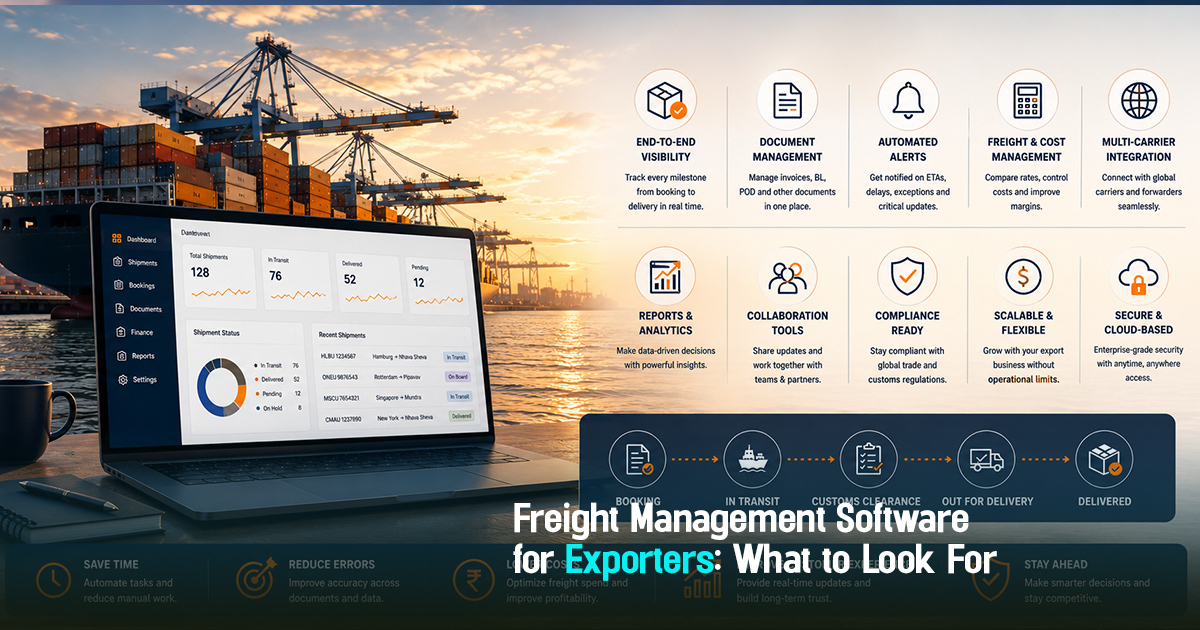
Freight management software for exporters is a specialized logistics solution designed to streamline export freight operations by centralizing shipment visibility, enhancing vendor coordination, maintaining documentation discipline, tracking shipment milestones, and ensuring compliance. Operationally, this software matters because exporters face complex challenges such as cross-border regulations, multiple carriers, shipment delays, and cost leakage. Without a structured system, these challenges lead to gaps in visibility, missed ETAs, documentation errors, and increased detention or demurrage risk. This article offers a practical guide to what exporters should look for in freight management software, focusing on features and workflows that improve control, reduce exceptions, and enable better decision-making.
What Is Freight Management Software for Exporters?
Freight management software for exporters is a logistics platform that centralizes export shipment planning, booking, tracking, documentation, and communication. It enables exporters to manage shipping rates, vendor comparison, shipment status, and compliance checkpoints in one system, improving operational visibility and control. This reduces delays and cost overruns while supporting auditability.
By aggregating data from carriers, vendors, and documentation teams, the software offers exporters a structured approach to managing export freight from origin to destination. Important functions include export shipment tracking, documentation control, vendor coordination, exception handling, and freight procurement workflows. Such centralized tools help exporters manage complex global shipments without operational chaos.

A Practical Freight Management Software Framework for Exporters
To evaluate or implement freight management software effectively, exporters should focus on a workflow framework that supports core operational stages. A seven-point framework helps clarify what to expect:
1. Rate Discovery and Vendor Comparison: The system should support structured requests for quotes (RFQs), standardize bid formats, and allow side-by-side vendor comparisons, including accessorial charges and routing options.
2. Booking and Confirmation: It must enable booking control with audit trails, capturing approvals before confirmation to avoid unapproved shipments. This stage includes vendor notification and document requests.
3. Export Shipment Tracking and Milestone Updates: The platform needs centralized tracking of shipment ETD and ETA, carrier milestones, and notifications regarding transshipment or sailing delays.
4. Documentation Management and Compliance Checks: Automated workflows for collecting, validating, and handing off export documents ensure customs and compliance readiness, reducing clearance delays.
5. Exception Handling and Ownership: The system should flag missed milestones, assign owners for exceptions, and provide alerts for proactive resolution before customer escalation.
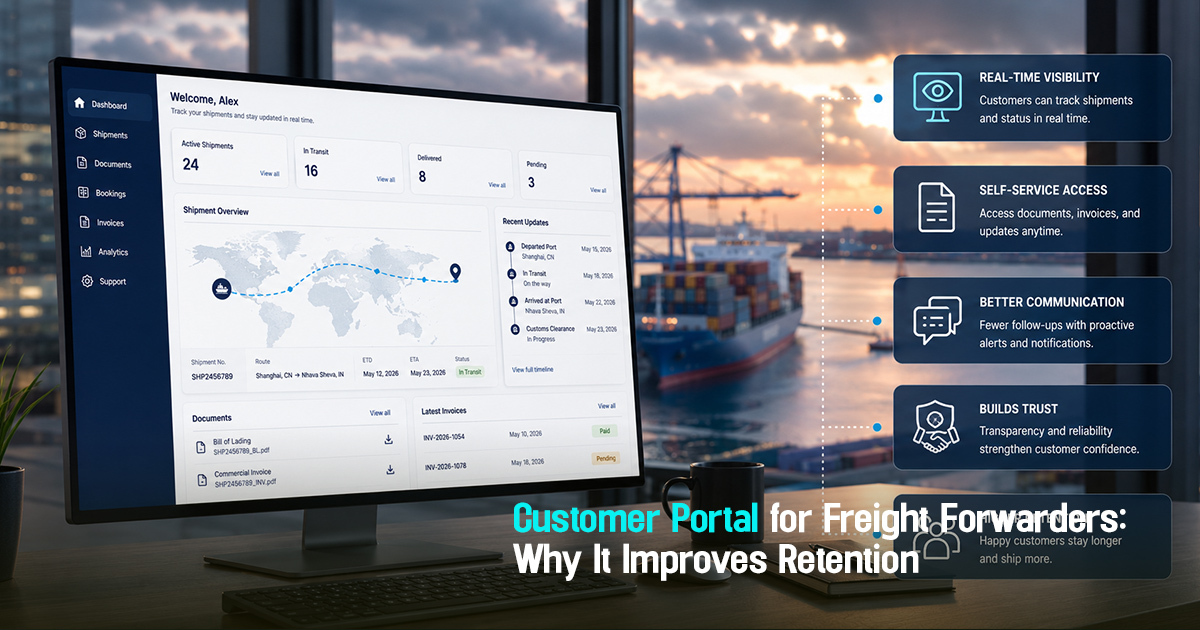
6. Customer Communication and Status Updates: Real-time shipment visibility must feed into automated customer notifications, minimizing manual follow-ups and enhancing trust.
7. Review, Audit, and Continuous Improvement: Post-delivery analytics on vendor performance, compliance handling, and cost variance support operational improvements and audit readiness.
This framework aligns freight software capabilities with key exporter workflows for better control and reduced risks.
Role-Wise Responsibilities When Using Freight Management Software
Each team involved in export freight operations has specific responsibilities that freight management software should support clearly to avoid overlaps or gaps.
Freight Forwarders: Responsible for booking confirmation, carrier coordination, and providing milestone updates. The software should help them manage multiple carrier portals in a centralized view and assign exception ownership.
Exporters/Importers: Need to track shipment status, monitor ETAs, ask for customs-related documents proactively, and review vendor performance reports. The system should offer easy access to status dashboards and exception alerts.
Operations Teams: Track shipment milestones daily, escalate exceptions early, and ensure documentation is complete before customs checkpoints. Visibility into carrier updates and shipment timelines is critical.
Procurement and Documentation Teams: Compare quotes on total cost, validate accessorial charges, ensure approval discipline before bookings, and maintain audit trails for contract compliance and regulatory inspections.
Customer Service Teams: Use automated status updates and exception alerts from the platform to communicate proactively with importers or buyers, reducing reactive escalations and improving trust.
Clear role definitions integrated with software workflows reduce operational confusion and handoff delays.
Before, During, and After Shipment: A Stage-Wise Implementation Plan
Adopting freight management software for exporters requires a stage-wise approach aligned to core export operations:
Before Shipment: Validate rates and vendor credibility, ensure all export documents (commercial invoices, packing lists, export licenses) are captured and compliance checks completed. Confirm booking approvals and vendor readiness.
During Shipment: Monitor ETD/ETA changes, track shipment milestones centrally, assign and resolve exceptions such as delays or documentation issues, and communicate timely updates to all stakeholders including buyers.
After Shipment: Review shipment performance against planned schedules, audit documentation completeness, analyze detention and demurrage occurrences, and identify cost control opportunities for future shipments.
This phased approach ensures systematic control over export freight operations, minimizing operational surprises and cost risks.
Practical Checklist
Use this checklist to ensure your freight management software supports critical exporter needs effectively:
- Are vendor quotes compared including all accessorial charges and routing alternatives?
- Is booking approval traceable and enforced before confirmation?
- Is export shipment tracking centralized with real-time ETD and ETA updates?
- Are shipment milestones tracked and logged for audit purposes?
- Is documentation collection automated with status visibility and validation?
- Are customs compliance checkpoints integrated into document workflows?
- Does the system flag exceptions and assign ownership promptly?
- Are customer notifications automated for shipment updates and deviations?
- Can detention and demurrage risks be monitored and acted on early?
- Is post-shipment performance data accessible to inform future freight decisions?
Meeting these checklist points ensures comprehensive exporter freight management capability.
Centralized visibility and exception ownership are the foundation of effective export freight management.
Common Mistakes Exporters Make When Choosing Freight Management Software
1. Overlooking Documentation Workflow Automation: Many exporters underestimate the delays caused by manual document validation. This increases customs clearance risk. Fix: Choose software with document collection, validation, and customs checkpoint integration to maintain compliance discipline.
2. Ignoring Exception Handling Features: Missing or late identification of shipment exceptions causes customer escalations and cost overruns. Fix: Select software that flags exceptions early, assigns responsibility, and triggers needed alerts.
3. Lack of Vendor Comparison Transparency: Approving vendor rates without checking accessorial charges or routing options leads to hidden costs. Fix: Implement disciplined bid comparison workflows with audit trails.
4. Not Centralizing Shipment Visibility: Using multiple carrier portals or manual tracking causes data gaps and delays. Fix: Adopt solutions that consolidate export shipment tracking with ETD/ETA milestone monitoring across carriers.
5. Neglecting Customer Communication Automation: Manual updates cause frequent follow-ups and lower customer trust. Fix: Use software capabilities to automate decision-ready shipment status notifications and exception alerts.
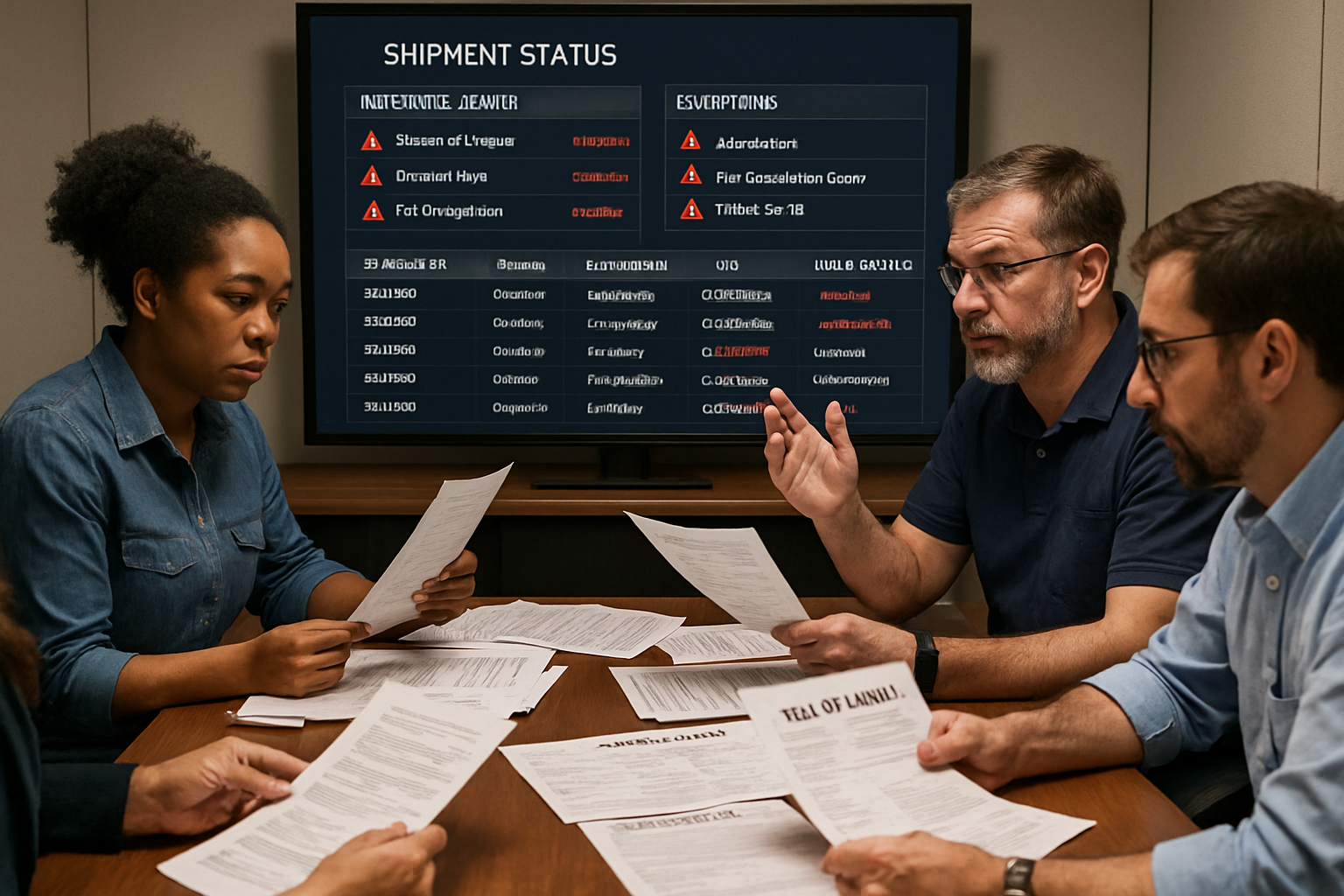
Frayto-Aligned Freight Management Workflow for Exporters
Frayto’s approach to export freight management revolves around a structured workflow:
- Rate Request and Vendor Comparison: Standardize quotes and compare based on full cost and routing.
- Approval and Booking: Capture approvals and confirm bookings centrally to prevent unauthorized shipments.
- Shipment Tracking and ETA Monitoring: Use centralized visibility to keep all stakeholders informed in real time.
- Exception Handling: Assign owners promptly for missed milestones or documentation delays.
- Customer Updates: Automate proactive information sharing to reduce escalations.
- Documentation Control and Compliance: Manage customs paperwork handoffs and validation with process discipline.
- Post-Shipment Review: Analyze shipment data to improve vendor selection and operational planning.
This workflow emphasizes operational clarity, audit readiness, and proactive exception management, aligning with exporter needs.
Freight Management Software Features That Exporters Should Prioritize
Key features supporting export freight operations include:
Export Shipment Tracking: Real-time ETD/ETA updates, multi-carrier milestone visibility, and transshipment monitoring reduce shipment delays and visibility gaps.
Documentation and Compliance Module: Automated workflows for document collection, validation, and customs checks reduce clearance delays and audit risks.
Vendor and Rate Management: Tools for structured freight procurement with detailed cost breakdowns, approval controls, and audit trails guard against cost leakage.
Exception Handling and Alerts: Automated exception identification with ownership assignment enables early resolution before customer impact.
Customer Communication Automation: Proactive updates via portal or email reduce manual follow-ups, improve transparency, and build customer trust.
Centralized Operational Dashboard: One view for all stakeholders to monitor shipments, track procurement status, document readiness, and open exceptions ensures operational control.
Concrete Freight Operations Examples
Example 1: An exporter missed a critical ETA update due to manual tracking across multiple carrier portals, resulting in customs clearance delays and detention charges. Centralized ETD/ETA monitoring in freight software would have alerted operations earlier to coordinate documentation handoff.
Example 2: The procurement team approved a low freight rate without reviewing accessorial surcharges, causing unexpected cost overruns. A structured vendor comparison tool with full cost visibility would have prevented this error.
Example 3: Customer service teams responded to frequent shipment status inquiries due to lack of automated updates, increasing manual workload and reducing service quality. Automated customer notification workflows reduced follow-ups by 40%.
How to Choose the Right Freight Management Software for Exporters
Assess Operational Fit: Evaluate software based on how well it supports your export shipment stages, documentation workflows, and exception management routines, not just feature checklists.
Integration Capabilities: Ensure compatibility with vendors, carriers, customs systems, and existing ERP or procurement tools to unify data streams for visibility and control.
User Role Support: Confirm that the software provides clear role-based access and workflows for freight forwarders, exporters, procurement teams, and documentation staff.
Scalability and Flexibility: Choose solutions flexible enough to handle varying shipment volumes, multiple transport modes, and evolving compliance requirements.
Operational Transparency: Prioritize systems that provide audit trails, exception logs, and performance dashboards for continuous improvement and risk management.
Get in Touch!
We'll reach out shortly with the info you need. No spam, just a helpful conversation.
Freightstory Technologies Private Limited
A-209, Dynasty Business Park, JB Nagar,
Andheri East, Mumbai- 400059, India


For Exporters & Importers
For Freight Forwarders
© 2026 Frayto. All Rights Reserved.