


Solutions
For Exporters & Importers

For Freight Forwarders and Logistics Service Providers
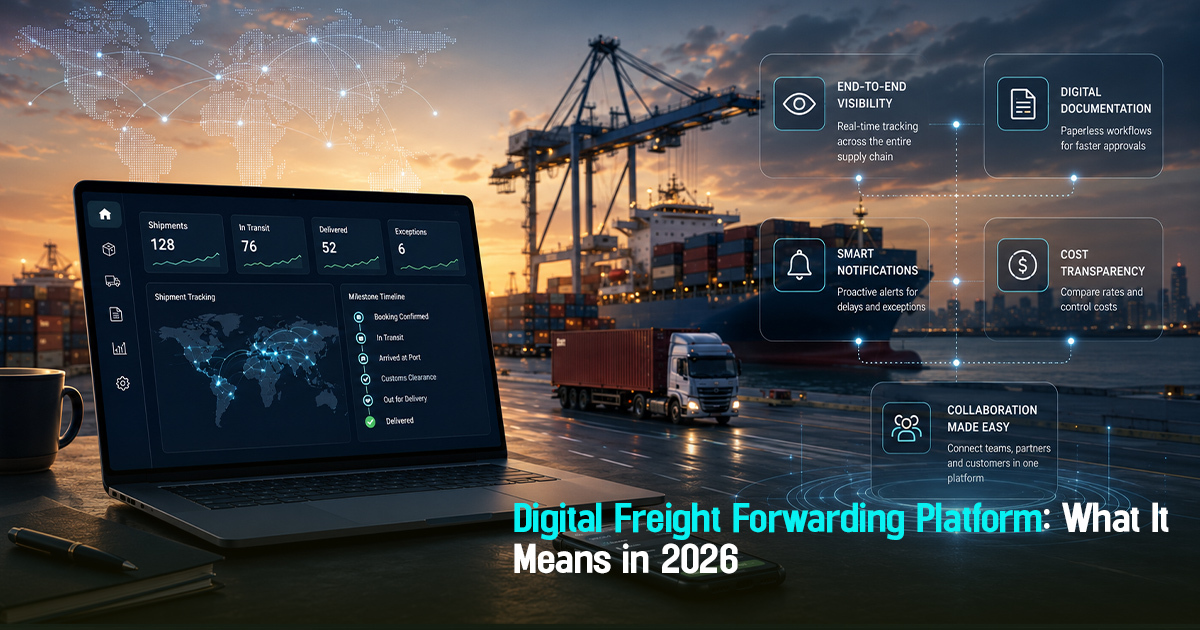
Digital Freight Forwarding Platform: What It Means in 2026


5 Minutes
A digital freight forwarding platform in 2026 is a centralized, technology-driven system designed to streamline freight procurement, shipment tracking, carrier coordination, documentation management, and customer communication in a single interface. This operational clarity matters because freight teams face increasing complexity from multi-carrier shipments, documentation delays, and real-time visibility demands. This article explains the practical workflows and processes freight forwarders, importers, exporters, and logistics managers must understand to harness these platforms effectively and improve freight operations execution with clear, structured control.
What is a Digital Freight Forwarding Platform?
A digital freight forwarding platform centralizes the management of freight operations into one software system providing end-to-end visibility, structured procurement, and real-time shipment control. It integrates carrier data, vendor comparisons, booking workflows, and documentation processes to reduce manual coordination and operational friction.
Operationally, it eliminates scattered information across emails, portals, and spreadsheets and replaces them with a single source of truth for shipment milestones, exceptions, and freight rates. This focus on structured workflows and exception-first management reduces delays, improves auditability, and enhances customer communication.

A Practical Workflow Framework for Digital Freight Forwarding
Understanding the typical workflow helps teams adopt digital platforms systematically. Key stages include:
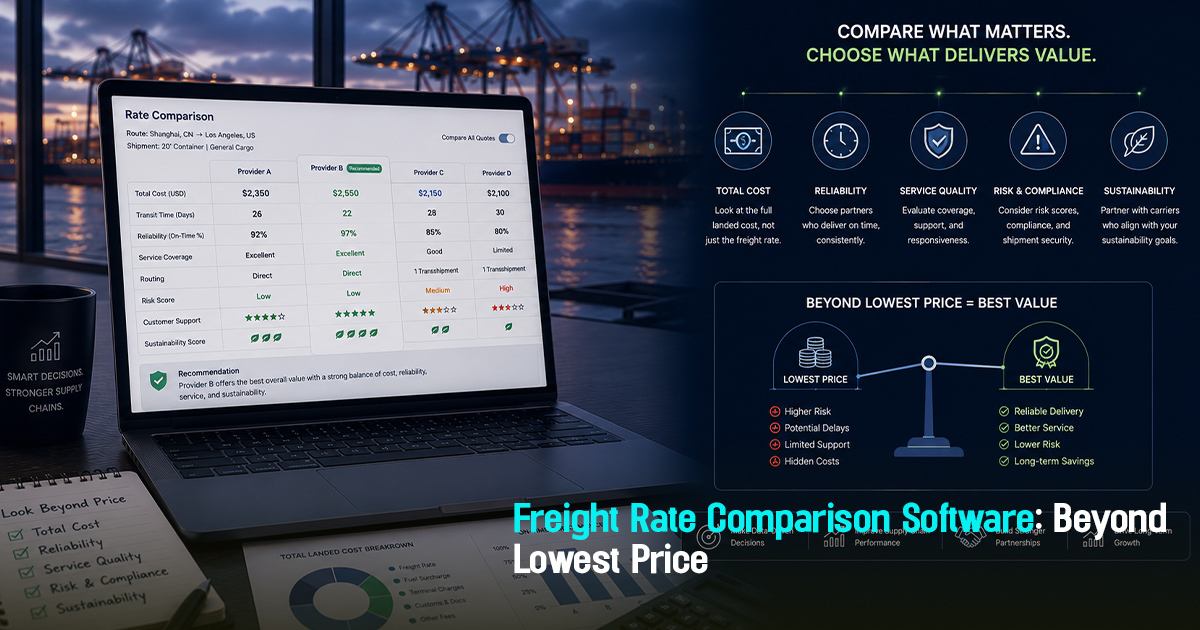
1. Rate Request and Vendor Comparison: Procurement teams initiate rate requests within the platform to collect quotes under standardized terms, ensuring fair vendor comparison and visibility of accessorial charges.
2. Quote Validation and Approval: Quotes are assessed for routing, transit times, and cost components. Approval discipline is enforced with audit trails before booking to prevent unauthorized shipments.
3. Booking and Documentation Handoffs: Once approved, bookings are created with carrier coordination and documentation task assignments. Digital handoffs ensure no shipment proceeds without all required documents validated.
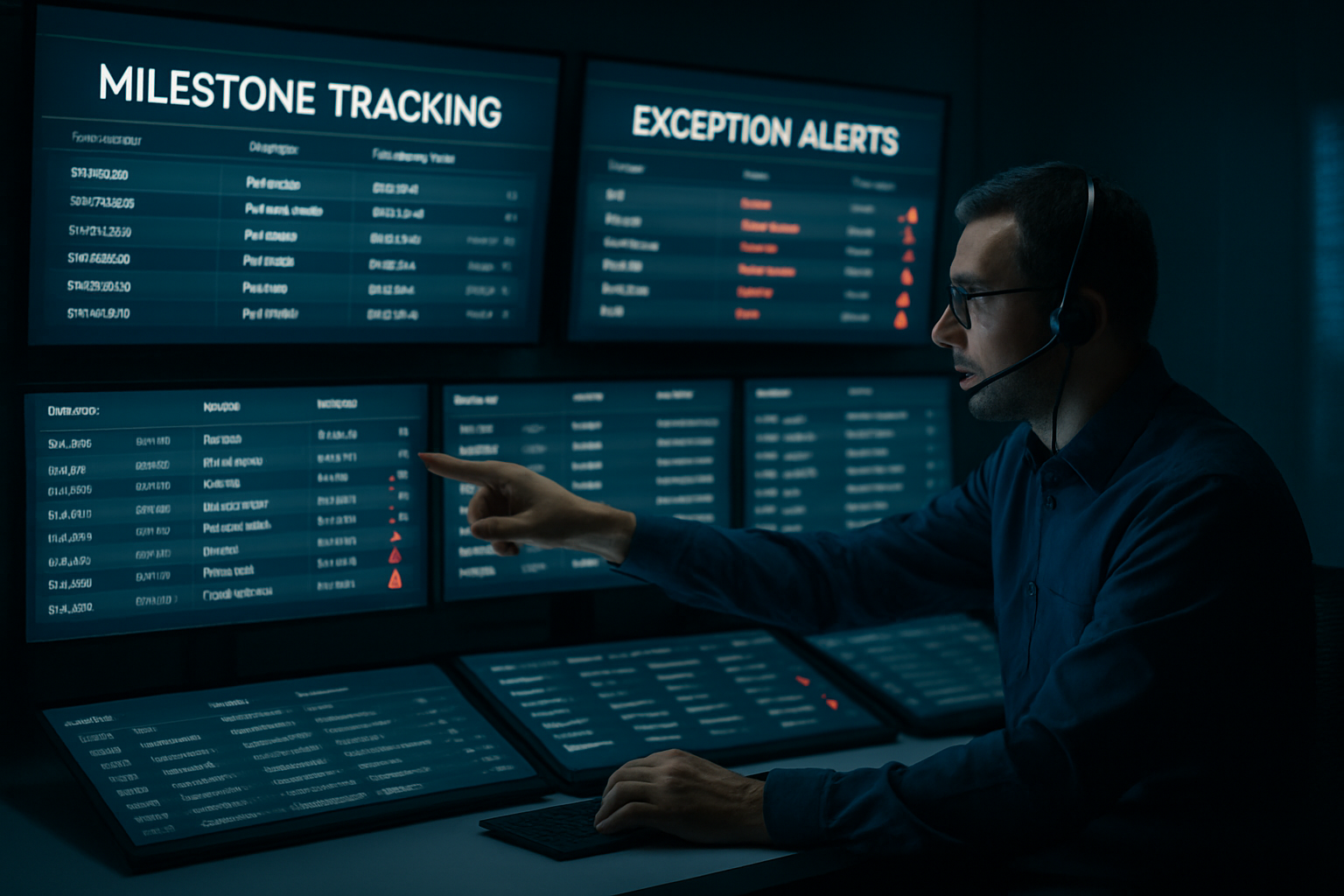
4. Shipment Visibility and Milestone Tracking: The platform centralizes ETAs, ETDs, carrier milestones, and exception flags in real time, providing teams with a clear operational overview and early warnings of delays.
5. Exception Handling and Customer Communication: Any deviations or documentation issues trigger exception workflows with clear ownership and proactive updates sent to customers, avoiding escalations.
6. Delivery Confirmation and Audit: Post-delivery, the platform captures proof of delivery and supports freight audit processes, enabling feedback loops for vendor and carrier performance review.
This end-to-end workflow supports operational clarity and reduces risks related to visibility gaps, cost overruns, and compliance delays.
Role-Wise Guidance on Using a Digital Freight Forwarding Platform
Different teams derive targeted value and control from digital platforms. For freight forwarders, it means coordinating carrier bookings, monitoring milestones centrally, and managing exception ownership seamlessly.
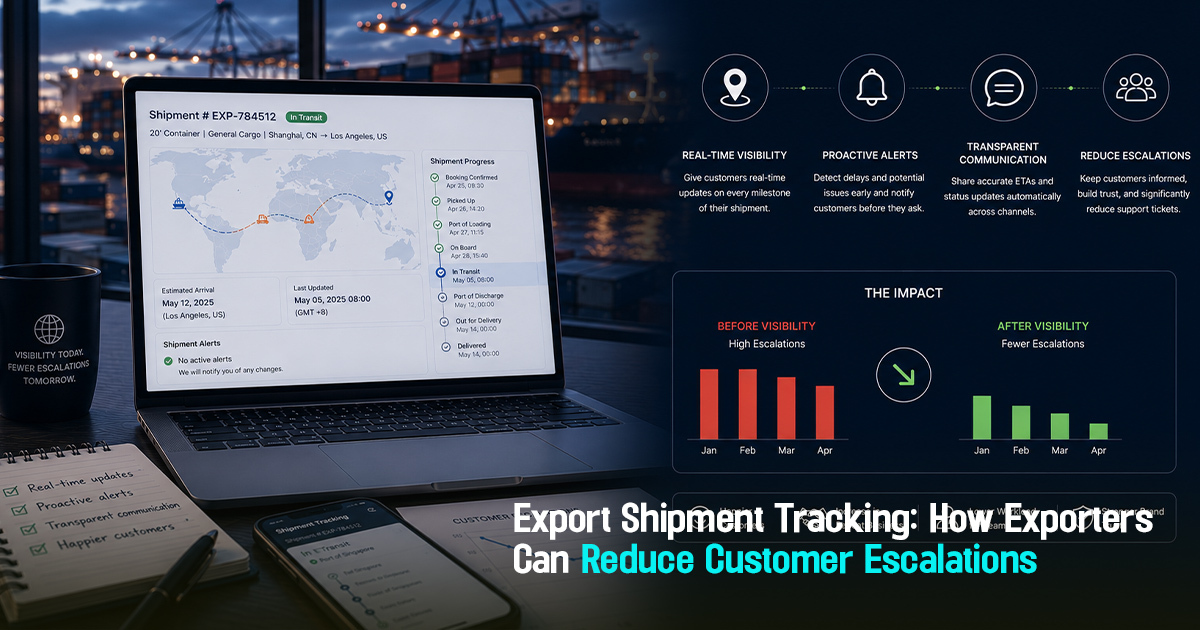
Importers and exporters gain by tracking shipment stages and receiving timely updates on ETA/ETD changes and documentation readiness. Operations teams focus on exception-first workflows and milestone compliance, while procurement teams ensure rate approvals, vendor comparisons, and auditability are enforced flawlessly. Documentation teams benefit from digitized handoffs, customs checkpoint tracking, and delay prevention workflows, while customer service teams use visibility data to proactively update clients and reduce escalations.
Stage-Wise Breakdown: Before, During, and After Shipment with a Digital Platform
Breaking down the freight forwarding stages clarifies where platform features support operational discipline. Before shipment, teams validate quotes, finalize routing, and confirm documentation readiness to prevent errors.
During shipment, real-time tracking of milestones, ETAs, and exceptions allows teams to take timely corrective actions and communicate changes promptly. After shipment, delivery confirmation, freight audit, and vendor feedback close the loop, ensuring continuous improvement.
Examples of Digital Freight Forwarding Impact in 2026 Operations
Example 1: A freight forwarder reduces manual portal checks by consolidating multiple carriers’ data into one platform, saving hours daily on shipment status updates.
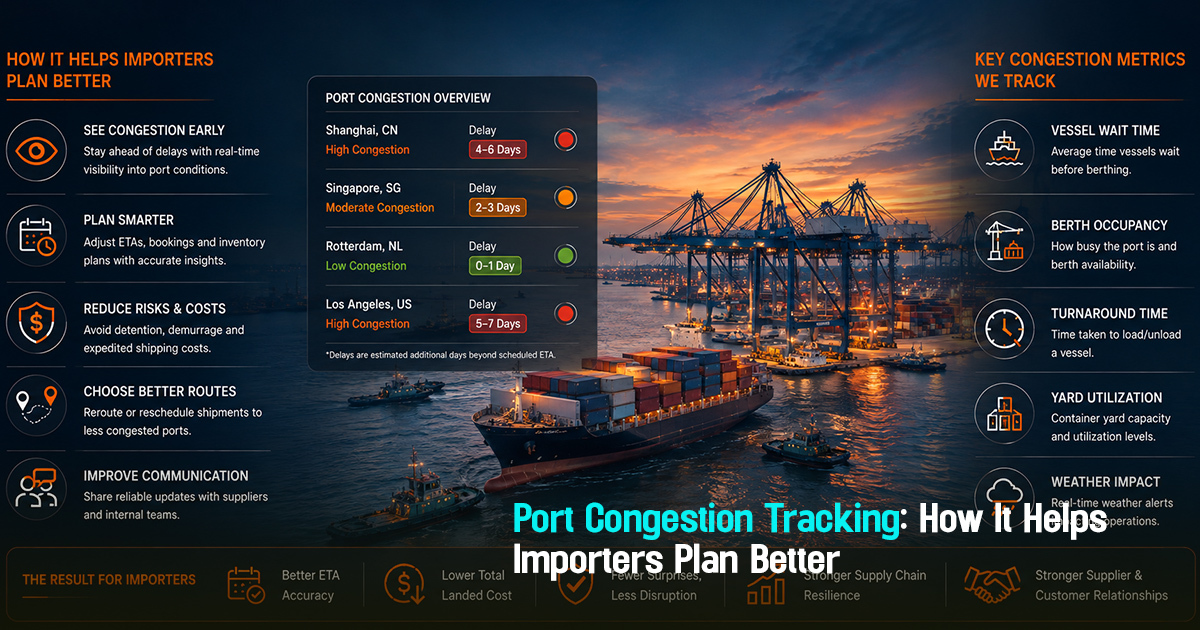
Example 2: An importer avoids demurrage charges by receiving automated exception alerts linked to ETA changes and container release documentation delays.
Example 3: A procurement team prevents cost leakage by verifying accessorial charges during the digital quote validation step, rather than relying on lowest headline rates alone.
Operational clarity through centralized freight visibility cuts delays and reduces follow-ups effectively.
Practical checklist
Teams can use this checklist immediately to assess digital freight forwarding platform effectiveness:
1. Are all vendor quotes captured and compared under consistent terms within the platform?
2. Is there a structured approval workflow with audit trails before booking shipments?
3. Are shipment milestones and ETAs/ETDs updated in real time with centralized visibility?
4. Are exceptions automatically flagged and ownership assigned to ensure timely resolution?
5. Is there a clear documentation validation and handoff process linked to customs checkpoints?
6. Are customer updates triggered proactively based on shipment status and exception alerts?
7. Does the platform support end-of-shipment audit with delivery confirmation capture?
8. Are carrier follow-ups and vendor communications logged and manageable within the system?
9. Is accessorial cost visibility part of the procurement to payment workflow?
10. Are recurring exceptions analyzed periodically for process improvement?
Common mistakes
1. Manual Follow-Ups Across Multiple Portals: This wastes time and increases error risk. Fix by consolidating carrier and vendor data into one platform for centralized tracking and communication control.
2. Approving Quotes Without Accessorial Cost Checks: Missing hidden fees leads to cost overruns. Fix by enforcing digital quote validations comparing all charges, not just headline rates.
3. Lack of Exception Ownership: Delays escalate when no single person is responsible for issues. Fix by assigning exceptions within the platform with clear accountability for resolution timelines.
4. Documentation Delays Due to Poor Handoffs: Missing or late documents stall customs clearance. Fix by digitalizing document workflows with validation checkpoints and alerts before shipment milestones.
5. Customer Updates Only After Escalation: Waiting too long damages trust and causes unnecessary complaints. Fix by implementing proactive, milestone-based communication triggered automatically by the platform.
A Frayto-Aligned Workflow for Digital Freight Forwarding
This workflow highlights the core value of structured freight management: Rate Request → Vendor Comparison → Approval → Booking → Shipment Tracking → Exception Closure. Each step integrates discipline through centralized visibility, audit trails, and exception-first communications, enabling teams to manage complexity with operational clarity and reduce reaction times to issues.
Why Freight Forwarders, Importers, and Exporters Benefit from Digital Platforms
Freight forwarders gain by simplifying carrier coordination, reducing manual portal dependencies, and improving exception management workflows under one roof. Visibility gaps shrink as real-time milestone data enables them to communicate trustworthy updates proactively.
Importers and exporters monitor shipment status across all legs, ensuring documentation readiness for customs and avoiding frequency of detention and demurrage, which are frequent cost leaks in traditional workflows. Customer communication improves with automated, decision-ready updates.
Frequently Asked Questions
Get in Touch!
We'll reach out shortly with the info you need. No spam, just a helpful conversation.


For Exporters & Importers
For Freight Forwarders
© 2026 Frayto. All Rights Reserved.