


Solutions
For Exporters & Importers

For Freight Forwarders and Logistics Service Providers
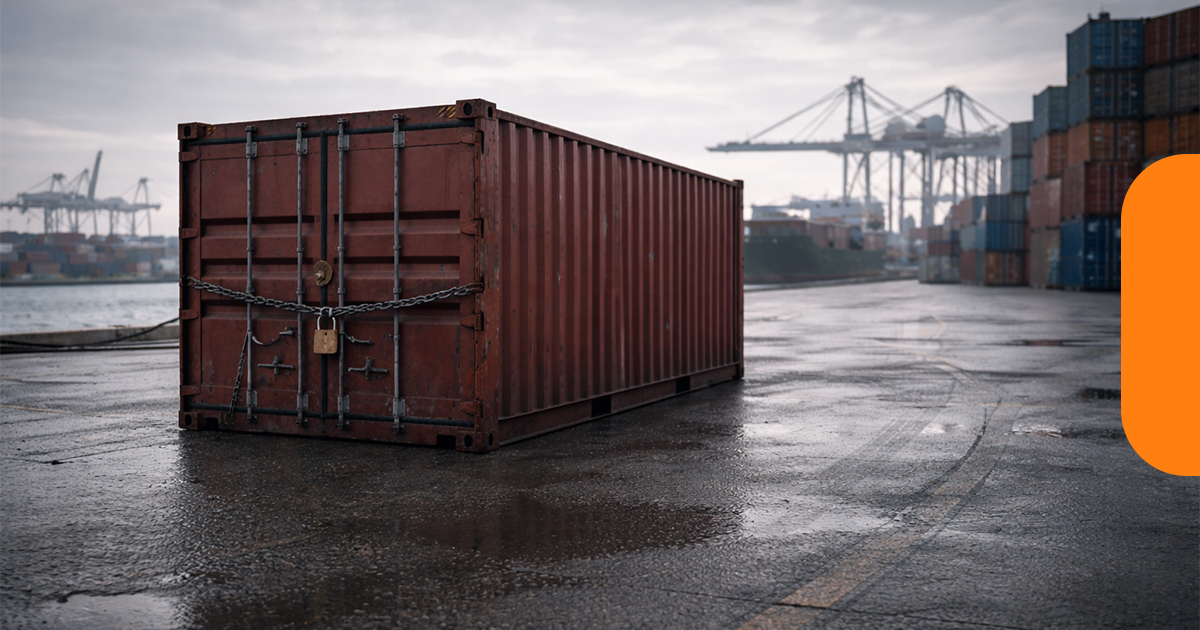
Detention and Demurrage: The Hidden P&L Leak


4 Minutes
Detention and demurrage charges often surface as unexpected freight cost overruns, quietly eroding operational profitability and clouding supply chain clarity.
Understanding detention and demurrage
Detention and demurrage are fees imposed by carriers when cargo exceeds free time allowances—detention for container use outside terminals, demurrage for cargo held within the terminal. These charges directly impact freight costs but are often misunderstood in operations teams.
In routine workflows, identifying the timing triggers that start detention and demurrage calculations is critical. This clear understanding helps operations managers minimize unnecessary charges through proper scheduling and improved cargo readiness.
Key operational triggers for charges
Carriers apply free time to both the terminal storage period and the period when containers are outside the terminal but not returned. Awareness of these free time limits and how they vary by carrier and port is essential in managing shipment timelines.
Without operational visibility on ETD (Estimated Time of Departure) and ETA (Estimated Time of Arrival), freight forwarders can inadvertently miss critical cutoff points, triggering avoidable detention or demurrage costs—a significant risk when global congestion shifts schedules unpredictably.
Impact on procurement and budgeting
Freight procurement teams face challenges incorporating detention and demurrage risk into contractual terms, especially when carrier free times and fees lack transparency. A well-structured procurement process with visibility on these fees limits unexpected P&L exposure.
Operational teams benefit from having predefined parameters to escalate potential detention incidents back to procurement, enabling timely negotiation adjustments or contingency planning—ensuring budget discipline aligned to actual risk.
Visibility on shipment status and exceptions
End-to-end shipment tracking platforms offer a single source of truth on cargo position relative to free time expiry. Deviation alerts provide operations managers with early warning to address detention risks before they crystallize as costs.
For example, if a container remains on consignee premises beyond allotted free time, flagging this early in the workflow allows coordinated action between logistics, customs, and warehouse teams, reducing expensive demurrage invoices.
Role of documentation in cost control
Timely and accurate documentation such as bills of lading, customs clearance papers, and delivery receipts supports smooth gate passes to prevent detentions. Having digitized documentation workflows ensures real-time updates to all stakeholders.
Delayed paperwork can cause terminal bottlenecks or container hold-ups, translating directly into detention charges. Aligning document management processes with freight tracking data tightens operational control.
Effective coordination between stakeholders
Visible detention and demurrage status must be shared across freight forwarders, consignees, carriers, and customs authorities to facilitate prompt resolution. Collaborative communication protocols embedded in operational platforms reduce the chance of oversight.
For instance, automated exceptions dashboards help operations managers track container return deadlines and instantly notify responsible parties, increasing accountability and reducing cost-incurring delays.
Common mistakes
A frequent error in handling detention and demurrage is treating these fees as after-the-fact issues rather than integrating control earlier in shipment workflows. Ignoring early attention leads to reactive cost management and unclear operational responsibility.
Additionally, failure to monitor updated free time rules across different ports or carriers causes overlooked exposures. This lack of continuous compliance monitoring invites unnecessary financial leakage.
Practical checklist
Start with verifying carrier free time allowances and documenting these in your contract terms to ensure clear cost responsibilities. Incorporate these checkpoints early in procurement and operations processes to reduce surprises.
Maintain real-time tracking with alerts for approaching free time expiration and have contingency plans for quick container returns or document clearance. Set roles clearly for escalation based on shipment status to ensure accountability.
Leveraging technology for control
Digital freight management platforms with integrated detention and demurrage tracking enable centralized visibility on risk points. These systems support workflow automation for alerts and reporting, reducing manual error and increasing efficiency.
Operational teams benefit from up-to-date dashboards highlighting exceptions and cost implications, enabling data-driven decisions to optimize shipment handling before penalties arise.
Adapting to regulatory and market changes
Port congestion, regulatory shifts, and carrier policy updates influence detention and demurrage conditions. Maintaining ongoing monitoring of these external factors ensures operations teams can adjust processes and communicate impacts promptly.
For example, adapting workflows during peak congestion periods or known labor disputes can anticipate delays, allowing adjustments in shipment scheduling and reducing unexpected charges.
Conclusion
Detention and demurrage represent persistent, often hidden risks that can undermine freight profitability if not managed with operational precision. A structured approach emphasizing visibility, process integration, and early exception management is critical to safeguarding margins. Supply chain teams who embed detention and demurrage monitoring within their shipment tracking and procurement workflows secure a clear operational takeaway: proactive control reduces costly surprises and tightens freight cost management. By aligning stakeholder communication, documentation, and real-time tracking with evolving external conditions, logistics professionals convert detention and demurrage from reactive cost leaks into manageable operational variables, contributing to reliable and transparent global freight operations.
Get in Touch!
We'll reach out shortly with the info you need. No spam, just a helpful conversation.


For Exporters & Importers
For Freight Forwarders
© 2026 Frayto. All Rights Reserved.