


Solutions
For Exporters & Importers

For Freight Forwarders and Logistics Service Providers
Best Freight Forwarding Software India: A Practical Guide for Freight Forwarders in 2026


7 Minutes
The best freight forwarding software India in 2026 refers to comprehensive digital platforms that enable freight forwarders and logistics teams to manage shipment visibility, structured procurement, vendor coordination, documentation workflows, exception handling, and customer communication seamlessly. These solutions matter operationally because they reduce reliance on manual processes, improve transparency, minimize delays, and optimize cost control in complex Indian freight operations. This article offers a practical guide for logistics teams seeking to select, implement, and operate freight forwarding software tailored for India’s unique market challenges and freight workflows.
What Makes the Best Freight Forwarding Software for Indian Freight Forwarders in 2026?
The best freight forwarding software India integrates shipment tracking, freight procurement, carrier coordination, documentation workflows, and exception management in one centralized platform. These features address the common operational pain points Indian freight forwarders face, such as multi-carrier coordination, fragmented document control, and volatile ocean freight environments.
Operationally, such software enables logistics teams to maintain end-to-end shipment visibility, enforce approval discipline on procurement, automate milestone tracking, and communicate proactively with customers—all from a single control center. This avoids siloed tools, data inaccuracies, and missed ETA changes leading to costly delays or detention risks.

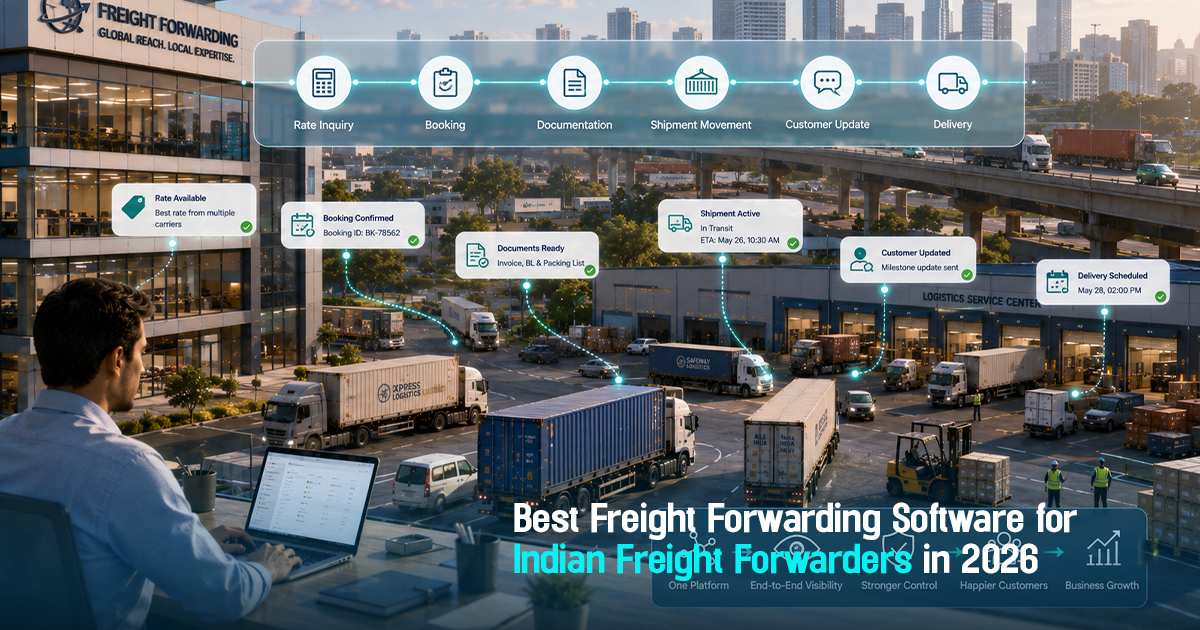
A Practical Freight Forwarding Software Workflow Framework
An effective freight forwarding software workflow for Indian freight forwarders includes the following 6 stages:
- Rate Request and Vendor Comparison: Initiate requests for quotes from carriers and logistics vendors. The software must support side-by-side tariff comparison including accessorial charges and transit times.
- Approval and Booking: Capture procurement approvals next, ensuring managerial sign-off before confirming bookings. This step enforces rate validation and audit readiness.
- Documentation Management: Centralize document collection and validation workflows. Early capture of export/import documents prevents customs delays.
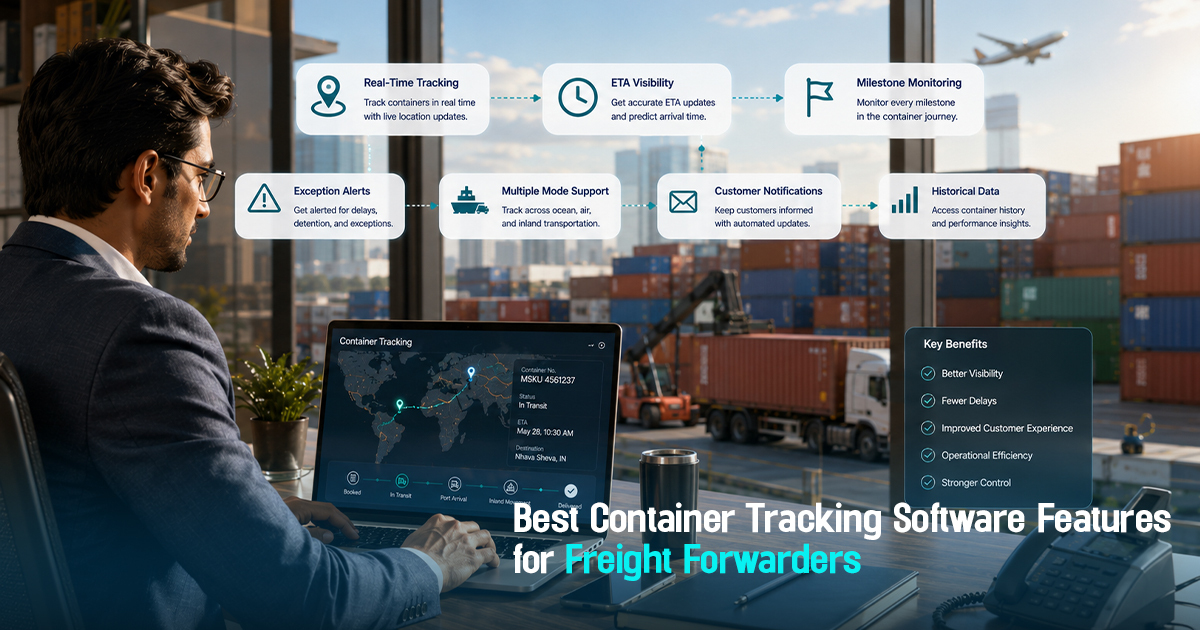
- Shipment Visibility and ETA/ETD Tracking: Track milestones from pickup to delivery using integrated carrier updates and ETD/ETA alerts. Visibility of exceptions is crucial here.
- Exception Handling and Carrier Coordination: Assign and monitor shipment exceptions such as delays or transshipment changes. Follow-up workflows ensure timely resolution.
- Customer Communication and Reporting: Generate automated status updates for clients, reducing manual follow-ups and improving trust through real-time information sharing.
Each stage builds operational clarity and saves time by structuring what traditionally are manual, scattered tasks, significantly reducing human errors and missed information.
Role-Wise Considerations When Choosing Freight Forwarding Software
Freight forwarders need software capable of multi-carrier tracking, milestone visibility, and exception ownership, ensuring end-to-end shipment control.
Importers and exporters require transparency into shipment status, document validation, and timely updates for customs and delivery planning.
Operations teams must track ETA/ETD changes, manage documentation workflows, handle exceptions promptly, and coordinate across stakeholders efficiently.
Procurement teams focus on vendor comparison, rate validation, accessorial cost control, and rigorous approval processes enabled by the software.
Documentation teams benefit from centralized document repositories, version controls, customs checkpoint integration, and audit trails to avoid clearance delays.
Stage-Wise Implementation Breakdown for Freight Forwarding Software in India
Before Booking: Confirm vendor eligibility, validate routing, and align required document sets. Software support for document checklist automation reduces potential errors.
During Shipment: Use integrated carrier tracking for real-time milestone and ETA updates. Exception-first workflows help assign owners for delays or transit changes promptly.
Before Arrival: Ensure all documents are verified and customs workflows initiated. Preview potential detention risks through ETA monitoring to enable proactive mitigation.
After Delivery: Review delays, rate compliance, and vendor performance data stored in the system. This supports continuous process improvement and auditability.
Freight Forwarding Software Examples from Indian Freight Operations
Example 1: An Indian freight forwarder avoided demurrage charges by monitoring ETA deviations via software alerts, enabling prompt carrier follow-up.
Example 2: A procurement team reduced cost leakage by comparing vendor quotes with automated validations on accessorial fees and transit times before booking.
Example 3: The documentation team prevented shipment clearance delays using a centralized document repository that flagged missing export permits days before vessel arrival.
Visibility and structured workflows in freight software transform shipment execution from guesswork into operational clarity.
Practical checklist
When evaluating or implementing freight forwarding software, check for the following:
- Does the software support centralized shipment tracking with ETA/ETD monitoring?
- Can rate requests and vendor quotes be compared side-by-side on consistent terms?
- Is there an approval workflow ensuring management sign-off before booking?
- Are document workflows integrated with customs checkpoint validations?
- Does the system alert teams to exceptions and assign ownership automatically?
- Are customer communication templates and status reports automated and customizable?
- Is audit logging enabled for procurement decisions and shipment updates?
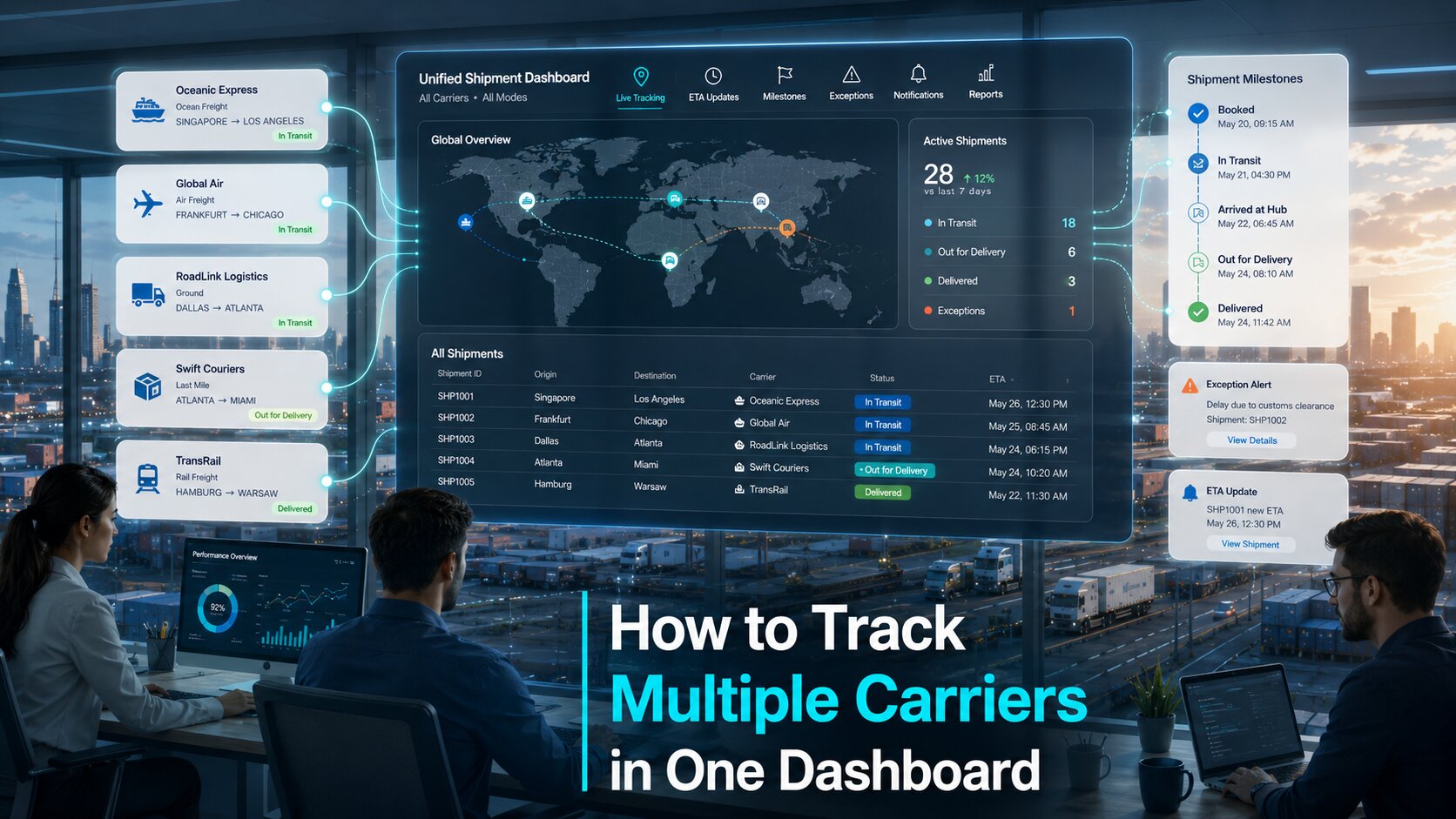
- Can multiple carrier updates be tracked on a single dashboard for end-to-end visibility?
- Does the platform allow integration or data import from existing carrier portals?
- Is user role management granular enough to separate responsibilities for procurement, operations, and documentation?
Common mistakes
1. Relying on multiple disconnected tools: This causes fragmented data and missed visibility. Fix by choosing integrated software that centralizes shipment tracking, procurement, and documentation.
2. Skipping procurement approval discipline: Without structured approval, teams face cost overruns from unchecked accessorials. Fix by implementing mandatory approval workflows before bookings.
3. Inadequate exception ownership: Missed assignment leads to unresolved shipment delays. Fix by using software that flags exceptions and assigns owners automatically.
4. Poor documentation control: Missing or late documents stall customs clearance. Fix by embedding document validation and customs checkpoint alerts within workflows.
5. Neglecting customer communication automation: Manual updates cause delays and customer dissatisfaction. Fix with automated, milestone-based status notifications.
A Frayto-Aligned Freight Procurement to Shipment Workflow
Frayto’s practical workflow exemplifies how rate request, vendor comparison, approval, booking, tracking, exception closure stages flow seamlessly in modern freight forwarding software. This ensures transparency during rate bidding, rigorous validation before booking, real-time shipment milestone tracking, automated exception alerts, and prompt customer updates.
In India’s dynamic freight market, adopting such structured workflows reduces cost leakage, limits detention risks, and improves operational clarity while keeping all stakeholders accountable through audit trails.
Why Freight Forwarders Need Centralized Freight Management Software in India
Centralized freight management solves the problem of fragmented communication across carriers, procurement teams, and customers. It combines shipment visibility, documentation, vendor coordination, and exception handling in one platform.
For example, Indian forwarders often juggle multiple carrier portals and WhatsApp groups leading to missed milestone alerts or late customer notifications. Centralizing these in one software reduces manual follow-ups and improves decision-making speed.
How to Choose the Right Freight Forwarding Software India in 2026
When selecting software, evaluate operational fit, not just features. Look for platforms that support the typical Indian freight cycles, such as managing complex customs clearance, multiple domestic carriers, ocean-vs-air transit nuances, and Indian regulatory compliance.
Critical decision factors include ease of integration with existing systems, user roles flexibility, strong audit trails for procurement decisions, shipment visibility depth, and exception-first operability. Avoid solutions lacking procurement approval workflows or comprehensive document management, which creates operational risks.
Comparison Insight: Freight Forwarding Software vs Traditional TMS
Traditional transportation management systems (TMS) often focus narrowly on carrier booking and routing, lacking integrated shipment visibility and exception workflows. Modern freight forwarding software for India extends beyond booking to operational clarity, including vendor comparison, document control, milestone monitoring, and customer updates.
Choosing comprehensive solutions helps Indian freight forwarders reduce manual follow-ups and avoid costly delays, unlike traditional TMS which may require multiple add-ons for visibility and coordination.
Conclusion
Choosing the best freight forwarding software India requires understanding operational workflows specific to Indian freight challenges, such as complex documentation, volatile ocean freight rates, and multi-carrier coordination. Structured procurement discipline, centralized shipment tracking with ETA/ETD monitoring, automated exception workflows, and proactive customer communication are essential components for modern freight management software. Embracing platforms that support these elements delivers practical operational clarity, cost control, and risk mitigation across all freight forwarding stages. For freight forwarders and logistics teams, investing time in evaluating software capabilities and aligning them to daily workflows ensures smoother shipment execution, fewer follow-ups, and higher customer trust. The operational takeaway is clear: strong software integration is no longer optional but a necessity to manage India’s growing and complex freight forwarding operations efficiently.
Get in Touch!
We'll reach out shortly with the info you need. No spam, just a helpful conversation.
Recommended Blogs

Freightstory Technologies Private Limited
A-209, Dynasty Business Park, JB Nagar,
Andheri East, Mumbai- 400059, India


For Exporters & Importers
For Freight Forwarders
© 2026 Frayto. All Rights Reserved.