


Solutions
For Exporters & Importers

For Freight Forwarders and Logistics Service Providers
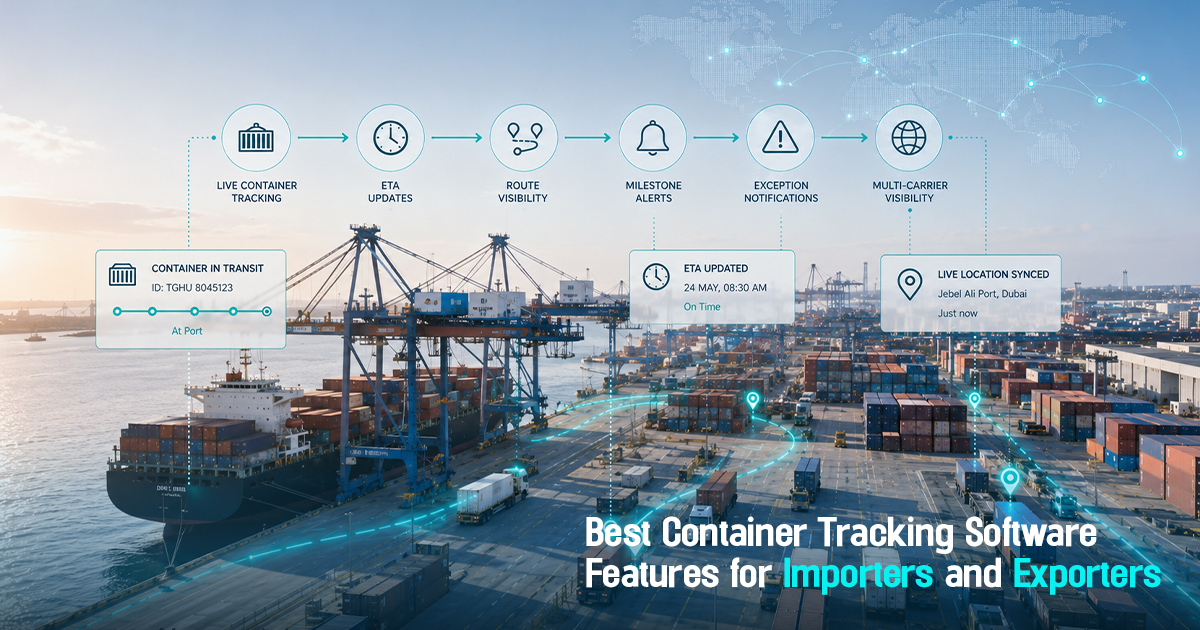
Best Container Tracking Software Features for Importers and Exporters


4 Minutes
Container tracking software is essential technology that importers and exporters use to gain operational clarity over ocean freight shipments. Effective tracking solutions improve real-time shipment visibility, reduce exceptions, and streamline vendor coordination — ultimately supporting better decision-making and risk mitigation in global trade. However, not all tracking systems deliver the same value in complex freight operations. This article details the best container tracking software features to ensure practical benefits for import–export logistics teams.
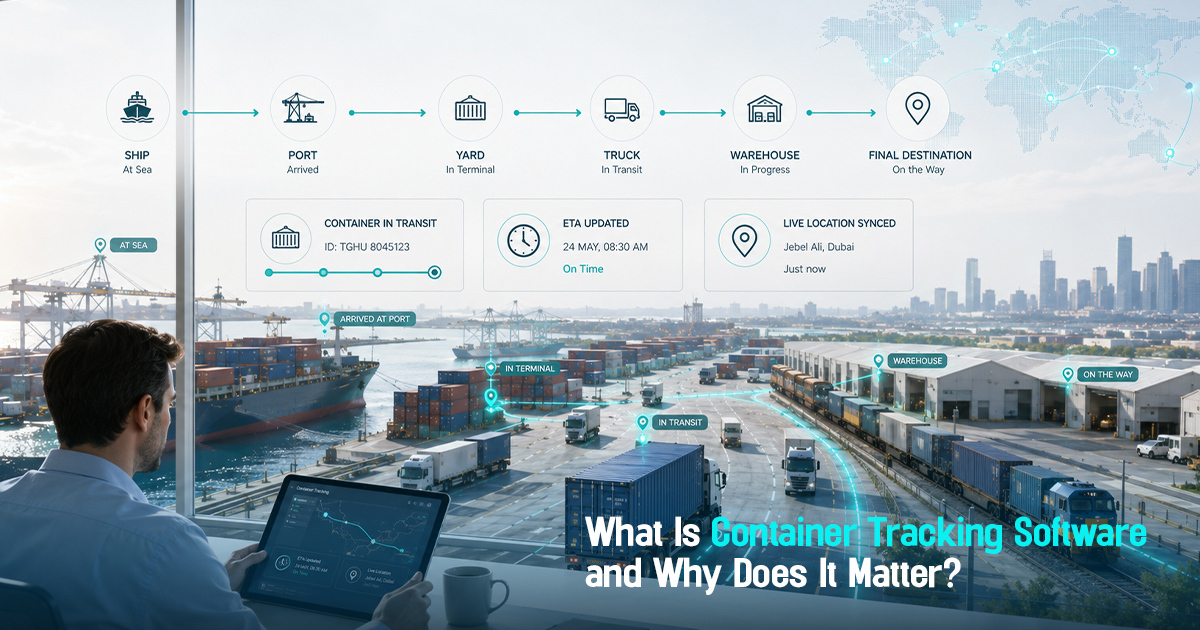
What is Container Tracking Software?
Container tracking software is a digital platform that provides real-time visibility into the location, status, and condition of ocean containers throughout the shipping lifecycle. It aggregates data from carriers, ports, and transport partners to deliver accurate shipment status updates and exception alerts.
This technology helps importers and exporters coordinate freight movement, manage documentation, and reduce risks such as detention, demurrage, and cargo misplacement by maintaining end-to-end visibility.
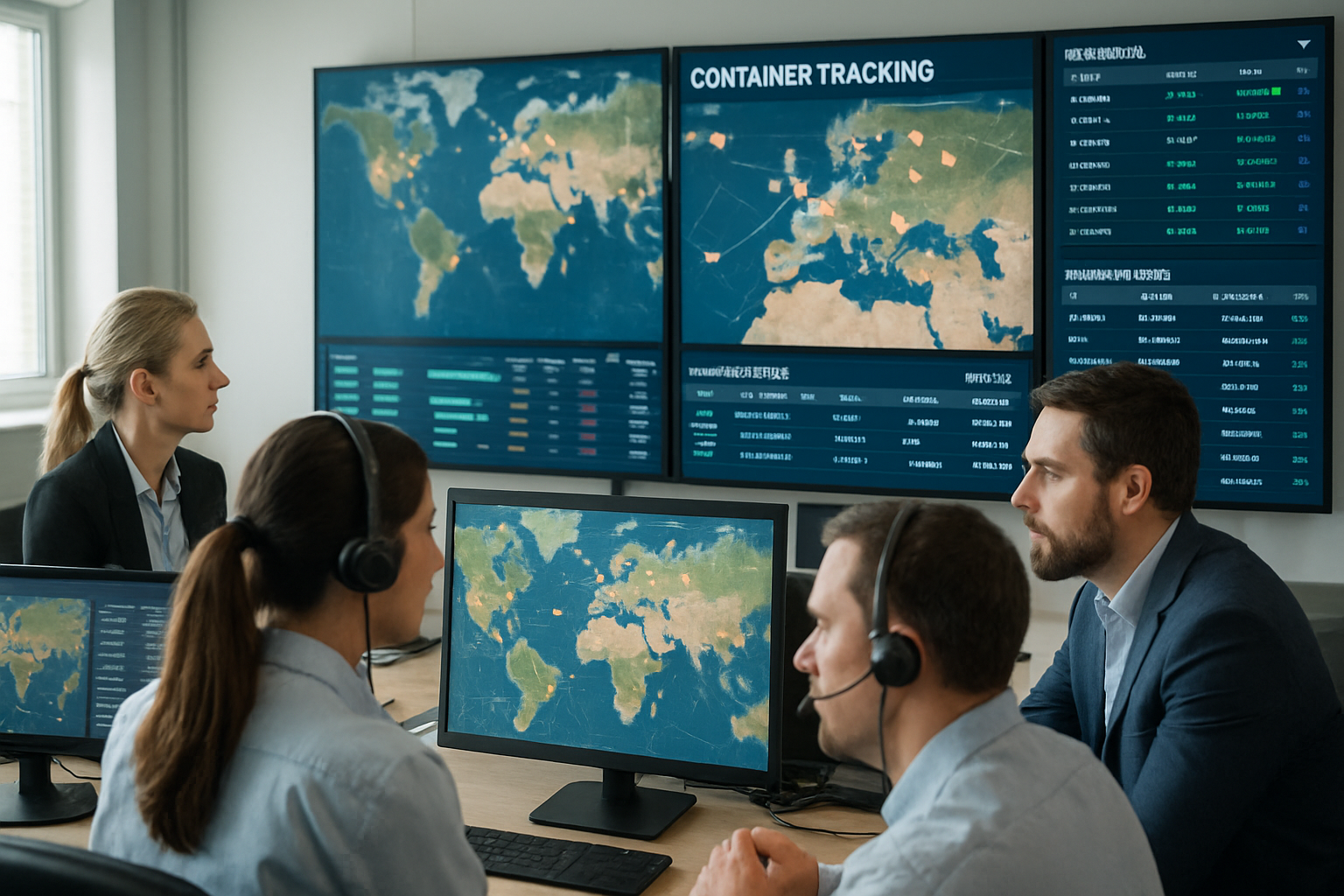
Key Features of the Best Container Tracking Tools
Top container tracking software offers a feature set that supports operational workflows and focuses on exception management. Critical functionalities include real-time status updates, multi-modal tracking, automated alerts for delays, and centralized document access.
These features enhance proactive communication with vendors and carriers, enabling teams to react quickly to anomalies such as missed ETAs or customs holds and maintain shipment integrity.
Why Real-Time Shipment Tracking Matters for Importers and Exporters
Real-time shipment tracking is a vital feature of container tracking software that gives importers and exporters continuous insight into the freight movement, from booking to delivery. This visibility minimizes guesswork and prevents costly delays such as detention or demurrage fees.
By leveraging accurate ETA and ETD milestones, operations teams improve their planning precision, adjust logistics flows efficiently, and enhance customer communication through timely shipment status updates.
Real-time visibility and automated alerts are essential to control shipping risks and improve operational decisions.
Practical Checklist: Evaluating Container Tracking Software
When selecting a container tracking system, verify it includes these essential features that support importers’ and exporters’ operational requirements:
- Real-time location updates with GPS and carrier data integration
- Multi-carrier and multi-modal tracking capabilities
- Automated exception alerts for delays, customs clearance, and handling issues
- Centralized document management for bills of lading, customs forms, and compliance papers
- Dashboard views tailored for import–export status monitoring
- Mobile access and user-friendly interface for field and office teams
- Integration with procurement and freight management workflows
This checklist ensures operational teams maintain visibility, reduce manual follow-ups, and stay compliant with regulatory checkpoints.
Common Mistakes When Using Container Tracking Software
Importers and exporters often face challenges like relying solely on static updates, underutilizing automatic exception alerts, or neglecting document integration. These mistakes reduce the software’s effectiveness in freight visibility and operational control.
Another common issue is failing to incorporate tracking data into broader workflows, such as procurement and vendor coordination, which leads to increased delays, communication gaps, and difficulty managing detention risks.
Understanding Ocean Container Tracking and Its Limitations
Ocean container tracking is specialized to monitor sea freight movements, often relying on carrier updates and port transmission systems. While it offers crucial milestone visibility, challenges remain with data latency and incomplete handoffs during inland transport segments.
Importers and exporters should combine ocean container tracking with inland and last-mile tracking tools to ensure seamless end-to-end visibility, which improves exception detection and operational coordination.
Comparing Manual vs Automated Container Tracking Workflows
Manual tracking relies heavily on frequent follow-ups, phone calls, and scattered data sources, which increases the risk of missed updates and delayed responses. In contrast, automated tracking workflows collect and process data continuously, triggering exception alerts and integrating with other freight operations.
Automated systems support structured workflows, improving auditability, speeding up decision-making, and reducing detention and demurrage exposure by alerting teams before issues escalate.

How Container Tracking Software Benefits Importers Operationally
Tracking software benefits importers by providing operational visibility into complex freight flows, allowing for improved vendor coordination, documentation control, and proactive exception handling. Its structured data drives better procurement decisions and shipment control.
By having clear shipment status updates and alerts, importers avoid costly delays, improve resource planning at warehouses, and enhance transparency in customer communications. Integrating tracking data into freight procurement and management platforms further streamlines workflows and reduces friction.
Conclusion
Effective container tracking software is more than a simple location tool—it is a critical operational resource for importers and exporters navigating complex global freight challenges. The best tracking solutions deliver real-time visibility, exception alerts, and integrated document management, enabling teams to anticipate problems and act decisively. By embedding tracking within structured freight workflows and procurement cycles, logistics operations can significantly reduce detention and demurrage risks, improve vendor coordination, and maintain compliance with customs procedures. Operational clarity gained through these tools supports informed decision-making, enhanced communication, and smoother shipment execution. For importers and exporters striving to control costs and minimize disruptions, investing in robust container tracking software tailored to ocean and inland logistics environments is fundamental in today’s competitive trade landscape. Consistent shipment status updates and the integration of tracking data across freight management platforms transform reactive operations into proactive processes that matter.
For additional understanding about container tracking technology and its global impact, visit resources provided by the United Nations Conference on Trade and Development, International Maritime Organization, and FIATA.
Get in Touch!
We'll reach out shortly with the info you need. No spam, just a helpful conversation.
Freightstory Technologies Private Limited
A-209, Dynasty Business Park, JB Nagar,
Andheri East, Mumbai- 400059, India


For Exporters & Importers
For Freight Forwarders
© 2026 Frayto. All Rights Reserved.