


Solutions
For Exporters & Importers

For Freight Forwarders and Logistics Service Providers
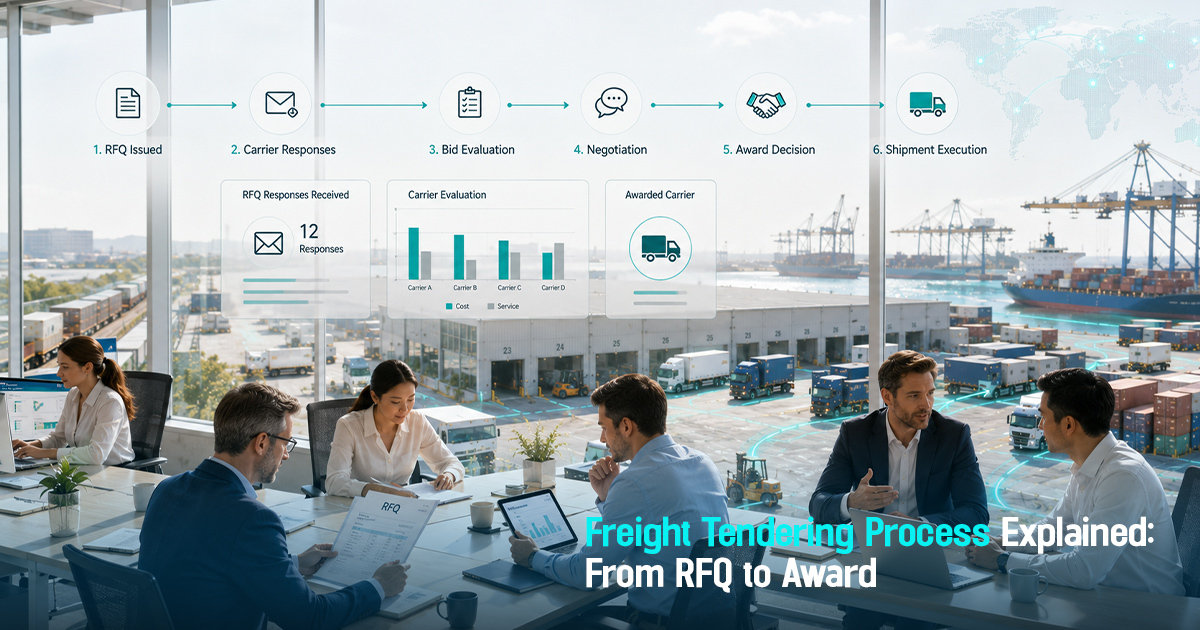
Freight Tendering Process Explained: From RFQ to Award


4 Minutes
The freight tendering process is a critical component of freight procurement that outlines the workflow from issuing a Request for Quotation (RFQ) to awarding a freight contract. Operationally, this process directly impacts cost control, vendor reliability, and shipment execution efficiency, making it essential for logistics teams to manage tendering with precision and clarity. Poorly executed tendering can cause delays, inflated costs, and missed compliance checkpoints, so understanding the practical steps involved helps teams maintain operational discipline and freight visibility across sourcing and contracting phases.
What is the Freight Tendering Process?
Freight tendering is a staged procurement process in which freight forwarders or logistics teams invite qualified carriers to submit bids for transporting shipments. It involves issuing RFQs, collecting offers, evaluating bids, and formally awarding contracts based on operational requirements and cost objectives.
This process ensures transparency in freight sourcing and secures optimal carrier rates while aligning service capabilities with shipment needs. Managing tendering systematically promotes better vendor coordination and reduces risks related to shipment delays or misaligned contract terms.

Key Stages in Freight Tendering
Structured freight tendering typically follows these essential stages: RFQ preparation, carrier invitation, bid submission, bid evaluation, negotiation, and contract award. Each stage requires careful management and clear communication.
Successful tendering workflows rely on timely sharing of shipment details, compliance with documentation standards, and centralized tracking of responses to prevent operational blind spots that can lead to delays or suboptimal cost outcomes.
Practical checklist
To execute the freight tendering process effectively, consider the following practical steps:
- 1. Define shipment requirements clearly including volume, weight, delivery timelines, and special handling needs.
- 2. Develop and distribute a comprehensive RFQ that covers scope, service terms, and compliance expectations.
- 3. Invite qualified carriers to bid and set clear deadlines for submission.
- 4. Collect and organize bid responses in a centralized system for transparency.
- 5. Evaluate bids systematically, balancing cost against service reliability and carrier performance history.
- 6. Engage in negotiation to clarify contract terms and confirm service level agreements.
- 7. Award contracts with documented approvals and ensure all compliance checks are complete.
- 8. Communicate awards internally and with carriers to align expectations and start operational planning.
Following this checklist helps reduce invoice disputes, improves supplier relationships, and supports proactive shipment tracking from procurement through delivery.
Common mistakes
Common errors in freight tendering include incomplete RFQs, unclear evaluation criteria, and poor documentation controls. These mistakes increase risks of delays, non-compliance, and elevated freight costs.
For example, omitting detailed shipment characteristics can cause carriers to under or over-price bids leading to contract renegotiation or service failures. Similarly, ignoring performance data in bid evaluations may result in selecting lower-quality carriers, affecting delivery schedules and customer satisfaction.
Clear, structured tendering workflows reduce risks and ensure better freight procurement outcomes.
Bid Evaluation and Freight Contract Negotiation
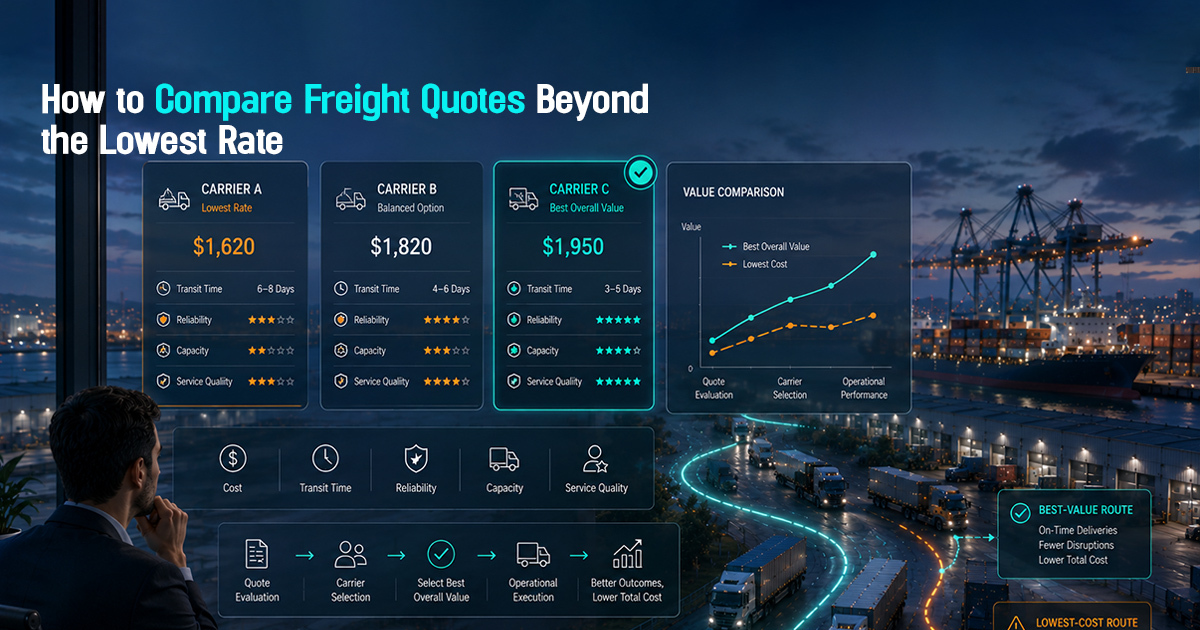
Evaluating freight bids involves analyzing pricing, carrier capabilities, contract terms, and risk factors. This analytical phase ensures choice of the best overall value, not just the lowest cost offer.
In developing contract terms, logistics teams should clarify responsibility for detention, demurrage, liability clauses, and service level requirements to avoid costly operational exceptions downstream. Robust negotiation sets clear expectations and enforces compliance, supporting consistent freight management.
Coordination and Documentation for Freight Tendering
Effective communication with carriers and clear documentation are crucial during tendering to ensure all parties understand scope and timelines. Documentation includes RFQs, bid submissions, contract terms, and compliance checklists.
Maintaining centralized records improves auditability and supports exception handling in operations, preventing costly detentions or delivery delays due to documentation gaps or misaligned expectations.
Integrating Tendering with Freight Procurement Operations
Integrating freight tendering into wider procurement workflows enhances visibility, cost control, and exception management. This includes linking tender outcomes to shipment planning, tracking, and invoice audit processes.
Structured workflows connecting tendering to execution support timely follow-ups, early detection of deviations, and proactive coordination with carriers, helping avoid detention and demurrage costs.
Technology Role in Optimizing the Freight Tendering Process
Leveraging procurement technology helps automate RFQ distribution, bid tracking, and evaluation. This reduces manual errors and improves decision-making speed and accuracy.
Platforms that centralize freight sourcing data can provide audit trails and reporting that enhance compliance discipline. This supports better governance around award decisions and easier documentation management.

Conclusion
Understanding and executing a structured freight tendering process is essential for achieving operational clarity, cost control, and supplier accountability in freight procurement. A disciplined approach to RFQ preparation, bid evaluation, and contract negotiation minimizes risks related to shipment delays, documentation inconsistencies, and unexpected fees such as detention or demurrage. Integrating tendering tightly with shipment planning and tracking workflows further enhances visibility and responsiveness, enabling operations teams to manage exceptions proactively and maintain service levels. Practical use of centralized record-keeping and technology-driven automation strengthens auditability and decision accuracy. Investing time and resources in refining the freight tendering workflow pays operational dividends through improved vendor coordination, lower procurement costs, and more reliable freight execution.
For teams looking to streamline their freight procurement cycle, it’s crucial to balance speed and thoroughness across tender stages. Consistent documentation and clear communication help avoid misunderstandings that can disrupt operations. With the freight industry facing dynamic challenges such as regulatory changes and congestion, a well-managed tendering process supports resilient and efficient freight management overall. External references that offer industry guidelines include UNCTAD and FIATA.
Get in Touch!
We'll reach out shortly with the info you need. No spam, just a helpful conversation.
Recommended Blogs
Freightstory Technologies Private Limited
A-209, Dynasty Business Park, JB Nagar,
Andheri East, Mumbai- 400059, India


For Exporters & Importers
For Freight Forwarders
© 2026 Frayto. All Rights Reserved.