


Solutions
For Exporters & Importers

For Freight Forwarders and Logistics Service Providers
AI Applications in Logistics: Practical Use Cases for Freight Teams


5 Minutes
AI applications in logistics refer to the use of artificial intelligence technologies to improve freight operations, including tracking, procurement, vendor coordination, and exception handling. Operationally, leveraging AI can reduce manual workload, enhance shipment visibility, and speed decision-making, which are critical for managing complex freight workflows efficiently. However, many logistics teams face challenges in selecting and implementing AI tools that offer clear operational benefits rather than just technological novelty.
Defining Agentic AI in Freight Management
Agentic AI in freight management is AI software capable of autonomous decision-making and execution within defined operational parameters. Unlike basic automation, agentic AI can manage complex workflows by anticipating exceptions, recommending next steps, and interacting with multiple systems or stakeholders.
This capability is especially important in freight operations, where unpredictability such as shipment delays, documentation gaps, and vendor coordination require flexible and timely responses. Agentic AI adds operational value by reducing reaction times and improving consistency across freight management processes.

Key AI Applications in Logistics today
AI applications in logistics include shipment tracking optimization, automated document processing, demand forecasting, and carrier selection. By embedding AI into these functions, freight teams gain better visibility and operational control.
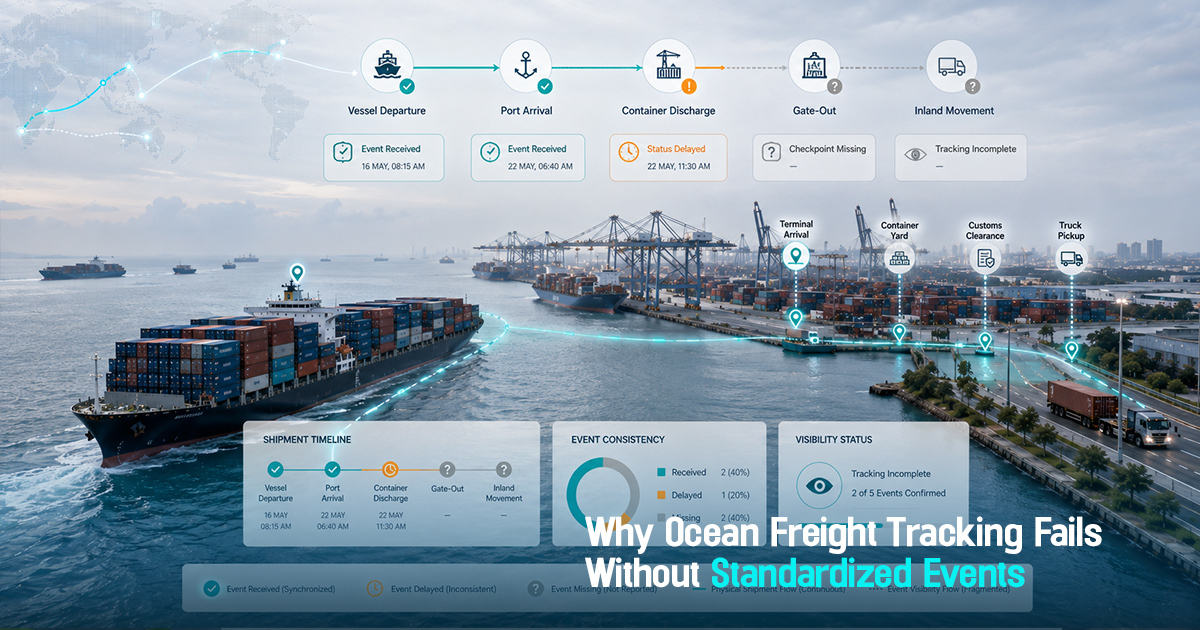
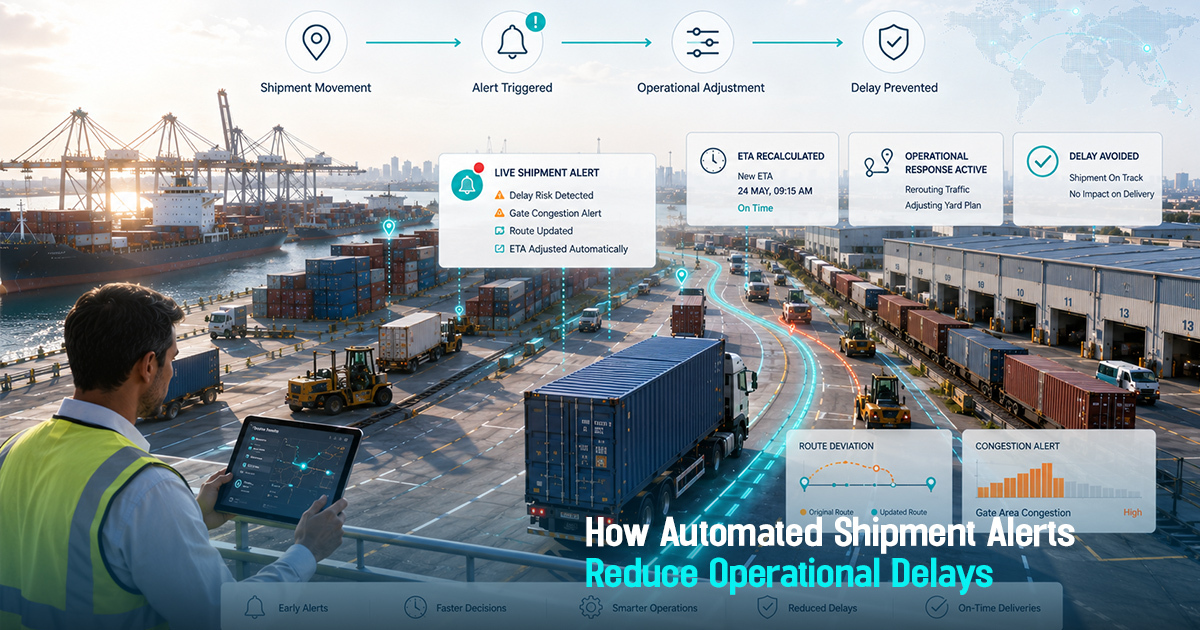
For example, AI-powered tracking systems analyze real-time data to identify delays or route deviations early, allowing teams to initiate exception workflows before customer impact. Similarly, document AI can automatically validate and flag discrepancies to minimize compliance risks.
Agentic AI Use Cases for Freight Teams
Agentic AI extends basic automation by actively managing decision points across the freight lifecycle. Common use cases include:
• Automated exception handling: AI detects shipment risks and autonomously initiates communications and mitigations with carriers and vendors.
• Dynamic freight procurement: AI evaluates multiple carrier bids in real time considering cost, transit times, and reliability.
• Predictive demurrage management: AI forecasts potential detention and demurrage scenarios and suggests proactive booking adjustments.
• Multi-party coordination: AI orchestrates task handoffs and documentation approvals between importers, freight forwarders, customs, and warehouses.
Effective AI use requires clear workflows and ongoing human oversight to manage exceptions efficiently.
How AI Enhances Freight Operations Optimization
AI tools enable freight teams to shift from reactive to proactive operations by enhancing visibility and decision support. Real-time data integration and machine learning models allow for continuous monitoring and smarter prioritization of operational tasks. This focus on visibility-first workflows reduces delays, improves compliance, and lowers costs associated with exceptions such as detention.
Implementing AI also improves auditability by automatically logging decisions and communication steps. This makes it easier to identify process gaps and backtrack on exceptions while supporting compliance with shipping regulations and customer SLAs.
Practical checklist
Freight teams looking to apply AI effectively should focus on these key operational steps:
- Assess current workflows to identify bottlenecks and repetitive tasks suited for AI automation or agentic intervention.
- Choose AI tools that integrate with existing freight management systems and support real-time data visibility.
- Define clear decision boundaries and escalation protocols for AI to operate autonomously but within controlled limits.
- Train teams on AI outputs and ensure transparency to build trust in AI-managed workflows.
- Monitor AI performance continuously to catch errors, improve models, and adapt to changing operational conditions.
- Establish robust exception handling workflows with AI notifying human teams only when escalation is necessary.
Common mistakes
A frequent pitfall is treating AI as a one-size-fits-all solution rather than a tool to complement existing workflows. Overlooking clear operational goals and data quality issues often limits AI success and leads to frustration.
Another mistake is insufficient user training and transparency. Without understanding AI logic and limits, teams may distrust or override AI decisions unnecessarily, undermining efficiency. Lastly, failing to maintain human oversight for exceptions can cause costly delays or compliance gaps.
Agentic AI vs Traditional Automation
Traditional automation follows predefined rules to perform repetitive tasks such as data entry or status updates. In contrast, agentic AI can independently analyze complex situations and make informed decisions within set parameters.
For freight teams, this means agentic AI can manage uncertain scenarios like rerouting due to delays or renegotiating carrier options proactively, while traditional automation requires manual intervention for such exceptions. Understanding this distinction helps logistics teams select solutions that align with their operational complexity and responsiveness needs.

Implementing Agentic AI in Your Freight Workflows
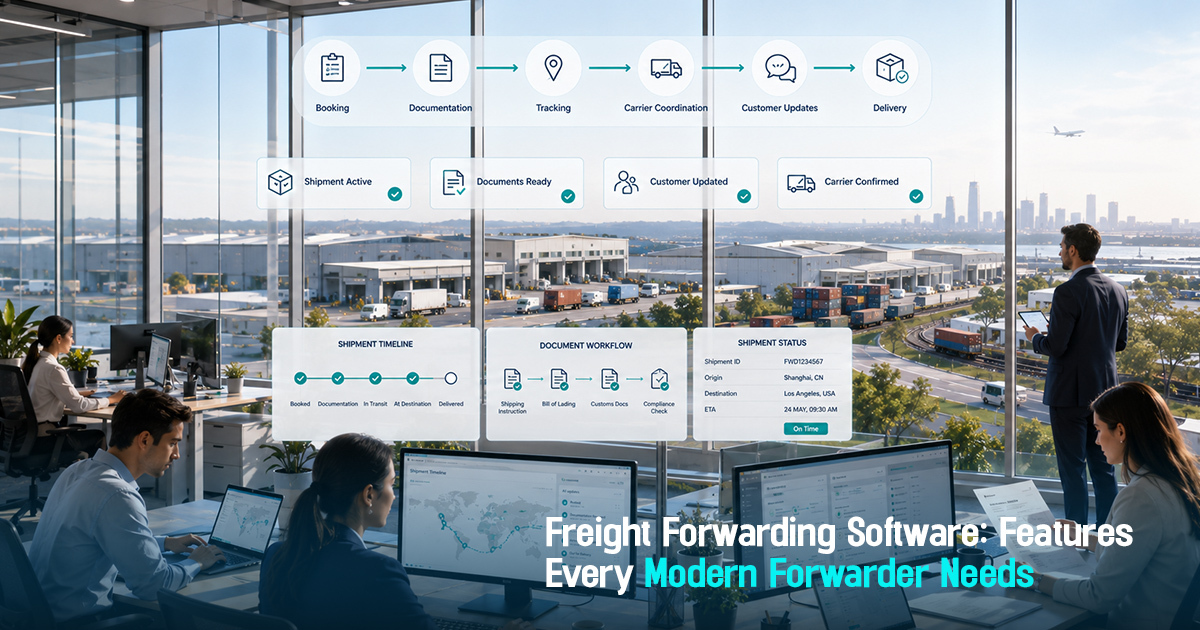
Successful implementation of agentic AI requires alignment with existing freight management processes. Start by mapping the end-to-end freight workflow — including booking, documentation, tracking, and exception handling — to identify where AI can add the most value. Integrate AI incrementally, initially focusing on high-impact areas such as procurement decision-making and shipment exception alerts.
Ensure all stakeholders, from supply chain managers to operations teams, understand AI’s role and limitations. Develop clear escalation paths for AI decisions that require human review. This structured approach mitigates risk and supports smoother adoption while preserving operational control and compliance.
Conclusion
AI applications in logistics, particularly agentic AI, provide freight teams with valuable tools to enhance operational visibility, speed decision-making, and manage exceptions more effectively. While technology offers clear advantages, successful deployment depends on selecting solutions that fit well with existing workflows and maintain strong human oversight. Logistics teams should approach AI implementation with structured operational discipline, transparent processes, and continuous monitoring to realize meaningful improvements while avoiding common pitfalls. As global trade evolves with increasing complexity, these practical AI applications will become essential for freight management efficiency and compliance. To explore further, see our insights on AI-driven logistics innovations and external resources from UNCTAD, IMO, and Drewry.
Get in Touch!
We'll reach out shortly with the info you need. No spam, just a helpful conversation.
Freightstory Technologies Private Limited
A-209, Dynasty Business Park, JB Nagar,
Andheri East, Mumbai- 400059, India


For Exporters & Importers
For Freight Forwarders
© 2026 Frayto. All Rights Reserved.