


Solutions
For Exporters & Importers

For Freight Forwarders and Logistics Service Providers
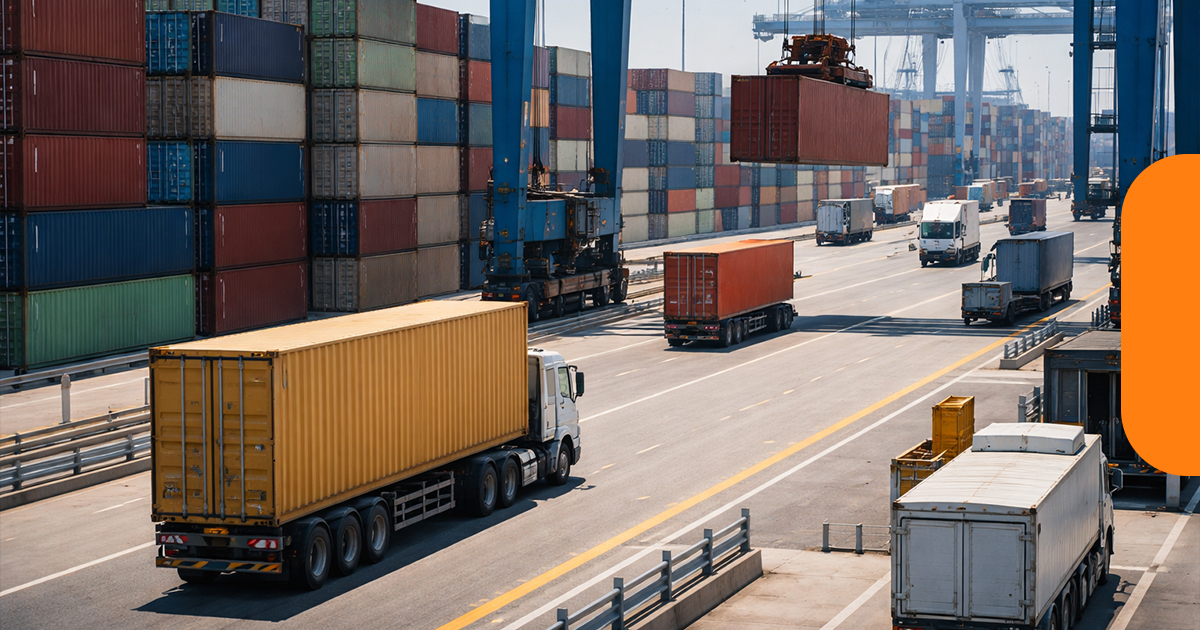
Why Shipments Get Delayed Even When Everything Is Planned (And How to Fix It)


4 Minutes
Shipment delay causes refer to the various operational and external factors that result in freight not arriving on schedule despite detailed planning. Understanding these causes is critical because delays disrupt supply chains, increase costs such as detention and demurrage, and reduce customer satisfaction. This article analyzes why shipments get delayed even when workflows are planned and provides practical solutions to reduce delays and improve shipment timeline optimization with better visibility and control.
Defining Shipment Delay Causes
Shipment delay causes are factors that interfere with the planned transit and delivery timelines of freight shipments. These include internal workflow lapses and external disruptions that affect planned schedules and coordination.
Common causes range from documentation errors, vendor coordination gaps, and slow customs clearance, to unforeseen operational disruptions like port congestion and transportation breakdowns. Managing these requires exception handling workflows and operational visibility in logistics.

Core Reasons Behind Shipment Delays
Many delays in freight operations occur due to a mismatch between logistics planning assumptions and real-time operational realities. For example, inaccurate ETD/ETA estimates, poor vendor responsiveness, or incomplete shipment documents can cause hold-ups.
Additionally, freight forwarding challenges such as limited carrier availability or last-minute booking changes escalate risks. The absence of shipment delay solutions rooted in proactive monitoring and follow-ups leads to missed windows and costly exceptions.
Impact of Logistics Planning Errors
Logistics planning errors often originate from incomplete data or failure to incorporate buffer times for potential disruptions. This causes unrealistic shipment timelines and triggers downstream operational disruptions.
Such errors reduce operational visibility in logistics and impair teams’ ability to preempt delays or handle exceptions efficiently, resulting in a reactive rather than a proactive approach to shipment management.
Risk Management Through Freight Shipment Monitoring
Freight shipment monitoring enables real-time tracking of shipments against planned milestones, spotlighting deviations quickly. This delay risk management approach supports early intervention to address potential hold-ups before they escalate.
Integrating shipment monitoring with vendor communication and document validation workflows fosters a more resilient operation where exceptions are flagged and resolved immediately, limiting delay impact.
Proactive monitoring and structured exception handling are essential to reduce shipment delays operationally.
Practical checklist
Implementing robust shipment delay solutions starts with a structured checklist to minimize common delay triggers:
- Verify all shipment documentation before vessel or carrier booking.
- Confirm booking and carrier availability to avoid last-minute changes.
- Establish clear communication channels with vendors for status updates.
- Monitor shipment milestones and update estimated arrival times regularly.
- Use buffer times in planning for expected customs and transit delays.
- Track exceptions and enforce immediate follow-up on deviations.
- Utilize tools that centralize freight management for better operational visibility.
Following this checklist brings greater control and helps reduce the impact of unforeseen factors, driving more predictable delivery timelines.
Common mistakes
One common error is relying solely on planned schedules without continuous monitoring, which misses critical deviations that cause shipment delays. Similarly, poor coordination between freight forwarders, carriers, and customs leads to documentation gaps and clearance hold-ups.
Another mistake is underestimating the need for buffer times during busy seasons or congested ports. Lastly, manual and disconnected workflows reduce efficiency and hinder the ability to respond rapidly to exceptions, increasing delay risks significantly.
How logistics workflow automation helps
Automation streamlines coordination by integrating procurement, documentation, shipment tracking, and exception management into a single control point. This enhances freight shipment monitoring and decision-making based on real-time data rather than static plans.
Automated workflows reduce human errors, speed up document processing, and enable exception-first operations, where delays are instantly flagged and resolved through structured processes and alerts, improving overall shipment timeline optimization.
Balancing visibility and proactive communication
Operational visibility in logistics is not just about tracking but also about informed communication. Timely updates to customers, partners, and vendors ensure aligned expectations and faster resolution of exceptions.
Freight teams benefit from central dashboards that combine status, documentation, and exception data into coherent views supporting quality follow-up and reducing the risk of shipment delays turning into larger operational disruptions.

Conclusion
Shipment delays persist even with careful logistics planning due to a variety of operational, documentation, and external factors. The key to reducing these delays lies in combining structured operational workflows, continuous shipment monitoring, and exception management discipline. Automating these processes and embracing real-time visibility enable teams to react proactively rather than reactively—improving shipment timeline optimization and reducing costly exceptions. Integrating these practices also supports better coordination between freight forwarders, carriers, and customs authorities, which cuts down on frequent causes like paperwork errors and port congestion. Leveraging these insights helps organizations build more reliable logistics operations that deliver freight on time and with fewer disruptions.
Get in Touch!
We'll reach out shortly with the info you need. No spam, just a helpful conversation.


Freightstory Technologies Private Limited
A-209, Dynasty Business Park, JB Nagar,
Andheri East, Mumbai- 400059, India


For Exporters & Importers
For Freight Forwarders
© 2026 Frayto. All Rights Reserved.