


Solutions
For Exporters & Importers

For Freight Forwarders and Logistics Service Providers
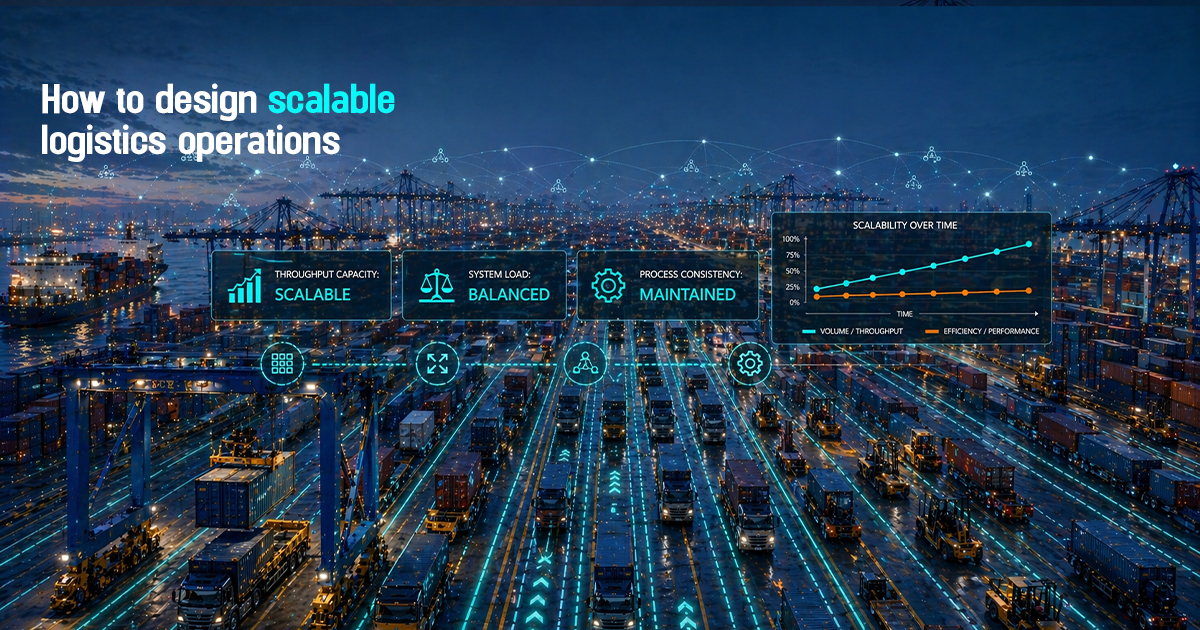
How to Design Scalable Logistics Operations That Actually Work


4 Minutes
Scalable logistics operations refer to freight and supply chain processes designed to expand capacity, improve efficiency, and maintain operational control as business volume or complexity grows. Achieving true scalability matters because logistics teams must handle increasing shipment loads, complex documentation, and vendor coordination without degrading service quality or incurring excessive costs. Yet, many logistics operations struggle with siloed workflows, lack of visibility, and reactive exception handling, which block effective scaling and increase risks.
Defining Scalable Logistics Operations
Scalable logistics operations are the structured, flexible processes that enable freight and supply chain functions to handle growth in shipment volume, complexity, and customer demands without breaking workflows or increasing risks. Scalability ensures that as operations expand, teams maintain consistent visibility, cost control, and compliance across all stages.
Operational scalability requires more than just adding resources; it demands workflow design that supports automation, proactive exception management, and integrated vendor coordination. These elements create a foundation for consistent performance, even under varying business pressures.

Core Challenges in Scaling Logistics Operations
Many logistics teams find scalability hindered by fragmented systems, unpredictable exceptions, and inefficient procurement cycles. These issues result in shipment delays, cost overruns, and compliance gaps that escalate as volume increases. Manual handoffs and poor data visibility further complicate coordination across vendors and customers.
Without scalable workflows, operations become reactive instead of proactive, increasing detention and demurrage risks, complicating documentation management, and reducing the ability to audit freight spend with confidence. Recognizing these pain points early is crucial to prevent operational bottlenecks.
Key Components of Scalable Logistics Operations
Visibility-first tracking, exception-focused workflows, and structured freight procurement form the pillars of scalable logistics operations. Clear milestone controls enable teams to anticipate delays and act promptly, while centralized procurement improves vendor performance and rate auditability.
Additionally, integrating documentation workflows with compliance checkpoints reduces errors and clearance delays, supporting smoother shipment handoffs. Combining these components streamlines logistics operations management and sustains scalable supply chain solutions.
Practical checklist
How to build scalable logistics operations:
- 1. Map and standardize freight workflows end-to-end, from booking through delivery control.
- 2. Implement real-time shipment visibility tools focused on milestone tracking and exception alerts.
- 3. Develop an exception-first management process prioritizing high-risk shipments and compliance checkpoints.
- 4. Centralize procurement to enable competitive bidding, transparent rate comparison, and vendor performance monitoring.
- 5. Automate documentation validation to reduce clearance delays and non-compliance penalties.
- 6. Communicate proactively with customers and vendors through structured updates and follow-ups.
- 7. Monitor detention and demurrage exposure with predefined rules and escalation workflows.
Following this checklist helps logistics teams grow operations with predictable control, cost discipline, and process visibility.
Scalability demands structured workflows and proactive exception management, not just more resources.
Common mistakes
Attempts to scale logistics operations often fail when teams rely on manual, siloed systems and skip process discipline. For example, inconsistent tracking practices lead to missed exceptions, while uncoordinated vendor relationships cause costly delays. Overlooking documentation checks increases customs clearance risks and demurrage charges.
Another pitfall is adopting technology without aligning workflows and training staff. This results in poor utilization and fragmented visibility. A focus on short-term fixes rather than structured operational efficiency also prevents sustainable scale.
Designing freight procurement for scalability
Freight procurement is a crucial lever for scalable logistics operations because it directly impacts cost control and vendor reliability. Implementing structured bidding cycles and audit trails improves transparency and helps build trusted carrier networks aligned with growth plans.
Automating freight rate comparisons and consolidating contract management reduces administrative burden, enabling teams to focus on carrier performance and exception mitigation rather than transactional tasks.
Workflow design for operational efficiency
Effective logistics workflow design incorporates modular processes, automated handoffs, and clear ownership at each stage. Standardizing booking, documentation, tracking, exception handling, and delivery controls enables consistent execution and scalability.
A typical scalable logistics workflow might include: Booking → Documentation → Visibility → Exception Handling → Delivery Control. Each phase should have defined KPIs and escalation points to ensure that issues are resolved promptly without compromising overall throughput.
Leveraging technology without losing operational focus
While technology offers great potential, using solutions without a clear process framework often leads to scattered data and limited scalability. Selecting tools that enhance visibility, automate exception alerts, and integrate procurement workflows ensures practical improvements.
Ensuring user adoption and operational discipline around tools is as important as the technology itself to fully realize benefits across freight operations optimization and supply chain scalability.

Conclusion
Designing scalable logistics operations requires a deliberate focus on structured workflows, visibility-first tracking, and exception management to handle growth without sacrificing operational control. Teams must anticipate common pitfalls such as fragmented data and poor vendor coordination by implementing standardized procurement and documentation processes. By balancing technology adoption with robust process design and staff training, freight forwarders and supply chain managers can build logistics operational efficiency that supports long-term growth. Scalability is not merely about capacity but maintaining consistent quality and cost control as shipment volumes rise. Learning to integrate these elements progressively ensures practical, effective, and manageable expansion within logistics operations.
Get in Touch!
We'll reach out shortly with the info you need. No spam, just a helpful conversation.


For Exporters & Importers
For Freight Forwarders
© 2026 Frayto. All Rights Reserved.