


Solutions
For Exporters & Importers

For Freight Forwarders and Logistics Service Providers
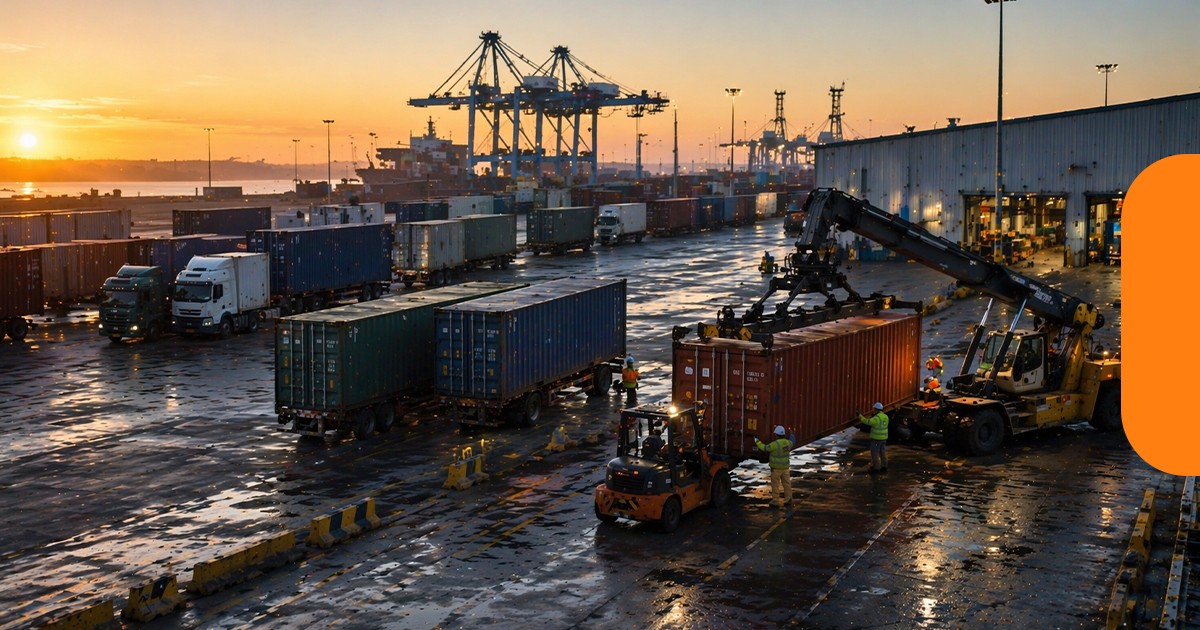
Why Reactive Logistics Is More Expensive (And How to Fix It)


4 Minutes
Reactive logistics cost refers to the increased expenses incurred when freight and supply chain operations respond after disruptions or issues arise rather than anticipating and preventing them. This topic matters operationally because managing logistics reactively leads to inefficiencies such as expediting shipments, paying demurrage, and handling last-minute vendor coordination, which inflate overall freight costs. The key challenge is shifting from costly reactive workflows to structured, visibility-driven processes that reduce expense and improve operational control.
What Is Reactive Logistics Cost?
Reactive logistics cost is the additional expense that results when freight operations respond after problems like delays, documentation errors, or supply chain disruptions occur instead of through planned actions. It contrasts with proactive logistics strategies, which emphasize anticipation and prevention.
Reactive costs include premiums for expedited shipping, higher carrier rates for last-minute bookings, penalties such as detention and demurrage, and internal labor costs for crisis resolution. These costs accumulate due to the lack of early visibility and structured workflows in freight management.

How Reactive Logistics Drives Higher Operational Costs
Reacting to issues rather than preventing them creates multiple cost-driving scenarios including urgent shipments, last-minute vendor negotiations, and compliance errors. These factors trigger additional charges and disrupt planned freight flows, increasing overall logistics expense.
Moreover, reactive logistics often necessitates manual intervention and increased coordination efforts, which increases internal operational costs. This approach undermines supply chain reliability and increases the risk of bottlenecks, negatively affecting customer service levels.
Key Differences: Reactive vs. Proactive Logistics
Understanding the distinction between reactive and proactive logistics is essential for cost control. Proactive logistics strategies rely on early visibility, risk assessment, and planned contingency management, while reactive logistics rely on managing disruptions after they occur.
Proactive teams focus on shipment tracking, timely vendor communication, and structured procurement processes, which ensures smoother operations and cost savings. In contrast, reactive teams often face higher freight rates, penalties, and internal resource drain due to unplanned actions.
Common Cost Drivers in Reactive Logistics
Delayed shipment tracking updates, inconsistent documentation, poor exception handling, and lack of centralized freight management contribute to heightened operational costs in reactive logistics.
Detention and demurrage charges also rise when delays are not anticipated, while emergency vendor coordination often means paying premium rates or compromising compliance standards.
Proactive exception handling reduces logistics cost before problems escalate.
Practical checklist for Reducing Reactive Logistics Cost
Implementing a structured, proactive freight operation requires several key steps:
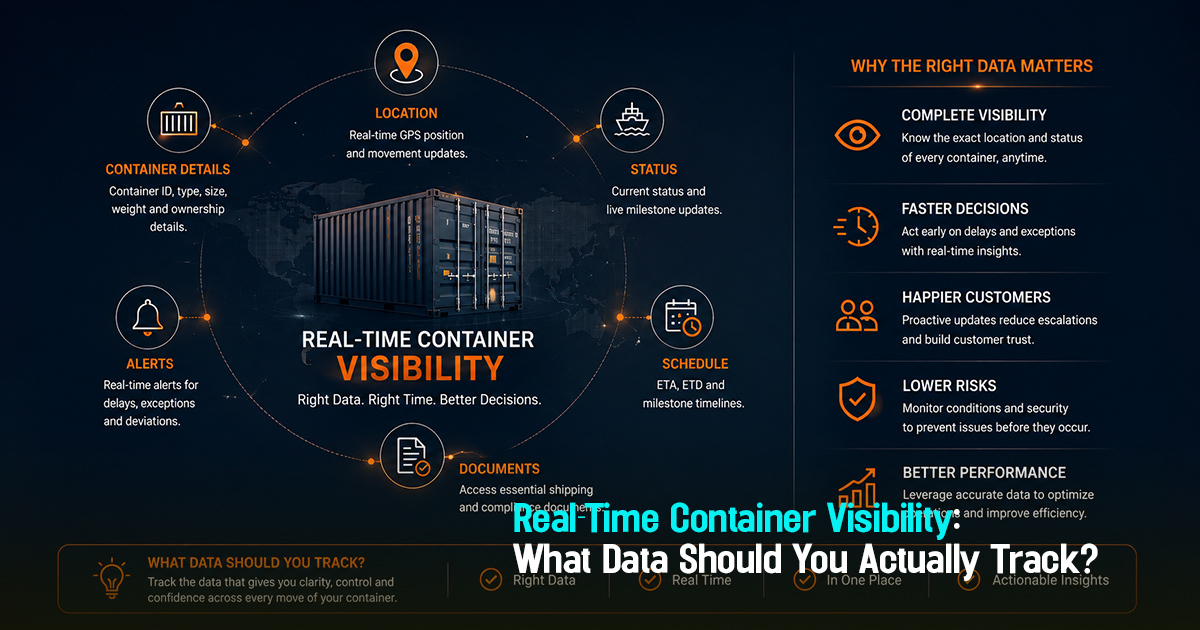
- Establish real-time shipment visibility: Use integrated tracking tools to monitor ETAs and exceptions early.
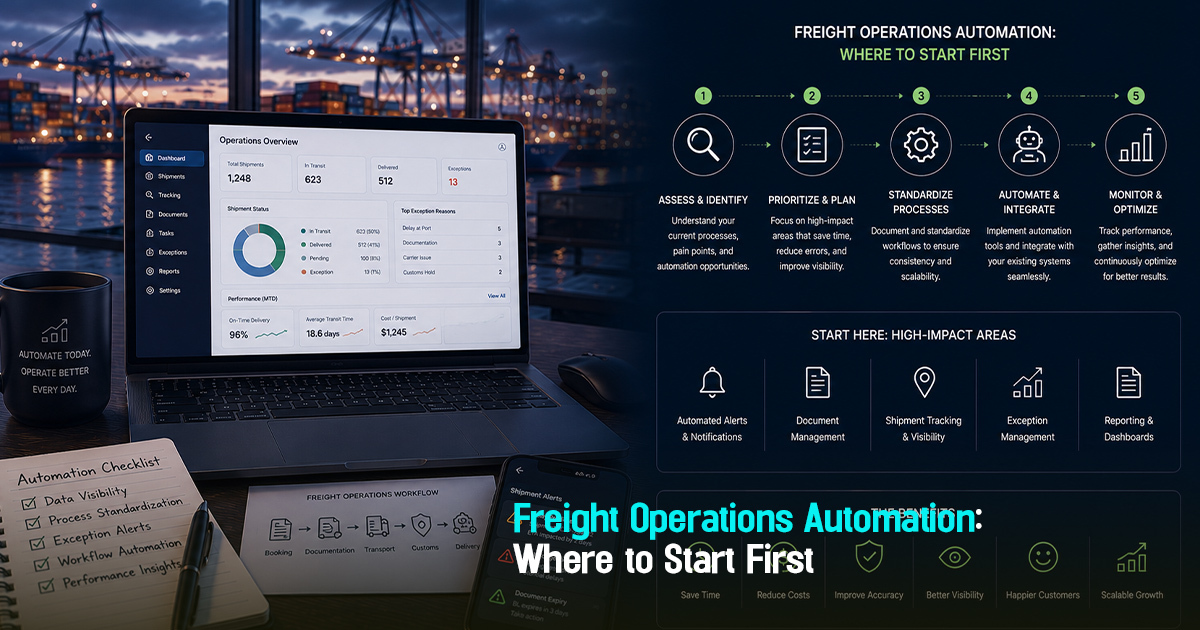
- Automate workflows: Minimize manual error and speed exception notifications.
- Streamline vendor coordination: Formalize booking workflows and escalation paths.
- Enforce compliance and documentation discipline: Prevent delays related to missing or incorrect paperwork.
- Set clear exception handling protocols: Prioritize early identification and resolution.
Following this checklist helps reduce freight operations expenses by addressing root causes rather than symptoms.
How Workflow Automation Supports Cost-Effective Freight Management
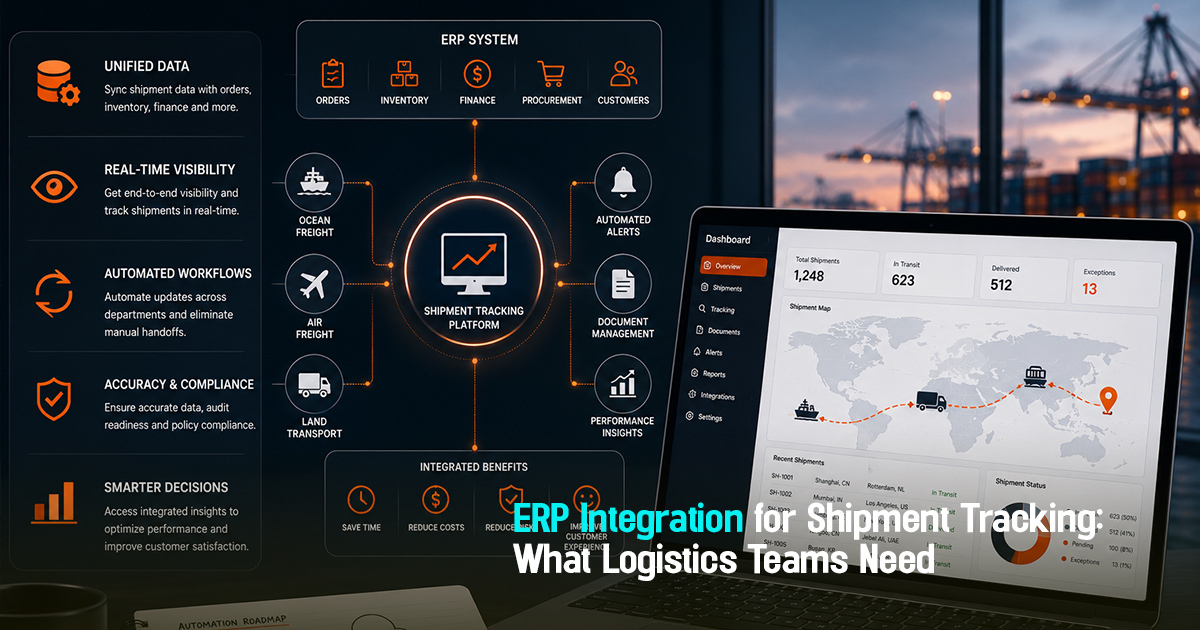
Automation streamlines data capture, document validation, and milestone tracking, reducing the need for reactive interventions. Integrating shipment visibility platforms helps teams focus on exception-first workflows, immediately flagging deviations before costs escalate.
Automated alerts enhance communication with vendors and customers, reducing follow-up delays and improving compliance adherence. This results in more reliable timelines, lower detention fees, and better freight cost control.
Common mistakes that Amplify Reactive Logistics Cost
Ignoring early warning signs like minor ETA deviations or missing documents leads to costly last-minute firefighting. Similarly, poor collaboration between teams and vendors spreads risk and increases errors.
Failure to document incidents and follow up systematically causes missed learning opportunities, perpetuating unscalable reactive practices. These mistakes magnify freight expenses and reduce operational clarity.
Improving Supply Chain Disruption Management
Effective disruption management integrates risk identification, clear communication channels, and actionable contingency plans. Teams utilizing proactive logistics strategies minimize cost impact by preparing alternate routes, scheduling buffer times, and securing flexible vendor agreements.
Investing in centralized freight management solutions supports these efforts by enhancing visibility and auditability, creating a reliable operational framework to handle disruptions with minimal cost escalation.

Conclusion
Reactive logistics cost is a critical factor driving inefficiency and overspending in freight operations. By shifting focus to proactive logistics strategies encompassing structured workflows, automation, and early exception handling, logistics teams can significantly reduce expenses and improve supply chain reliability. Implementing real-time shipment visibility and centralized freight management creates a foundation for better decision-making, allowing operations teams to control costs and maintain compliance more effectively. Embracing this approach requires discipline and investment but yields measurable improvements in reducing logistics expenses and supporting sustainable freight operations without compromising service levels. For ongoing success, integrating these best practices within a comprehensive global freight management solutions framework ensures alignment between daily execution and strategic cost control objectives.
References: UNCTAD, International Maritime Organization, Trade.gov
Get in Touch!
We'll reach out shortly with the info you need. No spam, just a helpful conversation.


For Exporters & Importers
For Freight Forwarders
© 2026 Frayto. All Rights Reserved.