


Solutions
For Exporters & Importers

For Freight Forwarders and Logistics Service Providers
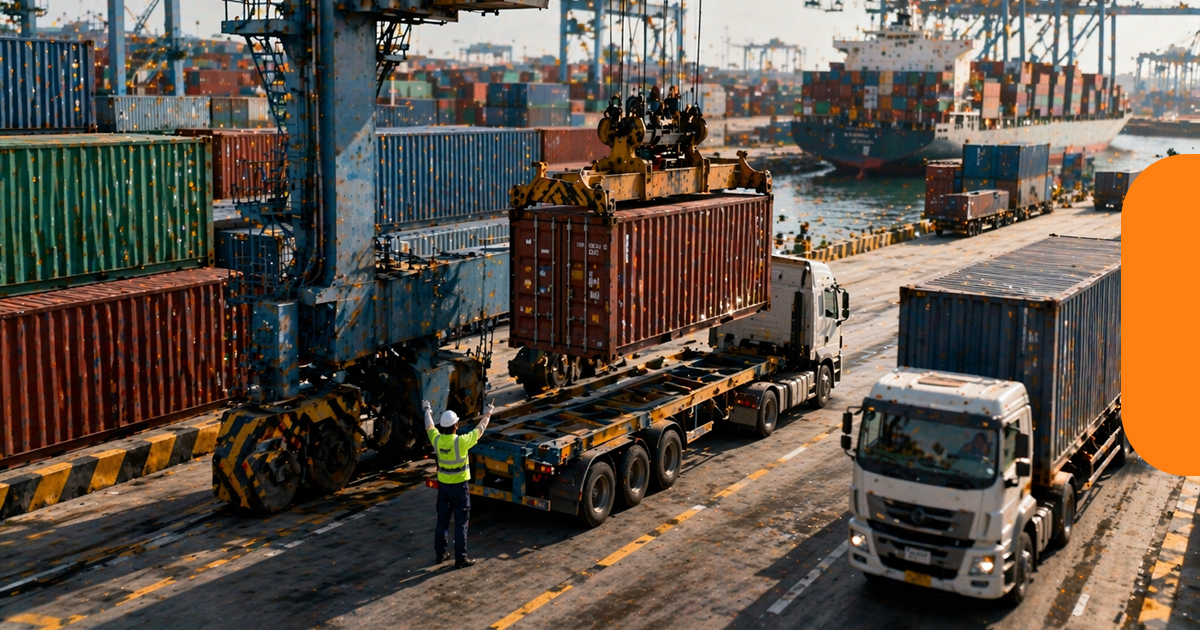
How to Reduce Freight Cost Leakage in Operations


5 Minutes
Reducing freight cost leakage is essential for maintaining financially efficient logistics operations. Freight cost leakage refers to the unnoticed or unaccounted expenses that inflate freight spend beyond agreed contracts and budgets. These hidden costs affect procurement, budgeting, and operational visibility, ultimately leading to inefficiencies and reduced profitability. Addressing cost leakage requires understanding its common causes and applying structured freight procurement practices that improve cost control and audit visibility.
What is freight cost leakage?
Freight cost leakage occurs when actual shipping expenses exceed planned or contracted amounts due to untracked or unmanaged charges. These can include hidden fees, inaccurate billing, detention and demurrage, inefficient routing, or poor vendor coordination. Cost leakage reduces the accuracy of freight spend analysis and weakens budgeting discipline.
Operationally, controlling leakage is critical because it impacts financial forecasting, vendor relationship management, and supply chain cost efficiency. Identifying leakage points early empowers procurement teams and operations managers to apply corrective measures and improve freight cost optimization techniques.

Common causes of freight cost leakage
Several operational factors contribute to freight cost leakage, starting with incomplete shipment visibility and delayed exception handling. When shipments lack real-time tracking, unplanned delays and additional charges can go unnoticed. Documentation gaps, such as missing or incorrect bills of lading and customs paperwork, often cause unexpected fines or demurrage.
Vendor management inefficiencies like unclear contract terms or poor communication also lead to audit mismatches. Additionally, reactive operations that fail to control detention time and demurrage charges contribute heavily to cost overruns. Without rigorous freight spend visibility, identifying these issues early remains a challenge.
Key freight procurement practices to reduce leakage
Structured procurement workflows are vital to controlling freight costs. This includes transparent rate negotiations, standardized contracts with clear penalty clauses, and documented service levels. Consistent follow-up and audit of vendor invoices against contracts help catch irregularities promptly.
Incorporating freight spend visibility tools across procurement and operations enables centralized cost tracking and exception flagging. Procurement teams should enforce compliance by integrating shipment status updates into freight contracts and monitoring detention and demurrage rigorously. Combining these practices reduces leakage risk and improves overall freight operations cost management.
Effective freight cost control requires disciplined audit and proactive exception management.
Practical checklist
To systematically reduce freight cost leakage, operations teams should follow this checklist:
- Establish detailed freight contracts with explicit cost components listed.
- Implement freight spend visibility dashboards that integrate procurement and shipment data.
- Schedule regular invoice audits comparing billing to contracted rates and booked services.
- Track detention and demurrage charges proactively and escalate exceptions immediately.
- Standardize documentation workflows, ensuring accurate and timely customs and shipping paperwork.
- Maintain clear vendor communication protocols to resolve rate discrepancies quickly.
- Use proactive alerts for shipment delays, allowing preemptive cost control actions.
Following these steps ensures cost control is embedded in both procurement and operational processes, reducing unexpected freight cost leakage.
Common mistakes that increase freight cost leakage
A frequent pitfall is assuming invoice prices reflect negotiated rates without verification, leading to unnoticed billing errors. Another mistake is fragmented visibility between procurement, operations, and finance which delays detecting cost anomalies. Lack of real-time shipment tracking and exception management allows demurrage and detention charges to accumulate unchecked.
Furthermore, overlooking documentation accuracy and customs compliance can trigger costly fines. Underestimating the importance of vendor performance reviews and failing to enforce contract terms amplify freight cost leakage risk. Such weak controls reduce financial accountability and hinder continuous cost optimization.
How to enhance freight cost control with technology
Technology solutions that centralize freight procurement and shipment data improve cost transparency and exception handling significantly. Freight spend dashboards provide ongoing audit trails that highlight variances from contracted rates and identify costly exceptions like detention or additional surcharges. Leveraging automated alerts and data integration streamlines follow-ups and vendor coordination.
Implementing platforms that unify freight procurement, shipment tracking, and invoice audit processes ensures aligned cost management. This visibility-first approach helps supply chain teams enforce compliance, reduce costly delays, and negotiate better vendor terms based on accurate cost data and operational feedback.

Comparison insight: Spot rates vs contract rates
Spot rates often provide flexibility but carry a greater risk of cost leakage due to unpredictable price fluctuations and last-minute surcharges. In contrast, contract rates offer more predictable freight cost control through fixed terms and consolidated billing. Understanding when to leverage spot versus contract rates impacts leakage management significantly.
Operations teams should align procurement decisions with the shipment profile and risk tolerance. Contract rates reduce uncertainty and simplify auditing, whereas spot rates require stricter invoice scrutiny to avoid hidden charges that cause leakage.
Conclusion
Reducing freight cost leakage demands disciplined freight procurement and operational oversight that connect vendor contracts, shipment tracking, and invoice audit workflows. Embedding freight cost control strategies early in procurement and shipment execution minimizes unexpected charges and optimizes overall freight spend. Visibility across all touchpoints, combined with prompt exception handling and standardized documentation processes, builds a robust defense against cost leakage. Operations teams and supply chain managers who prioritize these structured workflows gain clearer financial accountability and stronger leverage in vendor negotiations. In a volatile logistics environment, cost-saving methods rooted in transparency and process rigor are essential for sustainable freight cost optimization. Implementing practical, visibility-first freight procurement and cost management with platforms aligned to these principles ensures that freight cost leakage is minimized, enabling more efficient, predictable freight operations.
For further reading on procurement and freight cost control, consider resources from UNCTAD, Drewry, and FIATA.
Get in Touch!
We'll reach out shortly with the info you need. No spam, just a helpful conversation.
Recommended Blogs

Freightstory Technologies Private Limited
A-209, Dynasty Business Park, JB Nagar,
Andheri East, Mumbai- 400059, India


For Exporters & Importers
For Freight Forwarders
© 2026 Frayto. All Rights Reserved.