


Solutions
For Exporters & Importers

For Freight Forwarders and Logistics Service Providers
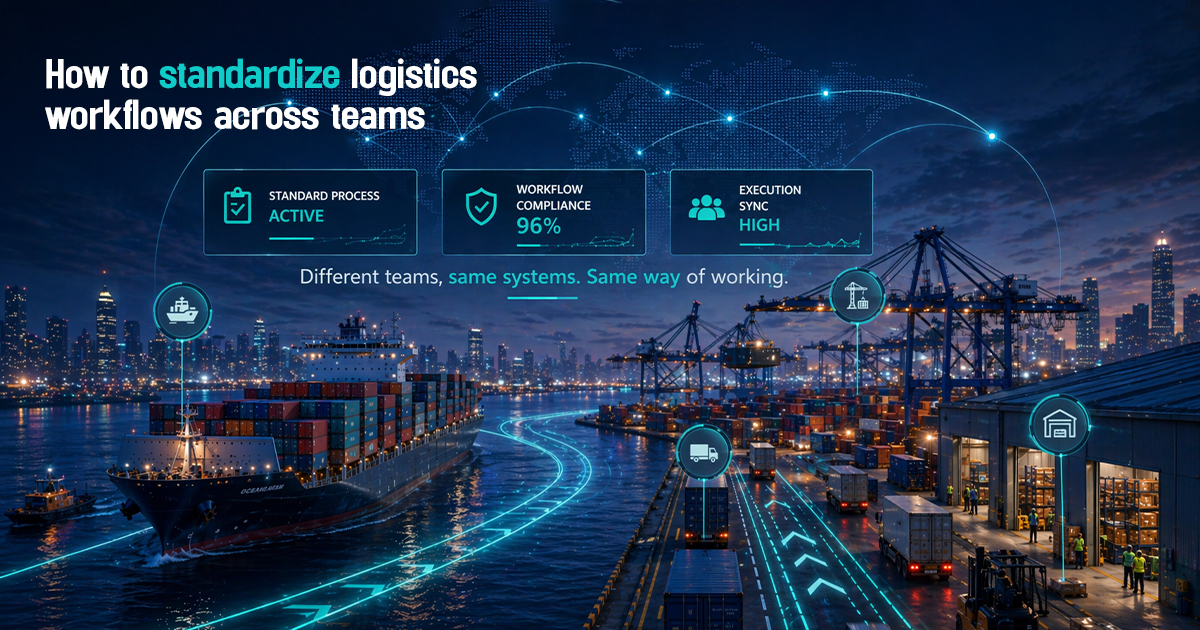
How to Standardize Logistics Workflows Across Teams for Operational Efficiency


5 Minutes
Standardizing logistics workflows means creating repeatable, uniform processes across teams to ensure clarity, consistency, and control in freight operations. Operationally, it matters because inconsistent workflows often lead to errors, delays, and visibility gaps that affect shipment tracking, compliance, and cost control. The core challenge is aligning multiple teams with diverse functions—procurement, operations, vendor management—around a common set of steps and communication protocols to reduce inefficiencies and improve execution.
What is Standardizing Logistics Workflows?
Standardizing logistics workflows refers to the process of establishing consistent procedures and communication templates across teams handling freight operations. It involves defining roles, timelines, data exchange formats, and exception management rules to ensure all teams work from the same operational playbook. This reduces variability and improves accuracy across shipment lifecycle stages.
Practically, it supports end-to-end visibility and process discipline, helping teams anticipate bottlenecks before they escalate. Workflow standardization directly influences how exceptions like delays, documentation errors, or vendor issues are escalated and resolved, minimizing costs related to detention, demurrage, and compliance risks.

Key Benefits of Standardizing Logistics Workflows
Standardized workflows bring operational consistency that enhances team coordination and reduces miscommunication. Teams gain a clear understanding of task ownership, deadlines, and escalation points, which improves cross-team collaboration in logistics. This structured approach supports better planning and resource allocation.
Additionally, it fosters better data accuracy and audit trails for freight procurement and shipment tracking, supporting compliance and cost management. Enhanced workflow visibility enables proactive exception handling and customer communication, reducing reactive firefighting in freight operations.
Common Challenges Without Workflow Standardization
Without standard workflows, teams often face delays due to fragmented communication and inconsistent documentation handling. This leads to poor shipment visibility and difficulties in tracking milestones like ETD and ETA, resulting in rushed corrective actions prone to error. Information silos commonly emerge, hampering vendor follow-up and procurement efficiency.
Inconsistent handling of exceptions such as customs clearance delays or detention risks further causes cost overruns. Teams may struggle to align on priority shipments or required actions, increasing the risk of demurrage and compliance lapses—issues that could be mitigated with structured, visible workflows.
Designing a Workflow Standardization Framework
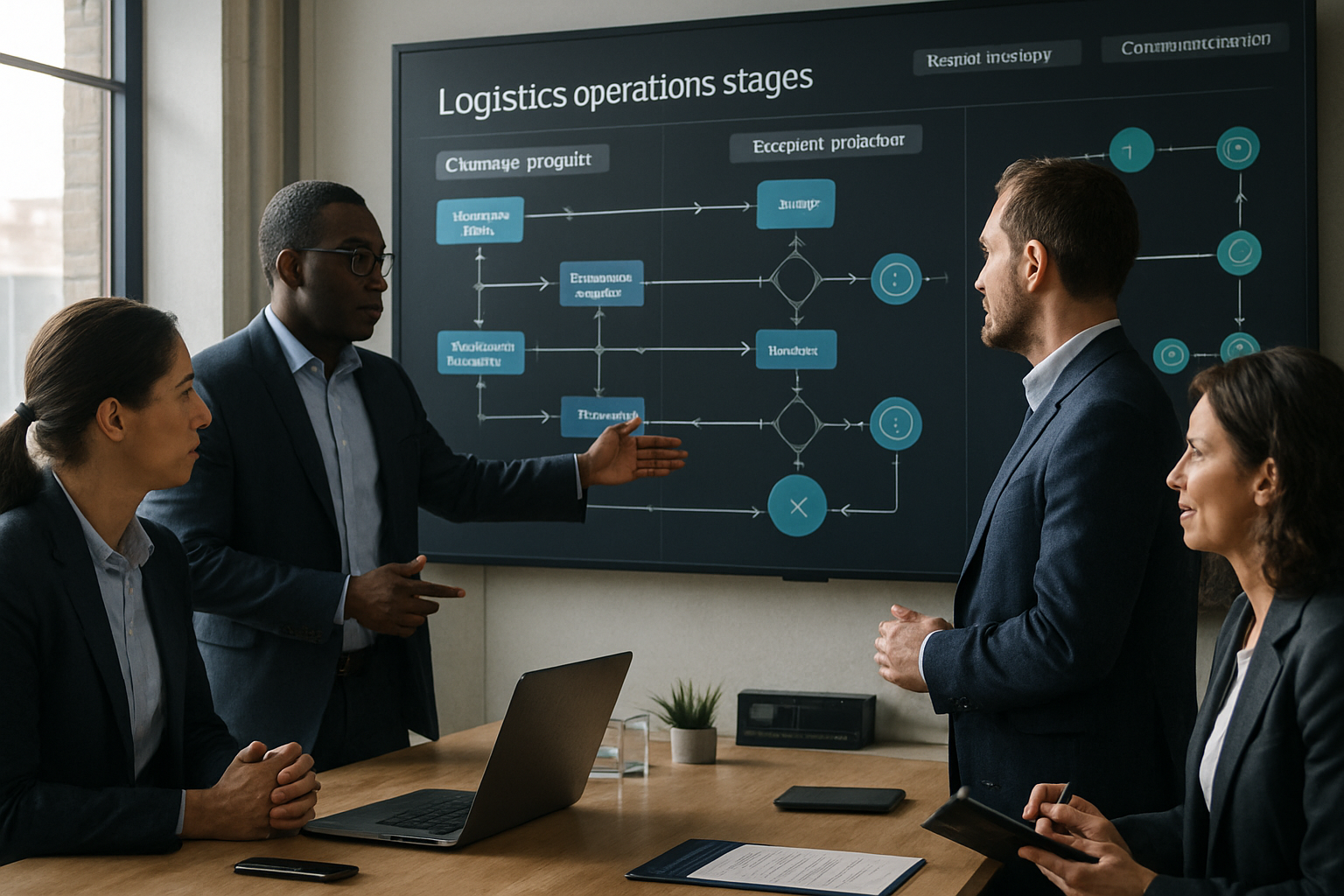
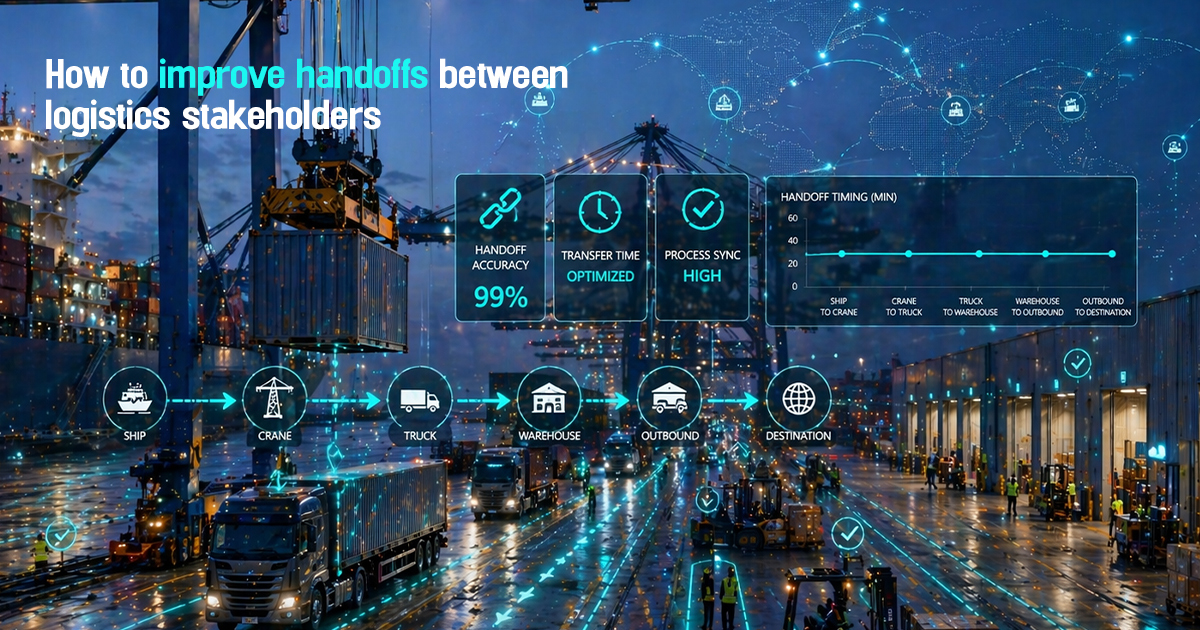
A practical approach to standardizing involves outlining a clear workflow framework that all teams adopt. Common workflow stages include Booking → Documentation → Visibility → Exception Handling → Delivery Control. Each step requires defined inputs, responsible parties, timelines, and escalation paths. Well-defined handoffs prevent delays and improve accountability.
Integrating logistics workflow automation tools supports workflow adherence by enforcing task sequences and providing real-time status updates. This bolsters operational visibility in logistics and helps teams focus on handling exceptions rather than chasing routine updates, overall improving throughput and cost control.
Clear processes and consistent communication are the backbone of effective freight operations.
Practical checklist
How to standardize logistics workflows across teams:
- 1. Map current freight operations and identify pain points in cross-team handoffs.
- 2. Define clear workflow stages with responsible teams and timelines.
- 3. Establish standardized documentation and data formats for procurement and shipment tracking.
- 4. Implement task management or workflow automation tools to enforce process consistency.
- 5. Set up regular cross-functional communication cadences for updates and issue resolution.
- 6. Develop exception handling protocols with clear escalation paths for delays and compliance issues.
- 7. Train teams on new workflows emphasizing the importance of operational visibility and accountability.
Following these steps ensures freight operations standardization that enhances reliability and reduces costly errors.
Common mistakes
A frequent error when standardizing logistics workflows is overlooking exception processes. Teams focus heavily on the main flow but neglect how to handle delays, documentation rejections, or vendor non-compliance efficiently. This creates bottlenecks and longer response times during disruptions.
Another common mistake is not aligning teams on communication protocols. Without standardized channels for updates and escalation, stakeholders rely on informal, reactive messages that degrade visibility and tracking quality. This impacts customer communication and increases detention risk.
Comparing Manual vs Automated Workflow Standardization
Manual workflows depend on spreadsheets, emails, and individual diligence to enforce processes. While they allow flexibility, they increase the risk of missed steps and inconsistent tracking, which complicates freight procurement and exception management. Manual processes lack centralized visibility, often resulting in delayed actions.
In contrast, automated logistics workflow management tools standardize task sequences, provide real-time milestone tracking, and centralize communication. Automation reduces human error, enforces timeline adherence, and enhances cross-team collaboration logistics by providing shared operational visibility. This leads to faster resolution of exceptions and better cost control.
Improving operational visibility through standardized workflows
Standardizing workflows is a critical foundation for improving operational visibility in logistics. When all teams follow the same process stages and data formats, status updates become more reliable and actionable. Consistent workflows enhance shipment milestone tracking from booking confirmation through delivery.
Better visibility reduces reactive coordination and supports data-driven decision-making for freight forwarders and supply chain managers. Consistent escalation protocols allow timely intervention on exceptions like customs delays or carrier issues, thereby reducing detention and demurrage costs while improving customer communication.
Conclusion
Standardizing logistics workflows across teams is essential for achieving operational efficiency and risk reduction in freight operations. It requires deliberate process design, clear assignment of responsibilities, and consistent communication protocols supported by tools that enforce compliance and visibility. Teams that adopt standardized workflows experience fewer exceptions, better shipment tracking, and clearer accountability, enabling faster resolution of delays and improved cost management. This reduces expensive issues like detention and demurrage while improving overall customer satisfaction. Aligning teams on a common operational framework is a practical step to improving freight procurement, shipment tracking, and exception handling with measurable efficiency gains and stronger auditability.
Get in Touch!
We'll reach out shortly with the info you need. No spam, just a helpful conversation.

Freightstory Technologies Private Limited
A-209, Dynasty Business Park, JB Nagar,
Andheri East, Mumbai- 400059, India


For Exporters & Importers
For Freight Forwarders
© 2026 Frayto. All Rights Reserved.