


Solutions
For Exporters & Importers

For Freight Forwarders and Logistics Service Providers
How Delays Impact Total Landed Cost Logistics Beyond Freight


4 Minutes
Total landed cost logistics encompasses all expenses incurred to get goods shipped from the supplier to the final destination, including freight, customs, inventory carrying, and operational costs. Understanding the impact of delays on this comprehensive cost is critical because delays increase beyond just freight expenses, affecting overall supply chain efficiency and profitability. This article breaks down how different types of delays contribute to total landed cost and what operational teams can do to mitigate these impacts.
What is Total Landed Cost in Logistics?
Total landed cost logistics refers to the full sum of costs involved in transporting and delivering goods, including all hidden and indirect expenses.
This cost not only includes freight charges but also customs duties, insurance, demurrage, detention, inventory holding, and other operational costs that emerge during freight procurement, shipment tracking, and delivery management.
Types of Delays Affecting Landed Cost
Delays can arise at various points such as loading, transit, customs clearance, and final delivery. Each delay type directly influences different cost components and operational workflows. Customs clearance delays might push up warehousing and demurrage charges, while transit delays increase inventory carrying costs.
Understanding these delay categories helps logistics teams anticipate where cost exposures develop and prioritize interventions based on operational visibility and real-time tracking of shipment milestones.

Impact of Delays on Landed Cost Components
Freight delay costs are the most visible impact, but delays also increase detention and demurrage fees and extend inventory carrying periods, inflating warehousing and capital costs. Supply chain delay mitigation efforts focus on measuring these components holistically rather than isolating freight charges alone.
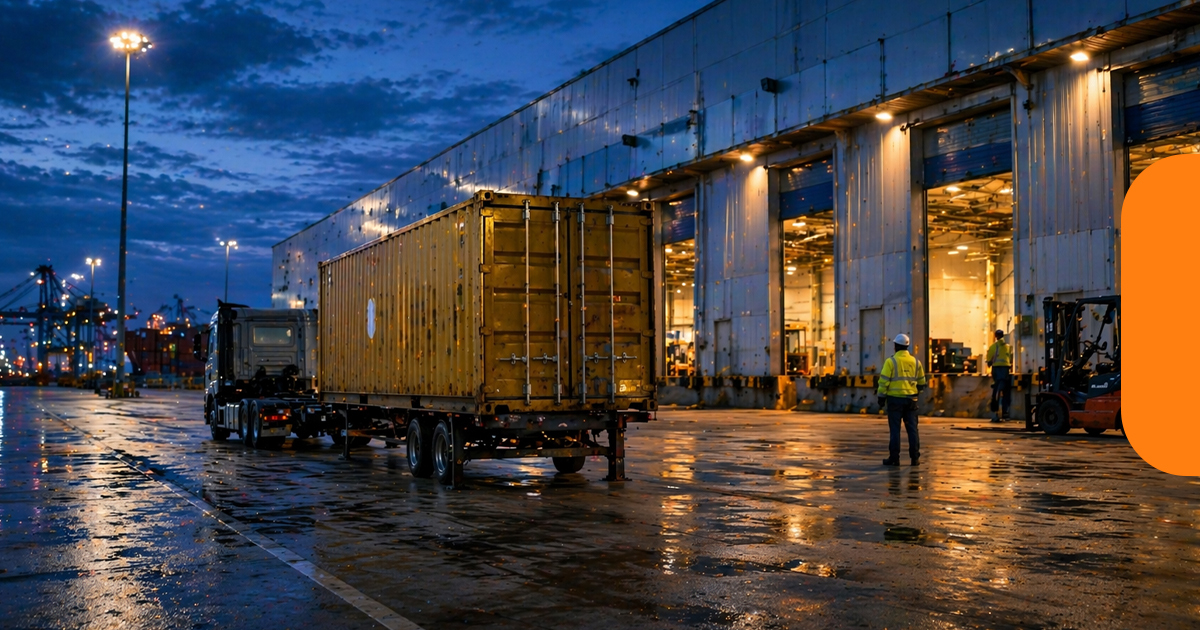
For example, a hold-up in customs clearance can extend container dwell time at port, causing unexpected detention fees and inventory stockouts that ripple downstream, elevating the total landed cost beyond initial freight quotes.
Effective delay management starts with clear visibility and structured exception workflows.
Practical checklist
Managing delay impacts requires proactive steps:
- Monitor shipment status continuously using tools that provide real-time visibility on transit and customs milestones.
- Maintain close coordination with vendors and customs brokers to reduce documentation errors and clearance delays.
- Track and audit detention and demurrage charges promptly to avoid surprise costs.
- Integrate freight procurement with operational workflows to plan for potential delays and associated costs strategically.
- Implement inventory management strategies to minimize carrying costs during unexpected hold-ups.
How operational visibility reduces cost risks
Using structured workflows and centralized freight management solutions enhances exception-first operations that quickly identify and address shipment delays. Visibility tools enable teams to act on bottlenecks before they escalate into costly penalties or service failures.
This visibility improves decision timing around booking alternatives, vendor coordination, and contingency planning, all of which reduce the total landed cost by controlling indirect cost drivers beyond freight.
Common mistakes
A common error is focusing solely on freight rates without considering other landed cost components like detention or inventory carrying costs. Ignoring delays in customs or final delivery often leads to unexpected expenses and reduced supply chain responsiveness. Lack of integrated tracking across procurement and operations results in late visibility of exceptions and hindered corrective action.
Teams that fail to audit invoices against actual delay occurrences or do not follow up with vendors promptly risk overpaying and facing escalated penalties that could have been avoided through better process discipline.
Comparison: Spot Rates vs Contract Rates Under Delay Conditions
Spot rates can be more expensive during congestion or delays because of last-minute procurement, while contract rates offer more predictable pricing but may lack flexibility to manage exception costs effectively. Choosing between spot vs contract rates depends heavily on how well your operations can forecast delays and absorb associated risk through visibility and supplier coordination.
Leveraging global freight management solutions that combine procurement and operational insight allows better negotiation and planning strategies to mitigate delay-related landed cost impact.

Strategies for Supply Chain Delay Mitigation
Operational strategies to reduce the impact of delays on total landed cost include early documentation submission and validation, enhanced customs compliance, and multi-party coordination for shipment exceptions. Structured workflows that integrate procurement, tracking, and exception handling help identify delays immediately for faster resolution.
These approaches minimize time-sensitive costs like demurrage and inventory carrying while improving overall compliance and cost control throughout the freight cycle.
Conclusion
Delays impact total landed cost logistics in multiple ways beyond freight charges, including detention, demurrage, inventory costs, and compliance expenses. Supply chain managers and logistics teams must incorporate holistic visibility and proactive exception handling into their workflows to reduce these hidden costs effectively. Emphasizing integrated freight procurement and shipment tracking, combined with close vendor coordination, leads to better decision-making and tighter cost control. Recognizing the full cost impact of delays is essential to optimizing supply chain performance and safeguarding profit margins in complex global logistics environments. Continuous process improvement and operational discipline are key to managing landed cost comprehensively.
References: UNCTAD, World Bank, FIATA
Get in Touch!
We'll reach out shortly with the info you need. No spam, just a helpful conversation.
Recommended Blogs
Freightstory Technologies Private Limited
A-209, Dynasty Business Park, JB Nagar,
Andheri East, Mumbai- 400059, India


For Exporters & Importers
For Freight Forwarders
© 2026 Frayto. All Rights Reserved.