


Solutions
For Exporters & Importers

For Freight Forwarders and Logistics Service Providers
Freight Forwarding Software vs Traditional TMS: Which One Do You Need?


4 Minutes
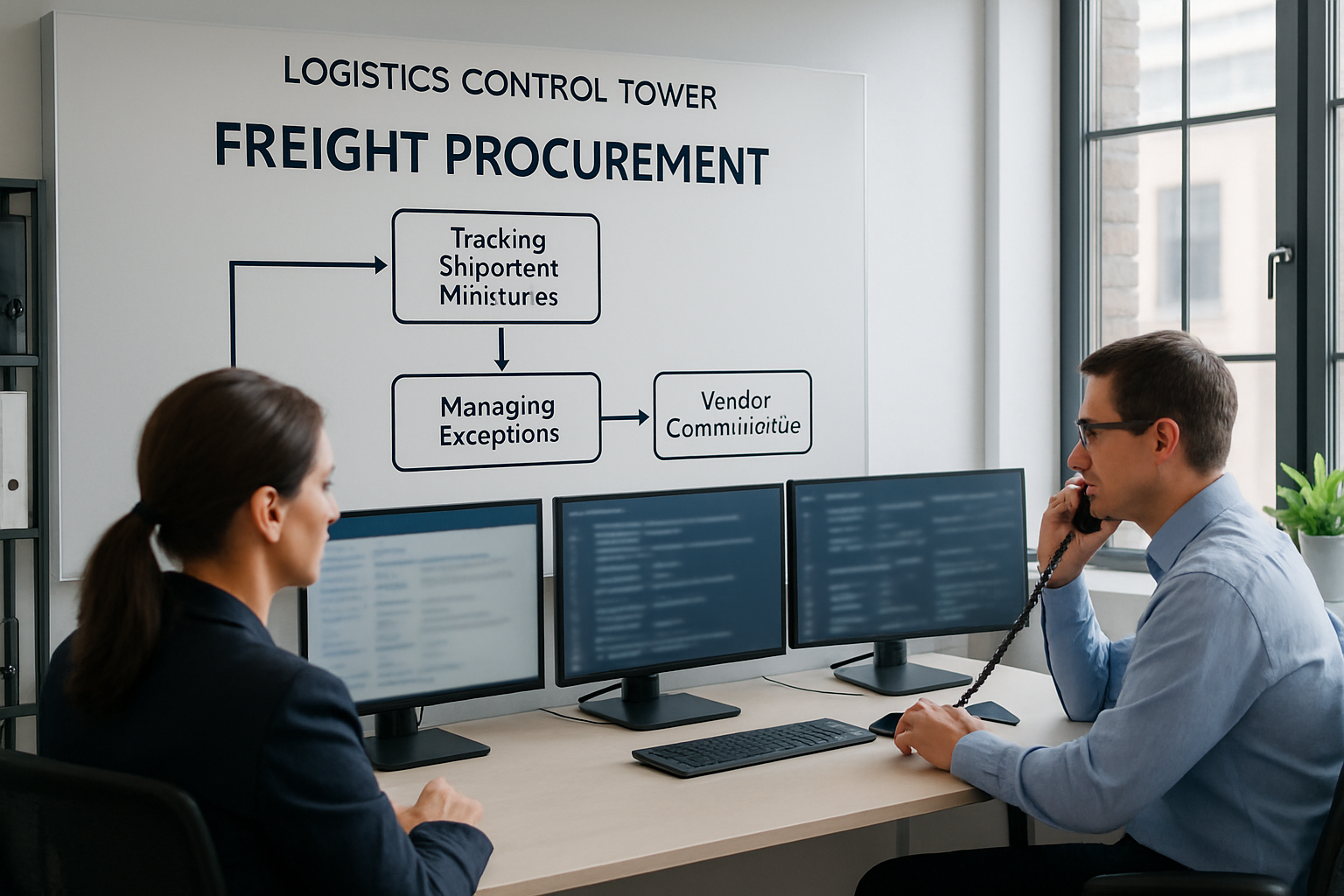
Freight forwarding software is a specialized logistics operations tool designed to streamline freight procurement, shipment tracking, and vendor coordination. Its role is crucial for freight forwarders managing complex, multi-leg shipments and customer communications. The growing need for operational clarity and visibility exposes limitations in traditional transportation management systems (TMS), revealing a choice that logistics teams must make to maintain control over compliance, cost, and exception handling.
What is freight forwarding software?
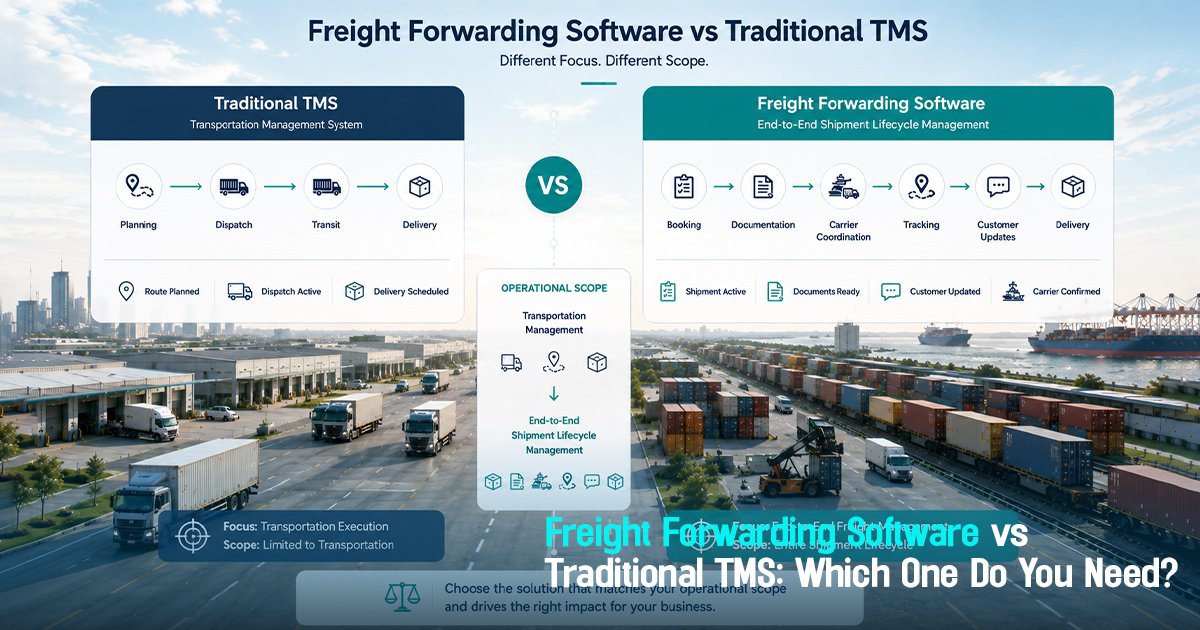
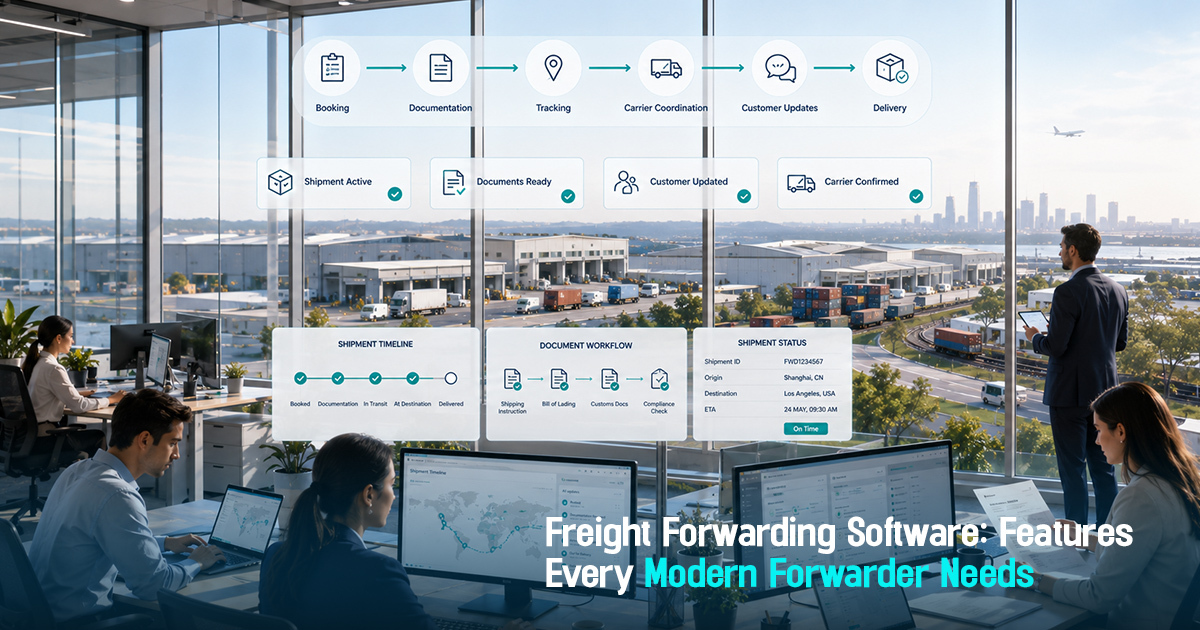
Freight forwarding software is a digital platform that integrates freight procurement, shipment visibility, documentation management, and operational workflows tailored specifically for freight forwarders and logistics providers. Unlike a traditional TMS, it focuses on end-to-end freight operations beyond transport execution.
This software supports processes such as booking management, carrier follow-up, exception handling, and vendor communication. Its operational impact lies in providing greater control over freight procurement cycles while enhancing visibility across global shipments and reducing delays due to documentation or customs compliance gaps.

Core differences between freight forwarding software and traditional TMS
Traditional transportation management systems primarily focus on freight execution, transport planning, route optimization, and carrier selection. They are optimized for shippers managing their own freight. Freight forwarding software covers broader, multi-party workflows including freight procurement, shipment documentation, customs compliance, and vendor coordination.
Where a TMS provides operational tools for planning and tracking shipments, freight forwarding software embeds exception-first workflows and centralized freight management to handle dynamic multi-leg transport needs, complex tariffs, and frequent follow-ups with carriers and customers.
Impact on logistics operations software choices
Choosing between freight forwarding software or a traditional TMS hinges on the nature of your freight management requirements and operational complexity. Freight forwarders and 3PLs will typically need software that supports procurement workflows, vendor negotiation, and enhanced shipment visibility.
In contrast, companies relying mostly on domestic or direct freight control may find a TMS sufficient for transport planning and execution, though it may lack depth in exception handling and multi-party documentation management essential for global freight.
Why freight forwarding software enhances exception management
One key advantage of freight forwarding software is its design principle around exception-first operations. This means prioritizing alerts for shipment delays, documentation issues, customs holds, and vendor communications. Traditional TMS platforms often lack the dedicated tools to handle these operational exceptions at the required granularity.
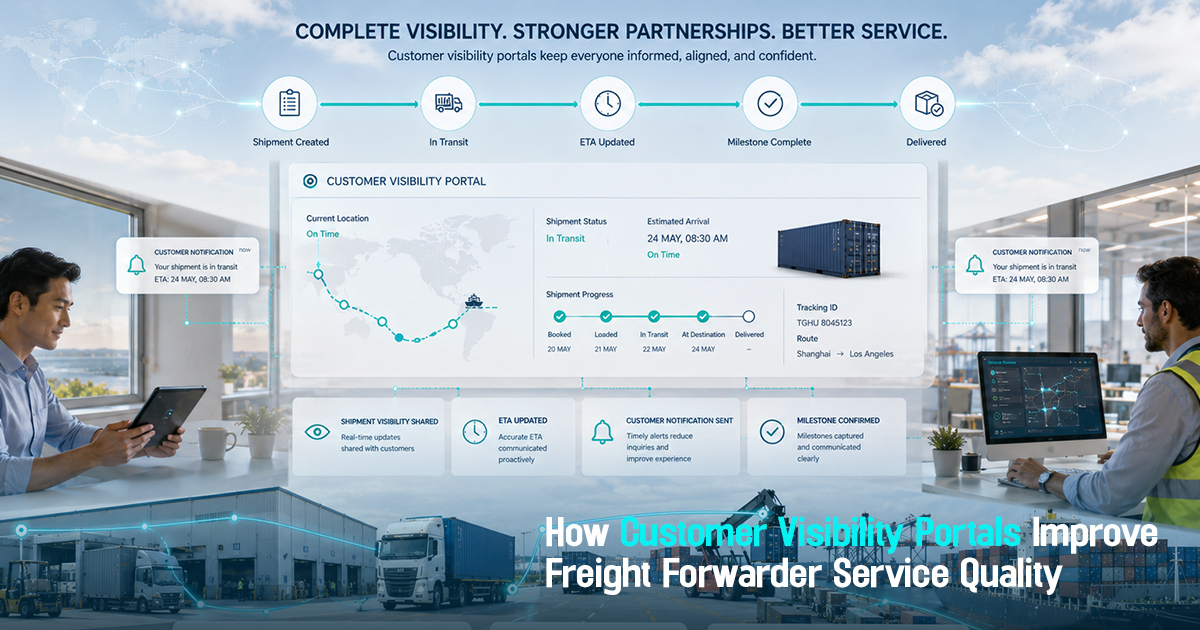
This focus improves workflows by enabling faster resolution of issues like detention and demurrage risks, reducing unplanned cost drivers and enhancing customer communication with accurate, real-time shipment status updates.
Prioritizing exception management simplifies freight operations and reduces costly delays.
Practical checklist for selecting freight forwarding software
Consider these operational capabilities when evaluating freight forwarding software to ensure it fits your logistics workflows:
- Support for multi-modal and multi-leg shipment booking across ocean, air, and land transport
- Integrated vendor and carrier communication tools enabling centralized follow-ups and audit trails
- Exception and milestone tracking with customizable alerts to proactively manage shipment disruptions
- Document management features for freight invoices, customs paperwork, and compliance checks
- Freight procurement workflows including rate requests, bidding, and contract tracking
- Transparent cost and margin reporting to control detention, demurrage, and unexpected fees
Common mistakes when switching freight management software
Underestimating the change management effort is a frequent issue when adopting new freight forwarding software. Teams struggle with adapting existing workflows or managing data migration. Lack of process alignment between carriers, vendors, and internal teams worsens implementation outcomes.
Another common pitfall is prioritizing feature bloat over operational clarity. Freight forwarding solutions should simplify decision-making and reduce follow-up tasks, not add complexity. Avoid overlooking the importance of integration capabilities with existing supply chain management software and accounting systems.
Balancing procurement efficiency with shipment visibility
Efficient freight procurement requires transparent workflows and auditability to compare vendor rates and service levels accurately. Freight forwarding software often integrates tendering processes that traditional TMS lack, producing cost savings and faster decision cycles.
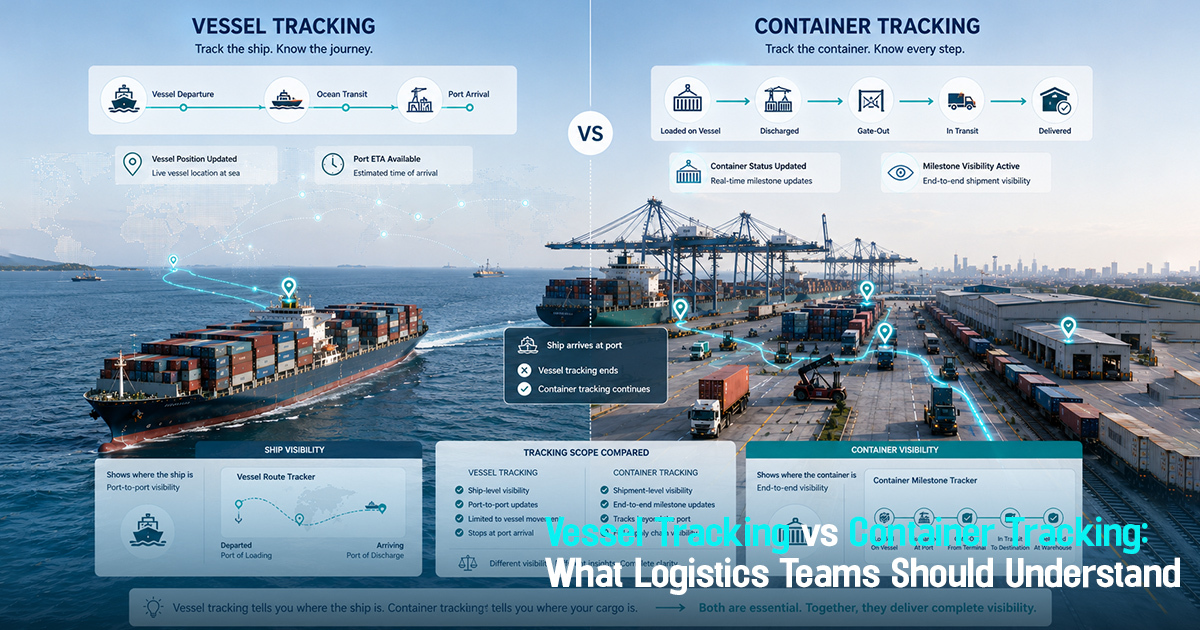
Simultaneously, robust shipment visibility features are necessary to monitor ETD, ETA, and milestones to manage exceptions actively and reduce risks like detention or demurrage. Both functions together support coordinated freight management operations.
Conclusion
Freight forwarding software and traditional transportation management systems serve distinct roles within freight operations. Selecting the right solution depends heavily on your operational model and the complexity of your freight flows. For freight forwarders and logistics providers managing global, multi-leg shipments, freight forwarding software offers deeper visibility, better exception management, and procurement control that go beyond TMS capabilities. Conversely, traditional TMS remain relevant for companies focused on domestic or direct freight planning without extensive vendor coordination. Prioritizing structured workflows, centralized communication, and auditability will reduce costly delays and compliance gaps regardless of the choice. Exploring comprehensive freight management solutions is key to aligning software with your operational needs and mitigating risks related to detention, demurrage, and documentation delays. This approach reinforces disciplined freight management and improved decision-making in today’s complex logistics environment.
Get in Touch!
We'll reach out shortly with the info you need. No spam, just a helpful conversation.
Recommended Blogs
Freightstory Technologies Private Limited
A-209, Dynasty Business Park, JB Nagar,
Andheri East, Mumbai- 400059, India


For Exporters & Importers
For Freight Forwarders
© 2026 Frayto. All Rights Reserved.