


Solutions
For Exporters & Importers

For Freight Forwarders and Logistics Service Providers
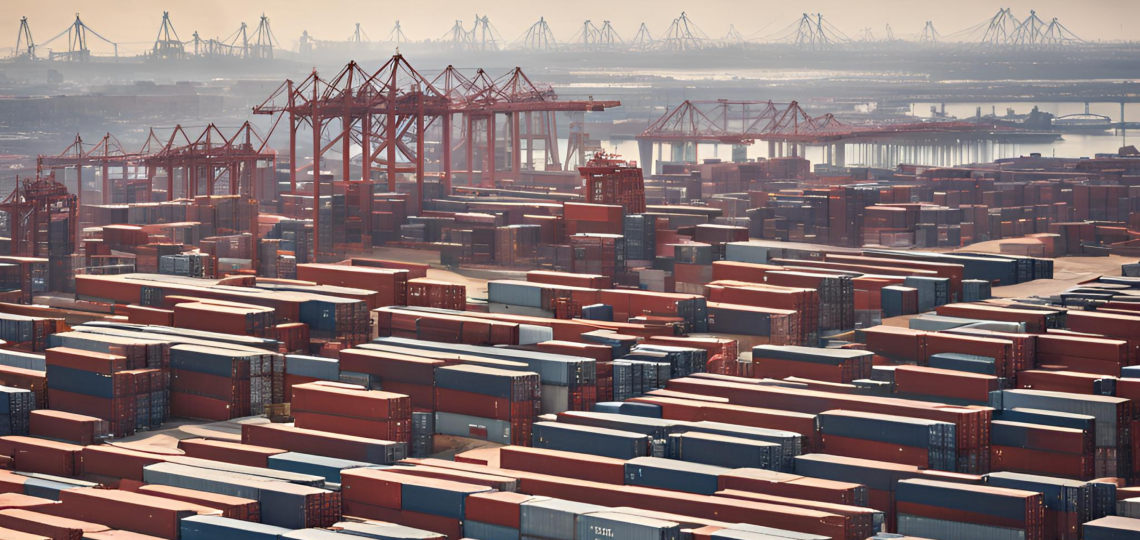
5 Major Conflicts That Could Disrupt Your Global Supply Chain


In today's interconnected world, global supply chains are more vulnerable than ever to geopolitical conflicts. Here are five major conflicts that could significantly disrupt your global supply chain, backed by facts and figures.
US-China Trade Tensions
The trade war between the United States and China has resulted in significant disruptions to global supply chains. For example, tariffs on Chinese goods have cost American importers $56.6 billion since 2018. The increased tariffs have led to a decline in US imports from China by 16% in 2019. These tensions particularly affect industries like electronics, machinery, and textiles, leading to higher costs and supply uncertainties.
Russia-Ukraine Conflict
The Russia-Ukraine conflict has major implications for energy supplies, agriculture, and metals. Europe depends on Russia for about 40% of its natural gas. In 2021, the European Union imported 155 billion cubic meters of natural gas from Russia. The conflict has caused significant disruptions, leading to energy shortages and price spikes. Ukraine is also a key exporter of grains, supplying 10% of the global wheat market. Any prolonged conflict can cause global food shortages and increased prices, impacting global food security.
Middle East Instability and Houthis Conflict
Political instability and conflicts in the Middle East, including the conflict involving the Houthis in Yemen, can have a direct impact on global oil supplies. The region holds more than 48% of the world's proven oil reserves. The Strait of Hormuz, a critical shipping chokepoint, sees about 20% of global oil trade passing through it. The Houthis have targeted oil infrastructure and shipping routes, leading to supply interruptions, increased energy prices, and higher transportation costs.
South China Sea Disputes
The South China Sea is a crucial maritime route, with approximately 30% of global maritime trade passing through it, valued at over $3.4 trillion annually. Territorial disputes in this region involve several countries and threaten these major shipping routes. An escalation could lead to blockades or military actions, severely disrupting maritime trade and increasing shipping costs.
Israel and Regional Tensions
The ongoing conflict between Israel and its neighbors, including periodic escalations with Hamas and Hezbollah, as well as tensions with Iran, can disrupt regional stability. Israel is a key player in the technology and defense sectors. Regional tensions can lead to disruptions in the supply of high-tech components, cybersecurity services, and defense-related products. Additionally, broader Middle East instability can impact global oil supplies and transportation routes.
Conclusion
These conflicts highlight the importance of risk management and the need for businesses to develop resilient supply chain strategies. Staying informed and prepared can help mitigate these risks. For more insights and solutions on managing supply chain risks.
Understanding these geopolitical threats and their potential impact on your supply chain can help you develop strategies to navigate these challenges effectively. Stay proactive, stay informed, and ensure your business remains resilient in the face of global uncertainties.

Tariffs on Chinese goods have cost American importers $56.6 billion since 2018.
USD 3.4 trillion or 30% of global trade passes through South China Sea.
Get in Touch!
We'll reach out shortly with the info you need. No spam, just a helpful conversation.
Recommended Blogs
Freightstory Technologies Private Limited
A-209, Dynasty Business Park, JB Nagar,
Andheri East, Mumbai- 400059, India


For Exporters & Importers
For Freight Forwarders
© 2026 Frayto. All Rights Reserved.