


Solutions
For Exporters & Importers

For Freight Forwarders and Logistics Service Providers

How to Reduce Chaos in High-Volume Shipment Environments


4 Minutes
Managing high-volume shipment management involves handling large quantities of freight efficiently without compromising visibility, compliance, or delivery timelines. Operationally, this matters because high-volume environments intensify risks like shipment delays, documentation errors, and coordination breakdowns. The challenge lies in implementing structured processes that keep volume freight handling predictable and manageable.
What is high-volume shipment management?
High-volume shipment management refers to logistics workflows focused on efficiently coordinating and tracking large quantities of freight moving through multiple touchpoints. It is essential for maintaining operational clarity amid growing shipment volumes.
This process includes shipment scheduling, transport coordination, cargo sorting, documentation management, and exception handling tailored to high frequency and volume. Efficient management reduces bottlenecks and ensures timely execution across complex supply chains.

Key challenges in high-volume shipment environments
Handling large freight volumes amplifies issues like delays from poor scheduling, miscommunication with vendors, and freight documentation errors. Shipment visibility gaps and follow-up delays increase the risk of demurrage and detention costs, while lack of coordination strains operational teams.
Without clear workflows, teams face difficulties in managing exceptions and maintaining compliance checkpoints, making it harder to control costs and deliver consistent service. Such environments demand rigorous control and proactive problem-solving approaches.
Optimizing shipment workflow for volume freight handling
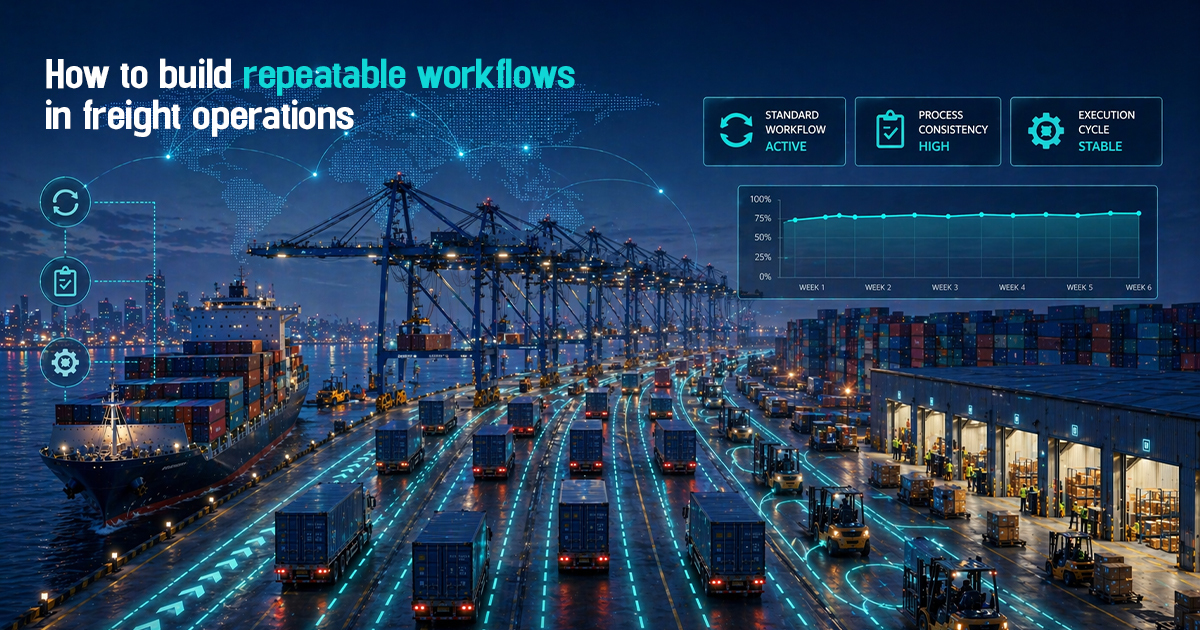
Streamlined shipment workflows are critical to eliminate bottlenecks and maintain throughput. Proper cargo sorting techniques and synchronized shipment scheduling enable better resource allocation and transport coordination.
Integrating automation wherever possible minimizes manual errors and accelerates processes such as documentation validation and carrier follow-ups. This creates a foundation for scalable, high-volume operations supported by consistent data visibility and control.
Structured shipment scheduling best practices
Effective shipment scheduling in high-volume settings involves grouping consignments by priority, destination, and transport mode. Batch scheduling reduces congestion points and optimizes warehouse throughput.
Advanced scheduling also incorporates buffer times for customs and compliance checks, lowering detention risks. Teams should adopt visible scheduling tools that facilitate real-time adjustments and carrier coordination.
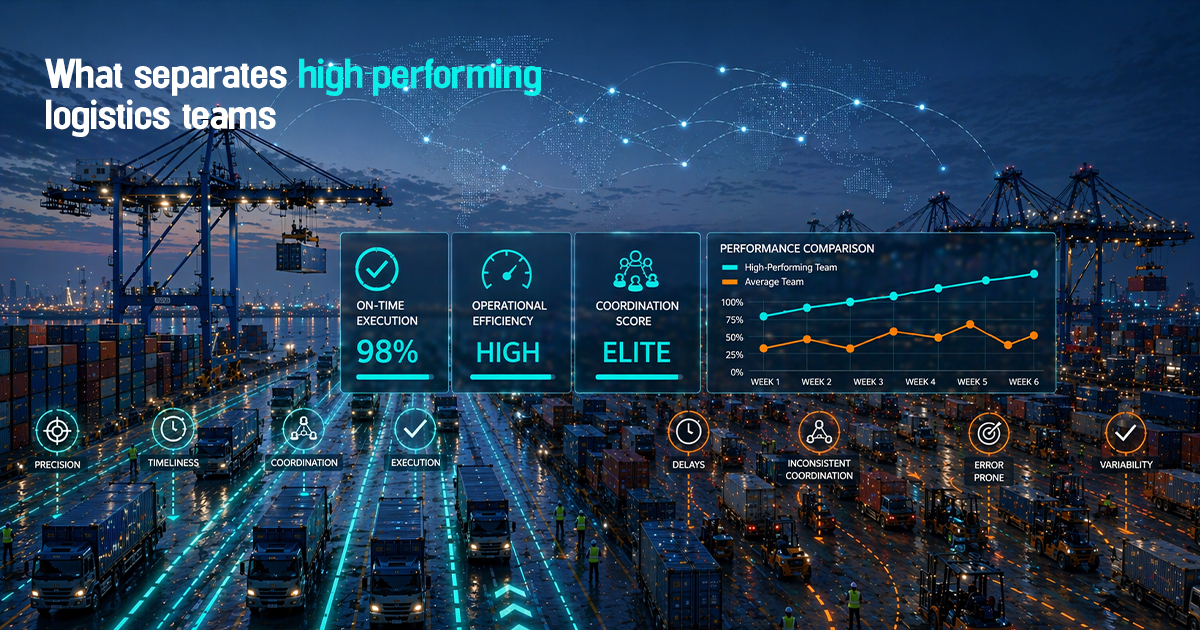
Clear processes and real-time visibility prevent chaos in high-volume shipment environments.
Practical checklist
To reduce chaos in high-volume shipment management, logistics teams should focus on the following:
- Standardize shipment workflow optimization with clear process maps
- Implement logistics process automation for repetitive tasks such as document handling
- Maintain continuous shipment visibility with real-time tracking and alerts
- Adopt structured cargo sorting techniques at origin and destination points
- Use transport coordination strategies that prioritize efficient route planning and vendor communication
- Schedule shipments using batch and priority-based approaches to manage warehouse capacity
- Ensure compliance through regular documentation audits and exception-first handling
Common mistakes in high-volume shipment management
One frequent error is relying excessively on manual processes that cannot scale with shipment volume, leading to errors and delays. Lack of visibility into shipment status causes reactive operations, increasing costs like detention and demurrage.
Another is poor vendor coordination and insufficient documentation controls, which create compliance gaps and disrupt freight procurement cycles. Skipping the use of structured scheduling tools also contributes to inefficient volume freight handling and congestion.
Leveraging automation to improve warehouse throughput
Logistics process automation enhances throughput by speeding up cargo handling and reducing human error in routine tasks such as manifest checking and shipment status updates. Automating workflows connects warehouse operations with transport scheduling.
This enables a seamless flow from cargo sorting to dispatch, improving accuracy and reducing idle times. Automation further allows logistics teams to focus on exception management and critical decision-making.
Coordinating transport for consistent delivery
Managing transport in high-volume shipment environments requires clear transport coordination strategies that align carrier capacity with shipment schedules. Effective communication protocols with vendors and carriers mitigate risks associated with shipment delays and capacity constraints.
Maintaining a centralized tracking system supports real-time visibility and expedites exception handling, ensuring shipments move fluidly through the supply chain without bottlenecks.

Conclusion
Reducing chaos in high-volume shipment management hinges on adopting structured workflows, enhanced visibility, and automation focused on critical process handoffs like cargo sorting, documentation, and transport coordination. Teams must prioritize proactive scheduling and robust exception handling to prevent common disruptions that escalate costs and delay shipments. By integrating these operational disciplines, organizations can sustainably scale freight operations while maintaining compliance and control. Visibility-first approaches paired with coordinated vendor communication and a disciplined booking flow form the backbone of resilient high-volume logistics execution. For complex shipment environments, it is equally important to evaluate procurement cycles and bidding workflows to ensure rate discoverability and auditability, helping control freight cost without compromising service levels. This practical blend of process rigor and technology application empowers freight forwarders and logistics teams to manage volume freight handling with clarity and confidence.
References: unctad.org, drewry.co.uk, fiata.com
Get in Touch!
We'll reach out shortly with the info you need. No spam, just a helpful conversation.
Recommended Blogs

Freightstory Technologies Private Limited
A-209, Dynasty Business Park, JB Nagar,
Andheri East, Mumbai- 400059, India


For Exporters & Importers
For Freight Forwarders
© 2026 Frayto. All Rights Reserved.