


Solutions
For Exporters & Importers

For Freight Forwarders and Logistics Service Providers
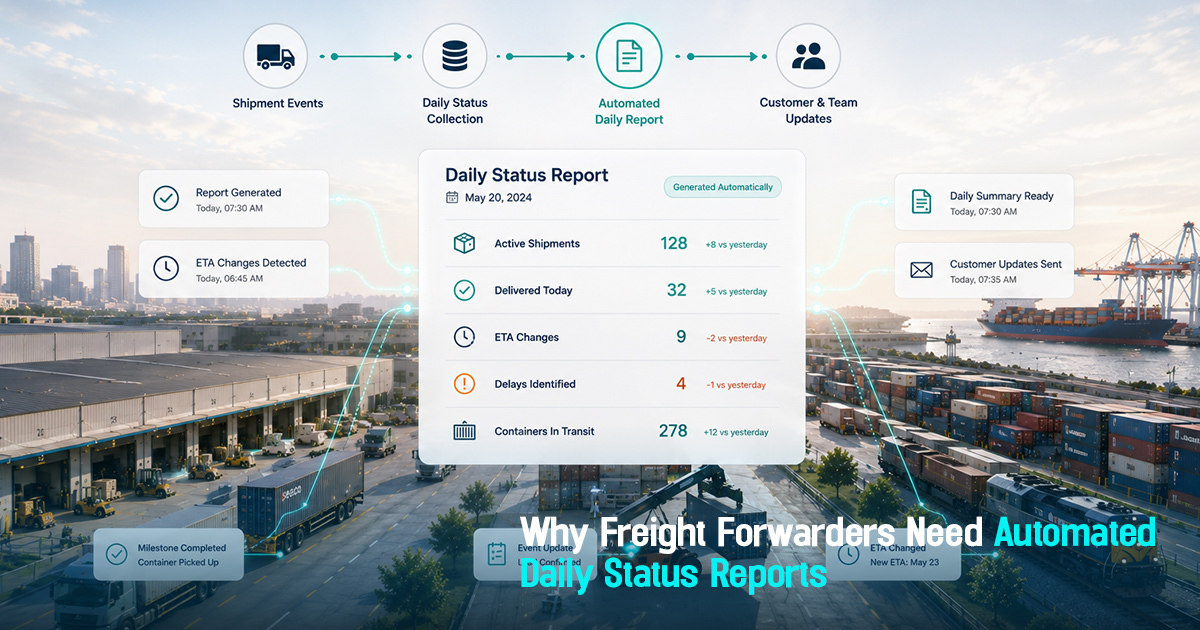
Why Freight Forwarders Need Automated Freight Status Reports


4 Minutes
Automated freight status reports are structured updates generated by digital systems to provide timely, consistent information on shipment progress and exceptions. For freight forwarders, these reports matter operationally because they directly impact the accuracy of shipment tracking, speed of issue resolution, and communication efficiency with stakeholders. Without automation, maintaining consistent daily freight status updates is manual, error-prone, and delays decision-making, which increases risks such as demurrage, missed delivery windows, and customer dissatisfaction.
What Are Automated Freight Status Reports?
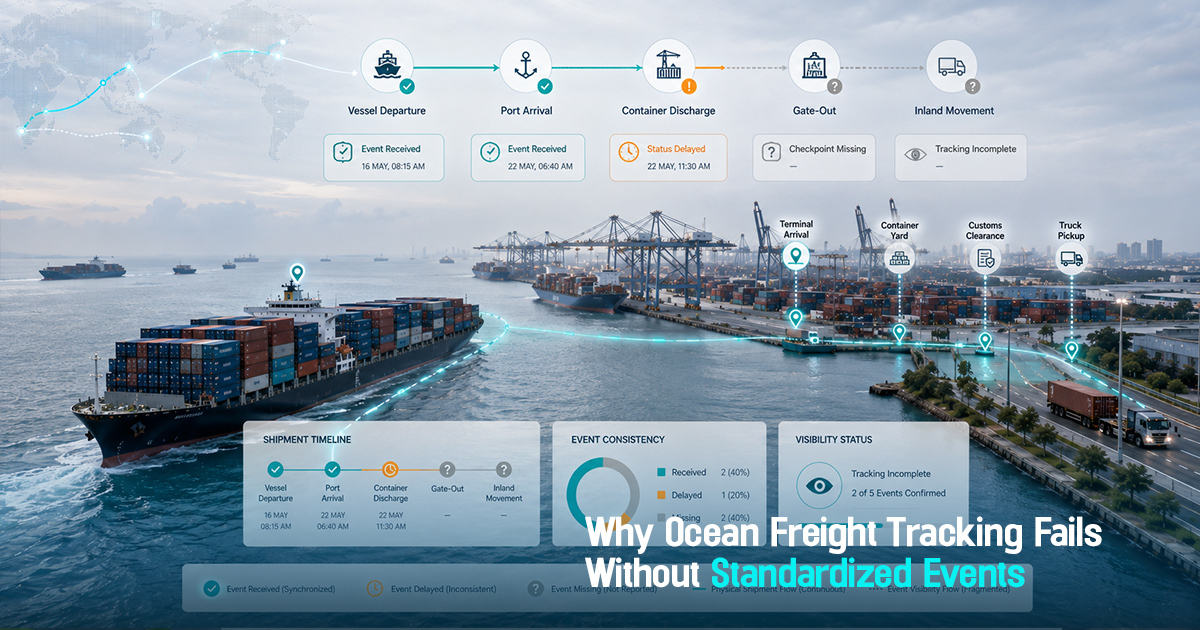
Automated freight status reports deliver regular, real-time shipment updates directly from transportation management systems or shipment tracking tools. These reports typically cover key milestones such as container loading, departure, arrival, customs clearance, or exceptions.
By integrating data streams from carriers, customs, and internal operations, freight forwarders gain consistent visibility into shipment status without relying on manual information gathering or phone follow-ups. This reduces errors and ensures all stakeholders receive synchronized updates.
Why Automation Matters in Freight Status Communication
Manual status reporting introduces delays and risks missed or inconsistent updates, which negatively affect logistics operations visibility and customer trust. Automating daily freight status updates enforces a disciplined workflow that reduces the manual burden on staff and improves accuracy.
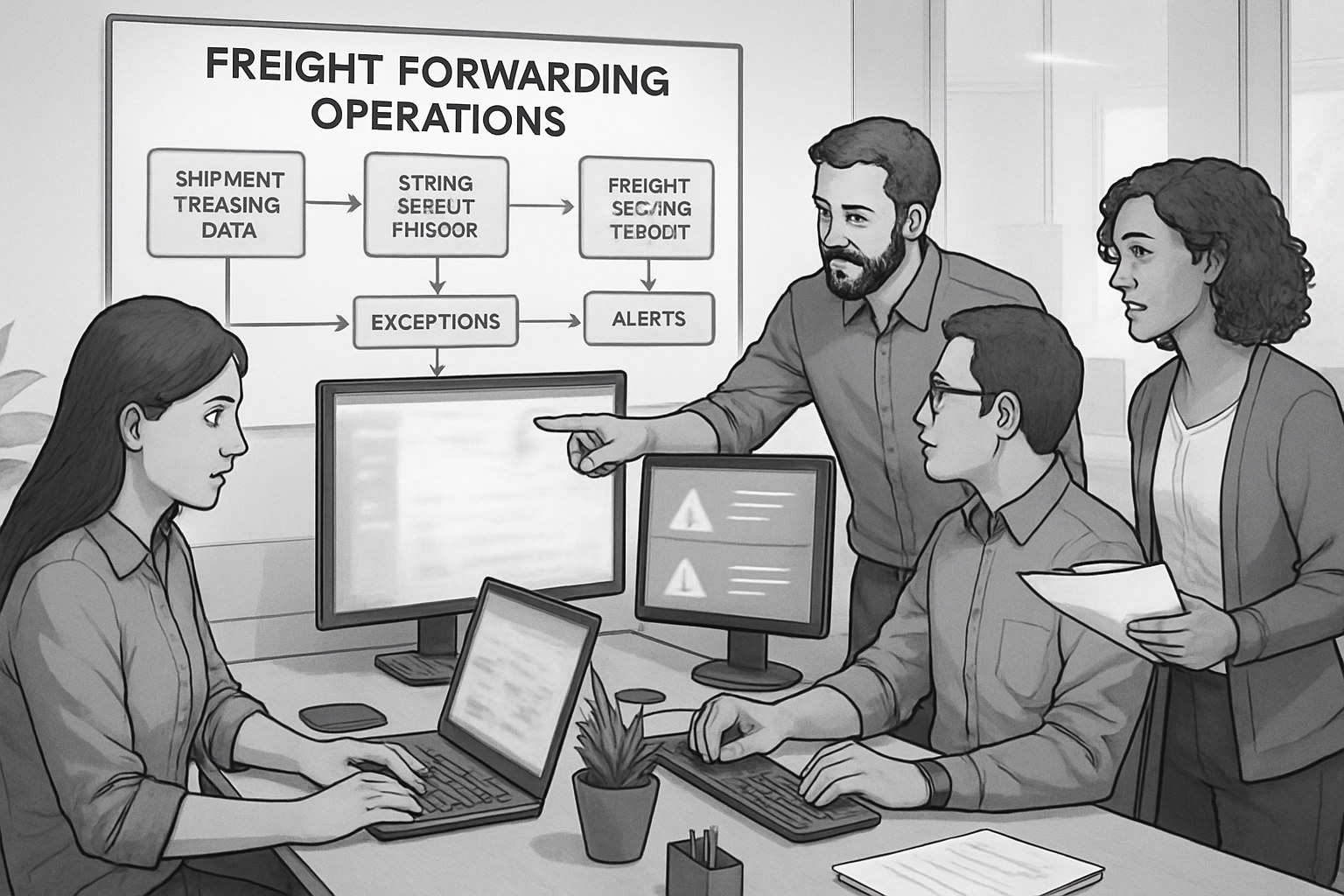
In practice, automation enables forwarders to systematically track shipment milestones and exceptions, trigger alerts, and compile reports without rekeying data. This supports proactive exception management and faster stakeholder communication, preventing costly downstream disruptions.

Key Benefits of Automated Daily Freight Status Reports
Improved operational clarity comes from standardized, up-to-date shipment information available to teams in real time. Decision-making speed improves because issues are identified sooner and communicated promptly.
Automation also helps reduce compliance risks by ensuring documentation milestones and customs checkpoints are visible and auditable. Additionally, it lowers costs by minimizing detention and demurrage through better timing control and follow-up.
Common Challenges Addressed by Reporting Automation
Tracking gaps and data silos often cause incomplete or outdated shipment status information. Coordination breakdowns between carriers, vendors, and customers further complicate status communication.
Automated freight status reports consolidate data from multiple sources, eliminating silos and enabling a single source of truth. This streamlines vendor coordination and reduces repetitive follow-up emails and calls in day-to-day freight forwarding workflows.
Automated status reports turn data into actionable insights that enhance shipment control and reduce disruptions.
Practical checklist
Implementing automated daily freight status reports effectively involves several key steps to ensure operational success and visibility gains:
- Integrate data sources: Connect carriers, customs, warehouse systems, and TMS to central reporting tools.
- Define milestone triggers: Identify key shipment events to automate status updates (e.g., loading, departure, arrival, clearance).
- Configure report frequency: Set daily or real-time dispatch based on customer and operational needs.
- Establish exception alerts: Set automated flags for delays, documentation errors, or deviations.
- Train teams: Ensure operational staff understand workflow automation and monitoring protocols.
- Monitor and refine: Regularly review reports for accuracy, completeness, and relevance.
Common mistakes
Underestimating data quality hinders the effectiveness of automated reports. Relying on incomplete or manual data entry causes misinformation and trust erosion.
Skipping stakeholder alignment on reporting formats and frequency leads to unnecessary follow-up clarifications. Additionally, not setting up exception handling workflows undermines the operational benefits of automation.
Integrating Automated Reporting with Shipment Tracking Tools
Automated freight status reports work best when combined with shipment tracking tools that provide real-time container and cargo location data. This integration creates a seamless, end-to-end logistics operations visibility solution.
Forwarders using systems that link live tracking with automated reporting reduce manual status queries and increase customer confidence. Practical workflows include pairing real-time shipment tracking with automated reporting to immediately escalate issues and avoid costly detention or demurrage.
Conclusion
Automated freight status reports provide critical visibility and control essential for freight forwarders managing complex shipment operations. By delivering consistent, accurate daily updates, these reports support proactive exception handling and minimize costly disruptions such as demurrage, delays, and compliance gaps. Implementing these reports as part of an integrated freight forwarding workflow automation allows teams to reduce manual effort, improve coordination with carriers and vendors, and enhance communication with customers. Emphasizing structured processes, disciplined data management, and timely follow-ups ensures freight forwarders can maintain operational clarity and customer trust in increasingly complex global logistics environments. For more insight into real-time shipment tracking with automated updates, freight forwarders can explore solutions that combine tracking visibility with reporting automation to build streamlined, exception-first operations. Reliable status reporting is no longer optional but a core enabler of competitive, efficient freight management in today’s market.
References: FIATA, International Maritime Organization, U.S. Customs and Border Protection
Get in Touch!
We'll reach out shortly with the info you need. No spam, just a helpful conversation.
Recommended Blogs
Freightstory Technologies Private Limited
A-209, Dynasty Business Park, JB Nagar,
Andheri East, Mumbai- 400059, India


For Exporters & Importers
For Freight Forwarders
© 2026 Frayto. All Rights Reserved.