


Solutions
For Exporters & Importers

For Freight Forwarders and Logistics Service Providers
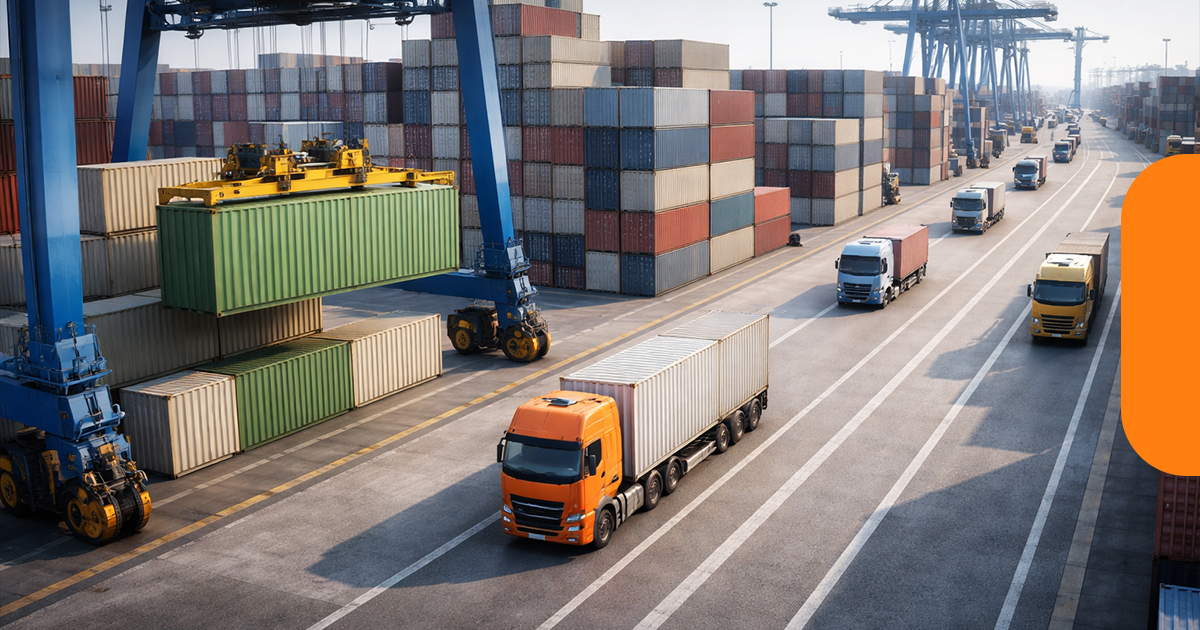
Freight Execution KPIs: Measuring Time-to-Detect and Time-to-Resolve for Global Shipment Visibility


4 Minutes
In global freight execution, key performance indicators (KPIs) like time-to-detect and time-to-resolve shipment issues directly affect operational efficiency and cost control. Freight execution KPIs serve as measurable signals that help freight forwarders, supply chain managers, and operations teams pinpoint delays, respond promptly to exceptions, and reduce the risk of cascading disruptions. Understanding these KPIs ensures better visibility into freight operations and supports structured workflows designed to limit detention, demurrage, and customer dissatisfaction.
What Are Freight Execution KPIs?
Freight execution KPIs are quantifiable metrics that track the progress, responsiveness, and effectiveness of global freight operations. These KPIs focus on detecting issues early and resolving them promptly to maintain shipment flow and control costs.
Common freight execution KPIs include time-to-detect shipment delays, time-to-resolve exceptions, on-time departure and arrival percentages, and freight cost variances. These metrics enable freight-forwarders and logistics teams to monitor and improve shipment exception management and exception handling workflows.

Why Time-to-Detect Matters in Freight Operations
Time-to-detect freight issues measures how quickly operations teams identify disruptions such as customs delays, carrier schedule changes, or shipment misrouting. Reducing this time is vital because delayed issue detection typically translates into stretched resolution timelines and increased costs.
A proactive time-to-detect KPI leads to faster decision-making and corrective actions, which decreases the chances of detention and demurrage charges and maintains customer trust. Integrating automated freight execution visibility tools enhances early detection by triggering alerts on anomalies or deviation from planned milestones.
Understanding Time-to-Resolve in Shipment Exception Management
Time-to-resolve shipment delays tracks how long it takes from issue detection to final resolution, such as releasing a container from customs or rerouting delayed freight. This KPI indicates operational agility and the effectiveness of vendor coordination and internal communication.
A shorter time-to-resolve is associated with reduced demurrage fees, improved supplier relationships, and higher on-time delivery rates. Structured workflows and clear roles in escalation and follow-up ensure that exceptions are managed systematically rather than reactively, improving overall freight responsiveness and operational stability.
Practical checklist
To effectively monitor and improve freight execution KPIs like time-to-detect and time-to-resolve, freight teams should follow these practical steps:
- Establish clear milestone tracking: Define critical shipment checkpoints and expected timelines.
- Implement automated alerts: Use software to notify teams immediately when deviations occur.
- Standardize issue reporting: Ensure any delay or exception is logged with exact detection timestamps.
- Assign escalation responsibilities: Define who handles issue follow-ups and resolution steps.
- Monitor resolution progress: Track time spent on each exception until closure and analyze bottlenecks.
Early detection and swift resolution of freight issues are key to controlling operational costs and delays.
Common mistakes
Many logistics teams struggle with delayed issue detection due to fragmented visibility and manual tracking processes. This often results in slow response times and costly operational disruptions.
Another frequent error is inconsistent documentation of exceptions, which hinders root cause analysis and continuous improvement. Without a standardized resolution workflow, teams may duplicate efforts or overlook critical follow-ups, increasing demurrage and customer dissatisfaction risks.
Integrating Visibility and Exception Management for KPI Improvement
Combining freight operation visibility with structured exception management workflows provides operations teams with both early warnings and clear action paths. This synergy reduces time-to-detect by automating milestone monitoring and cuts time-to-resolve through prescribed remediation steps.
Modern platforms that enable real-time freight tracking and visibility with Instatrac and centralized communication channels support these efforts, creating audit trails and facilitating faster decision-making across geographic boundaries and multiple vendors.
Choosing KPIs: Time-to-Detect vs Time-to-Resolve
Time-to-detect is an upstream KPI focusing on early issue awareness, while time-to-resolve assesses downstream execution efficiency. Both are critical but serve different purposes in freight performance monitoring.
Operations teams often prioritize reducing time-to-detect to prevent delays from escalating; however, long resolution times can still erode customer commitments even with quick detection. A balanced approach measuring and improving both KPIs ensures comprehensive freight control and supports continuous process improvement.

Conclusion
Freight execution KPIs like time-to-detect and time-to-resolve are foundational metrics that give freight forwarders and logistics teams practical insight into operational responsiveness and control. Focusing on these KPIs enhances exception handling workflows and reduces costly delays, promoting stronger vendor coordination and better customer satisfaction. For teams operating in complex global environments, establishing standardized measurement and follow-up procedures for these KPIs creates a reliable feedback loop that supports ongoing efficiency improvements. Incorporating real-time tracking tools and fostering a culture of early detection with structured resolution paths will help tackle the operational challenges of today’s supply chains. Ultimately, continuous monitoring and disciplined action on these KPIs provide the clarity and agility necessary for successful global freight execution.
Get in Touch!
We'll reach out shortly with the info you need. No spam, just a helpful conversation.
Recommended Blogs


Freightstory Technologies Private Limited
A-209, Dynasty Business Park, JB Nagar,
Andheri East, Mumbai- 400059, India


For Exporters & Importers
For Freight Forwarders
© 2026 Frayto. All Rights Reserved.