


Solutions
For Exporters & Importers

For Freight Forwarders and Logistics Service Providers
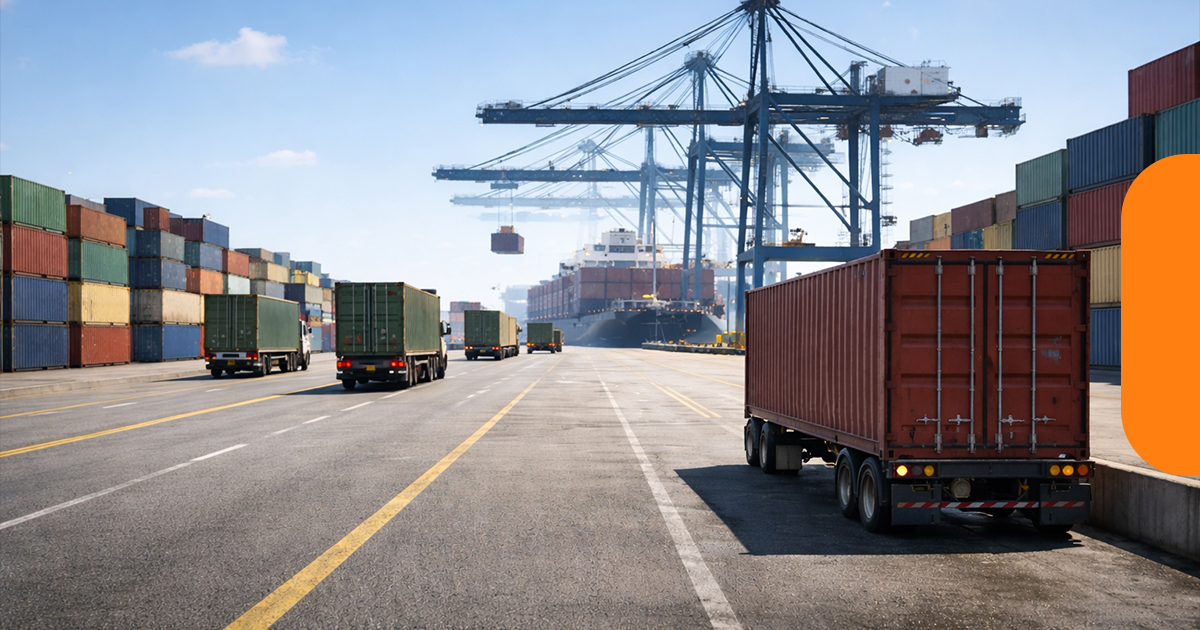
Exception-First Freight Forwarding Operations: How to Cut Follow-Ups Without Hiring


4 Minutes
Freight forwarders often assume that reducing costly follow-ups requires adding staff or new communication layers. In reality, the core challenge is how exception-first freight forwarding operations can transform the process by focusing efforts only on shipments that deviate from plan. This approach prevents wasted time on routine cases and ensures faster issue resolution without increasing headcount.
What Are Exception-First Freight Forwarding Operations?
Exception-first freight forwarding operations prioritize identifying and handling shipments that fall outside standard parameters or expected timelines. Rather than manually chasing every shipment update, teams implement automated alerts and exception workflows that highlight where immediate attention is necessary.
By emphasizing exceptions, freight forwarders can streamline daily operations, reduce operational noise, and focus resources on true bottlenecks. This strategy improves responsiveness and reduces the need for repetitive status calls.
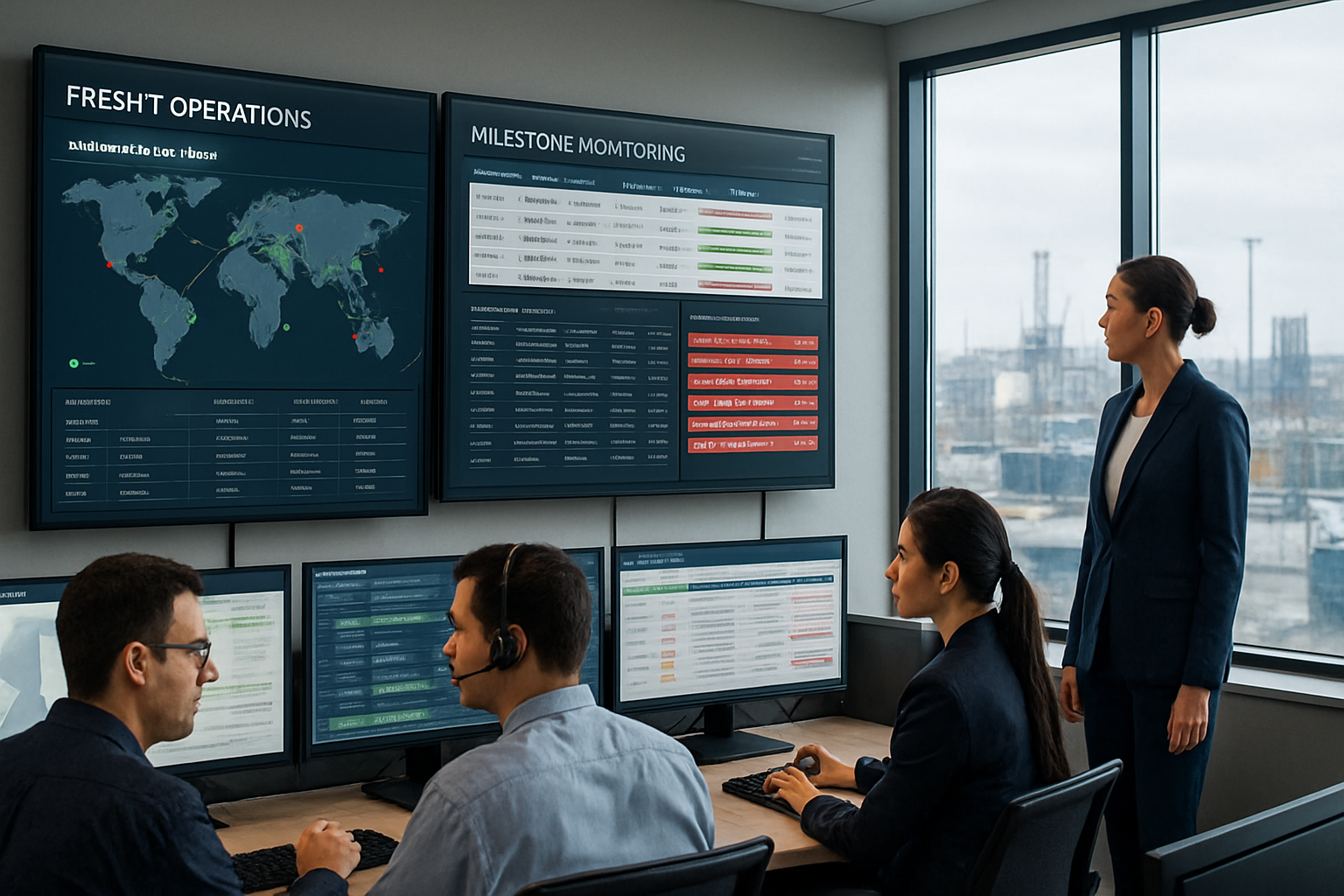
Why Follow-Up Reduction Matters in Freight Forwarding
In freight forwarding, inefficient communication often leads to duplicated effort across teams, carriers, and customers. Unstructured follow-ups create operational delays and hide critical exceptions behind routine updates. This increases administrative overhead and delays problem resolution.
Reducing follow-ups impacts workflow efficiency directly by eliminating churn and freeing manpower for higher-value tasks. It also reduces risk by ensuring exceptions—like document delays or transit discrepancies—are flagged immediately rather than discovered late.
Core Components of an Exception-First Workflow
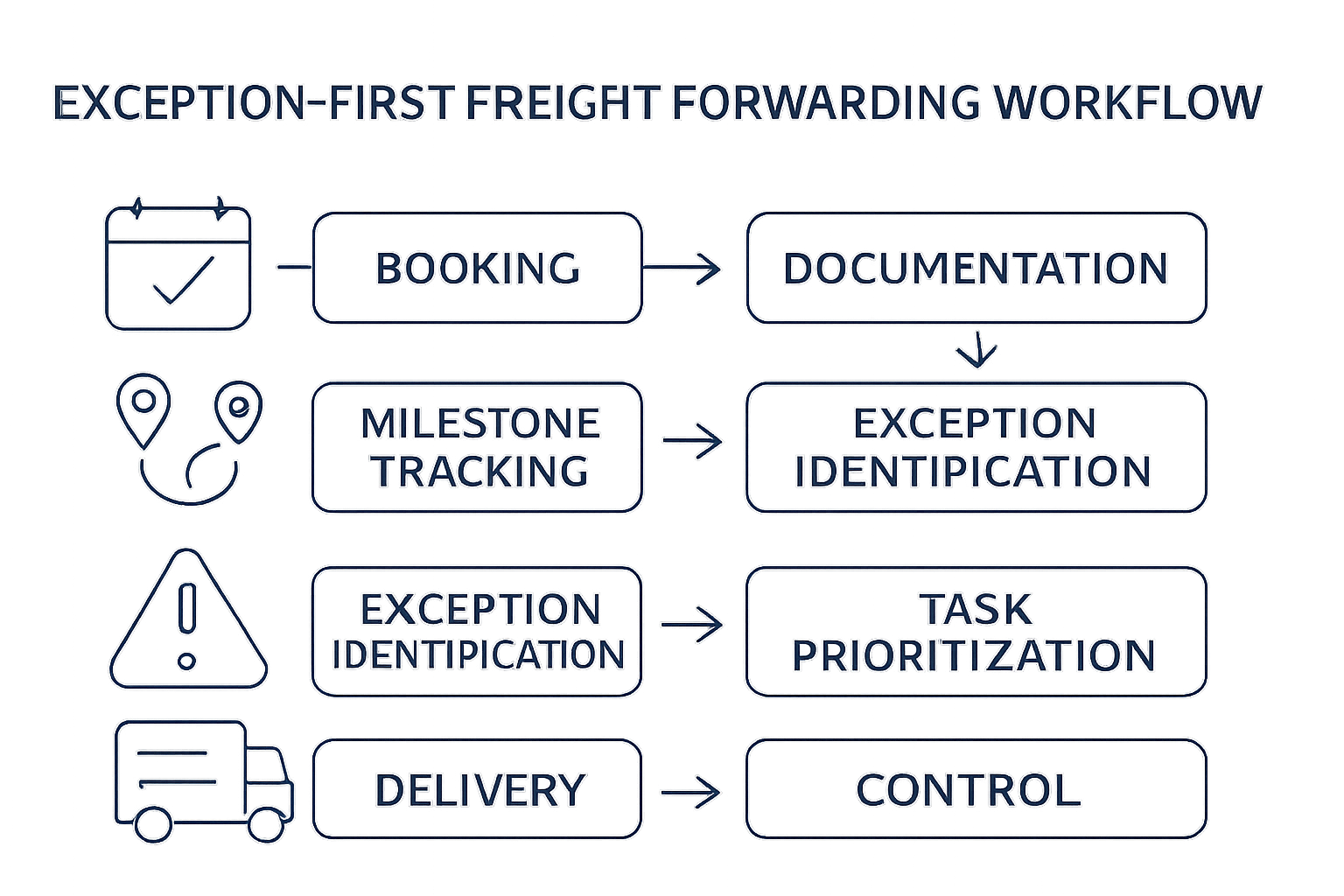
Effective exception management requires structured visibility into shipment milestones and predefined thresholds for alerts. Key workflow steps include real-time milestone tracking, automated exception notifications, prioritized task lists, and centralized communication.
Integrating these elements enables teams to systematically focus on shipments that need intervention, avoiding distraction by routine progress updates. This exception-led focus drives faster operational decisions and reduces redundant communication.
How Automation Supports Exception-First Operations
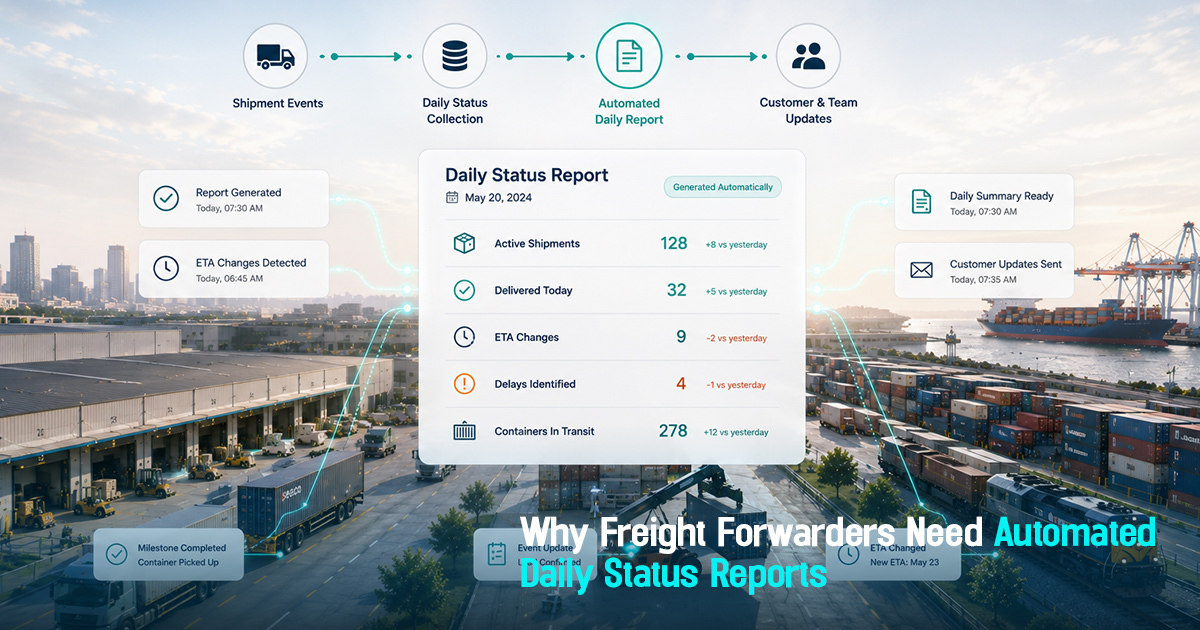
Automation plays a crucial role in exception-first freight forwarding operations by enabling automatic status monitoring and alert generation. This substitutes manual follow-ups with system-driven triggers, improving accuracy and timeliness.
Automated communication tools reduce dependency on human intervention for updates and speed up resolution of exceptions such as documentation gaps, shipment delays, or carrier violations.
Focusing only on shipment exceptions frees up operations teams to resolve issues faster and cut repetitive follow-ups.
Practical checklist
Implement clear milestone definitions and monitoring points across your freight forwarding process to detect deviations early.
Set automated alerts for common exceptions such as document missing, ETA changes, or customs delays to trigger immediate action.
Centralize communication channels so all stakeholders see the same exception data and status updates in real time.
Prioritize exception tasks daily instead of chasing routine shipment follow-ups.
Regularly review and refine exception criteria to balance alert volume and operational efficiency.
Common mistakes
Relying solely on manual follow-ups without exception filters creates information overload and slow responses. Many teams fail to define clear exception thresholds causing either too many false alerts or missed issues.
Poor integration between tracking systems and communication tools results in fragmented visibility and duplicated efforts chasing basic status updates.
Ignoring training or change management around exception-first operations reduces adoption and diminishes potential gains in operational efficiency and cost.
Implementing Exception-First Freight Forwarding Without Extra Headcount
Streamlining focus to exceptions lets existing teams handle higher volumes without additional hires. By automating routine status updates and reducing redundant follow-ups, staff can concentrate on problem resolution and customer communication.
Leveraging structured workflows and centralized visibility prevents missed exceptions and costly errors like detention or demurrage fees stemming from delayed responses.
Integration with Procurement and Vendor Coordination
Exception-first operations extend to freight procurement and vendor management workflows. Clear, automated exception signals help teams address rate discrepancies, booking delays, or compliance lapses early. Using automated freight procurement solutions that embed exception management streamlines vendor communication and audit trails.
Coordinated exception handling across procurement and operations leads to cost control and improved supplier reliability.
Conclusion
Adopting exception-first freight forwarding operations addresses the persistent issue of excessive follow-ups by focusing effort only where disruptions occur. This strategic shift enables logistics teams to operate with greater clarity and efficiency, without adding headcount or complexity. By building automated, structured workflows and centralized visibility, freight forwarders reduce operational friction, improve exception resolution times, and control costs related to delays, detention, and documentation errors. The resulting streamlined communication and prioritization significantly enhance decision-making and daily execution, strengthening the entire freight forwarding process. For detailed guidance, industry standards, and global freight regulations reference organizations like the International Federation of Freight Forwarders Associations (FIATA) and U.S. Customs and Border Protection (CBP).
Get in Touch!
We'll reach out shortly with the info you need. No spam, just a helpful conversation.
Recommended Blogs
Freightstory Technologies Private Limited
A-209, Dynasty Business Park, JB Nagar,
Andheri East, Mumbai- 400059, India


For Exporters & Importers
For Freight Forwarders
© 2026 Frayto. All Rights Reserved.